Last updated November 23, 2026
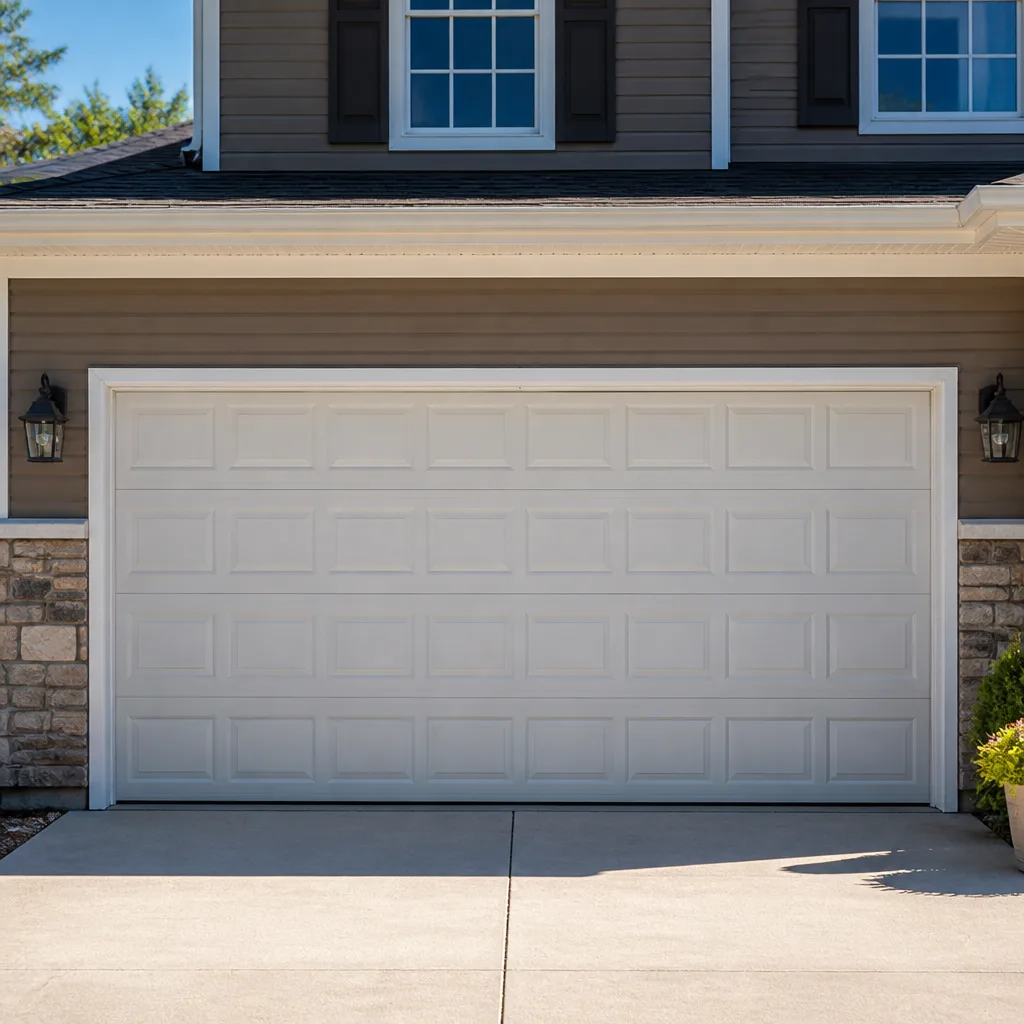 Raised-panel steel
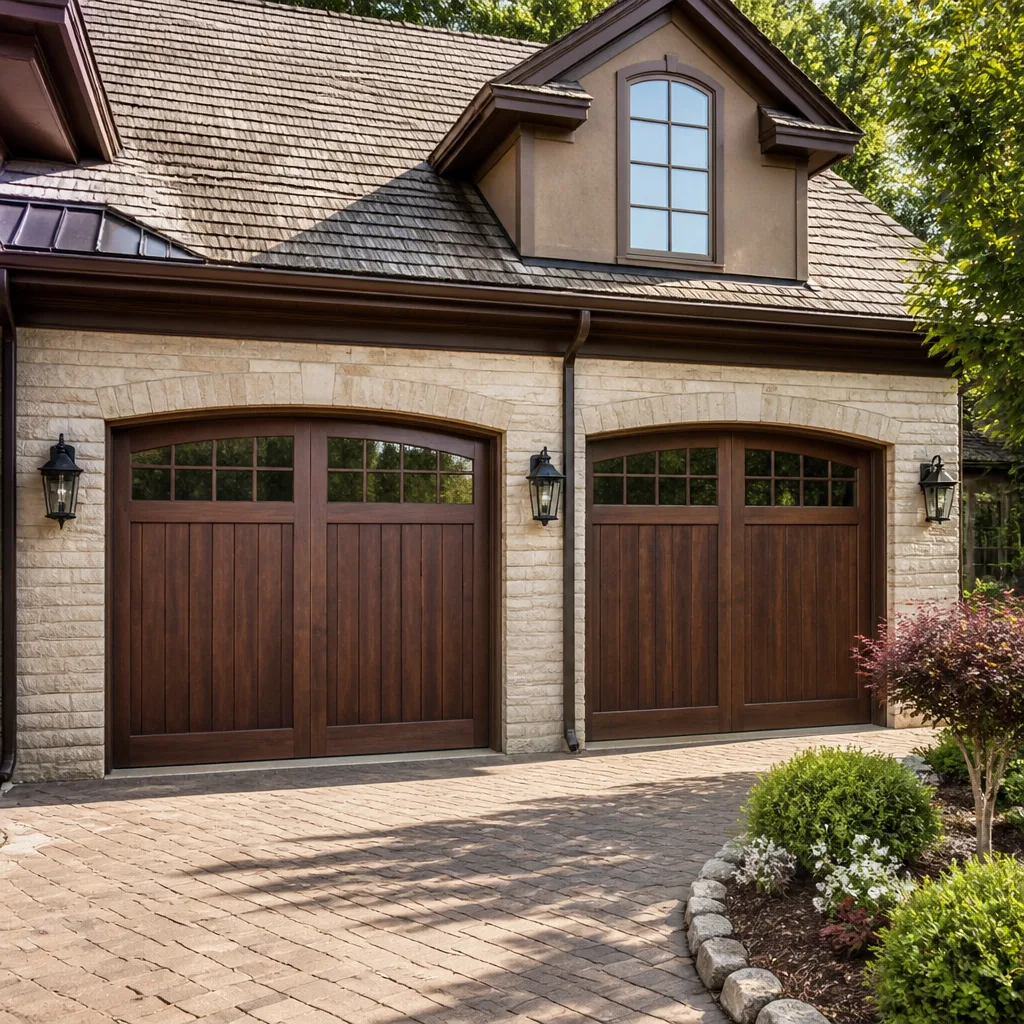 Carriage house
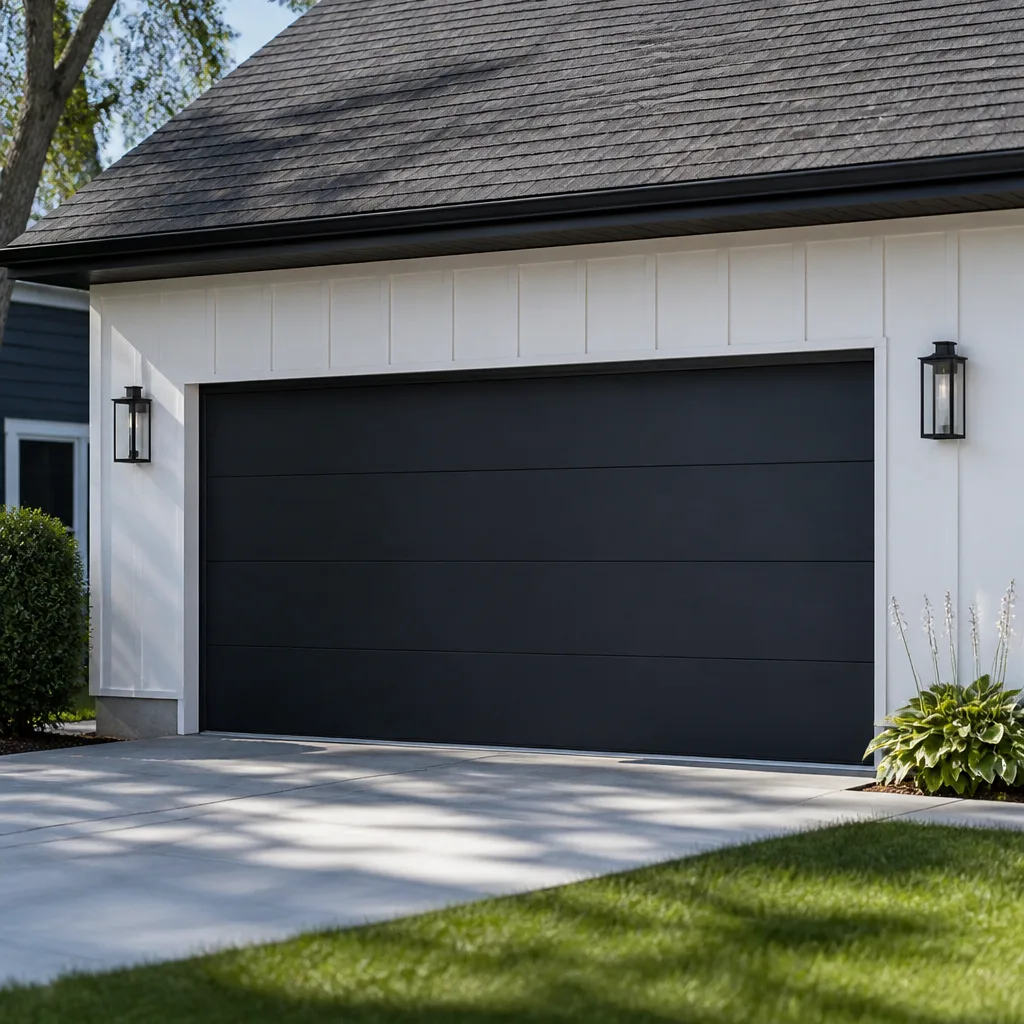 Modern flush
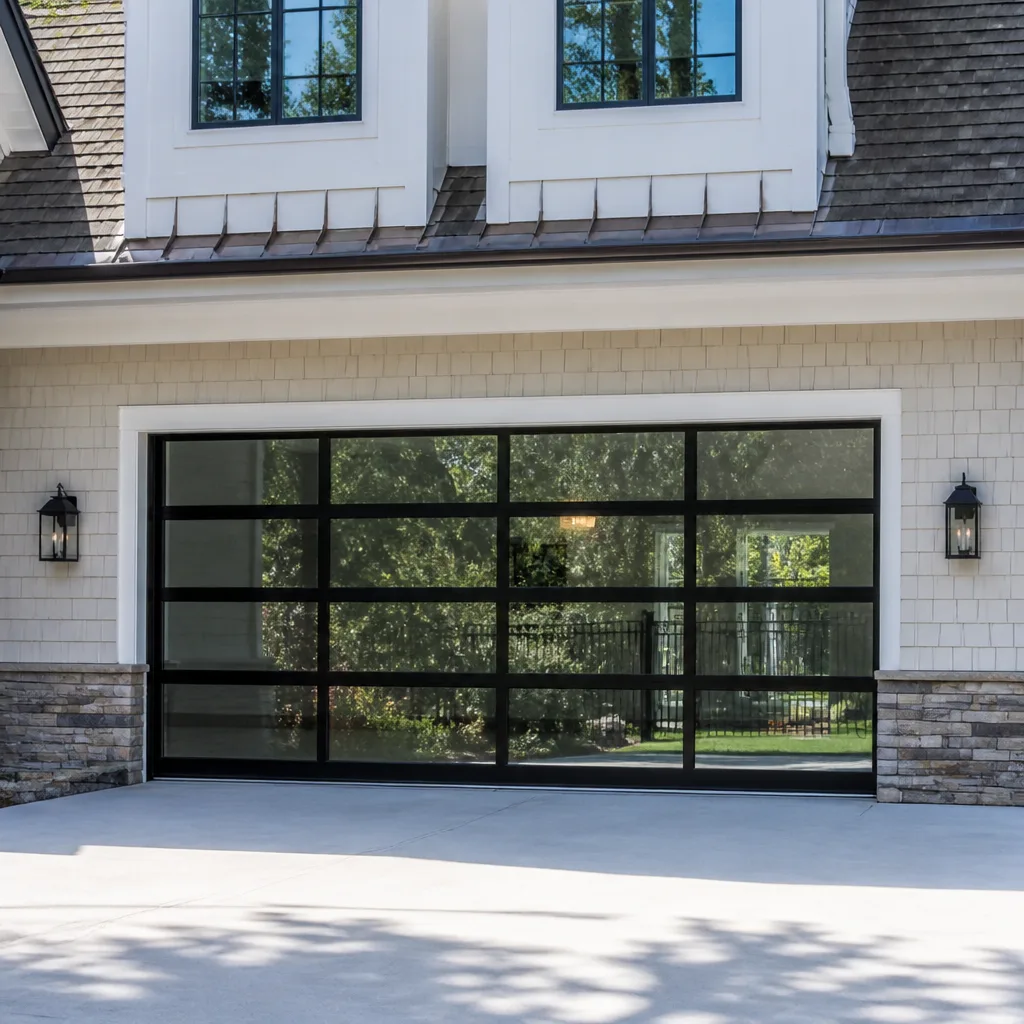 Full-view glass
 LiftMaster openers
 Chamberlain openers
Full 25-point door and opener safety check with every visit - springs, cables, rollers, tracks, and your LiftMaster or Chamberlain opener included
You get a price before we start. It does not change when the pro arrives.
Get your free estimateDIY vs Professional Garage Door: The Kendall Homeowner’s Decision Guide
Most DIY versus pro debates about garage doors get stuck on price. That framing misses the bigger risk in Kendall. Replacing your own torsion spring is legal in Florida, but if the door fails during a storm and your adjuster finds non-compliant hardware, you’ve handed your insurer a reason to dispute your wind damage claim. Miami-Dade County treats garage doors as part of the building’s wind-load envelope, not as a convenient weekend project. This guide walks through what the law actually requires, where the real danger sits, what a wind mitigation inspection checks, which jobs are genuinely safe to handle yourself in Kendall, and what a failed DIY attempt really costs once you add up parts, correction work, and permit trouble.
Quick Answer
Simple tasks like reprogramming a remote, swapping a bottom seal, or lubricating rollers and hinges are safe for most Kendall homeowners. Anything involving torsion springs, cables, the opener’s high-voltage wiring, or a full door replacement is not. In Miami-Dade, a full door replacement needs a permit and impact-rated hardware, and spring work carries enough stored energy to injure or kill. A professional does it correctly under a written quote, which protects both your door and your insurance claim.
Styles & brands we work with
- Raised-panel steel
- Carriage house
- Modern flush
- Full-view glass
- LiftMaster openers
- Chamberlain openers
Table of Contents
- What Florida law says about DIY garage door work in Miami-Dade
- The torsion spring reality check
- What a Miami-Dade wind mitigation inspection looks for
- Safe DIY tasks for Kendall homeowners
- Total cost of a failed DIY repair in Kendall
- How a professional garage door job actually runs
- Common mistakes to avoid
- Frequently asked questions
What Does Florida Law Say About DIY Garage Door Work in Miami-Dade?
Florida law lets a homeowner work on their own single-family home in many cases, but garage doors sit inside a stricter set of rules in Miami-Dade County. The line falls between routine maintenance and anything that touches the door’s structural or wind-resisting system. Spring replacement is generally viewed as a repair, not a structural change, so a homeowner technically can attempt it. A full door replacement is treated differently: it’s a building alteration that requires a permit and, in Miami-Dade’s High Velocity Hurricane Zone, impact-rated components installed to the product approval.
Here’s the practical breakdown for Kendall homeowners trying to sort out what’s legal without reading the whole building code:
- Generally allowed for the homeowner: replacing a bottom seal, lubricating hinges and rollers, reprogramming a remote or keypad, minor track adjustment without removing tension, and cleaning the photo-eye sensors.
- Requires a permit and the right product approval: full door replacement. Miami-Dade’s building department issues these permits and inspects the finished install. The door, the tracks, and the anchors all have to match a Miami-Dade product approval list, regardless of what the manufacturer’s general brochure says.
- Needs a trained professional in practice: torsion springs, torsion cables, opener high-voltage wiring, and any adjustment that changes the door’s counterbalance. Some of these don’t require a permit, but they’re lethal in the wrong hands and dangerous enough that insurers and inspectors will ask who did the work.
- Always requires a licensed contractor: anything an insurance carrier would need to document as part of the wind-load envelope, which for a garage door means the door itself, its anchoring system, and the operator’s impact rating where required.
We’ve watched homeowners in Kendall save a little money on a DIY install, then spend more than they saved because the county inspector wouldn’t pass the door. The place to ask about the specifics is the Miami-Dade building department. Their answer is the one that counts. If you want garage door repair that’s documented correctly for insurance purposes, that’s a big part of what we’re here for.
The Torsion Spring Reality Check
Torsion springs store energy. That’s the whole point of them: the spring winds tight, holds the energy in its coils, and uses that stored force to lift a door that weighs several hundred pounds. On a typical two-car garage door, the two springs carry enough stored energy to break a finger, dislocate a shoulder, or split a skull if the winding bar slips. It’s a machine that’s permanently loaded, and the only thing between you and that energy is a metal bar wedged into a winding cone.
The mechanics matter here. A torsion spring is mounted on a torsion tube above the door. At each end, a spring sits over a cone with set screws. To adjust tension, you wind the spring by inserting a winding bar into one of the cone’s holes and rotating it against the spring’s resistance. On a standard seven-foot door, the spring is wound roughly seven to eight full turns. Eight turns means you’re holding the bar in place, one hand on the door’s lift handle, while the spring pulls back with hundreds of pounds of force. Even a brief loss of grip sends the bar spinning. If the set screws strip or the bar slips out, the door drops. Insurance carriers treat this differently than they treat a plumbing leak, and we’ve seen that difference matter.
The reason standard DIY kits fail isn’t just skill. It’s the tools. The winding bars you get online are often made of softer steel, and if the bar bends inside the cone, the bar itself becomes a hazard. Professional bars are hardened and sized to the cone. The measurement that matters is the spring’s wire diameter and length, matched to the door’s weight. Get that wrong and the door either won’t stay up or slams down the moment the opener disengages. Our garage door spring repair technicians carry the right tools, and our technicians have up to 12 years of experience reading those numbers. Ask them to explain what they’re matching and why, and you’ll learn a lot.
This is one place where we’d rather see a homeowner call than try. Springs are a genuine high-risk repair, and no YouTube video can safely stand in for the training and the tools.
What Does a Miami-Dade Wind Mitigation Inspection Look For?
A Miami-Dade wind mitigation inspection is an evaluation that pinpoints exactly which features of your home reduce wind damage during a storm. The inspector isn’t grading your taste in doors; they’re checking that every opening in the building envelope will hold under wind pressure. That includes your garage door, because it’s the largest opening in the house. Garage door failures are the most common reason a home loses its roof pressure seal during a hurricane.
Here’s what the inspection actually checks when it reaches your garage:
- Product approval. The door has to match a Miami-Dade product approval for its specific model. Your installer writes the approval number onto the permit. If you installed the door yourself without a permit, there’s no paper trail, and the inspector notes that as unverified.
- Impact rating. For homes in the High Velocity Hurricane Zone, the door has to be impact-rated or protected by a rated shutter, and the rating has to be documented. Sounding solid isn’t the same thing.
- Anchor pattern. The number, depth, and type of anchors securing the door’s tracks and the header have to match the product approval’s installation instructions. A homeowner who installs their own door with the parts that came with it often misses the required anchor pattern for that door’s rated wind pressure.
- Reinforcement. On wider doors, or doors with unusually tall openings, an approved reinforcement strut or bracket is sometimes required to make the door meet its rated load.
- Operator rating. If the opener’s mounting hardware is part of the rated assembly, a field-assembled bracket has to match. This is exactly where brand knowledge pays off: a LiftMaster or Chamberlain opener mounted with the manufacturer’s rated bracket reads correctly to the inspector, while a generic bracket is a red flag.
Kendall homes built in the 1990s and later already have impact-rated hardware because the county has required it for years. Older homes may still be running a pre-approval door. Even when the door itself is fine, a DIY install often fails the inspection because the paperwork isn’t there. When an inspector sees a permitted install, they can verify the product approval and the anchor pattern against the application. When they don’t, the file stays open. Your carrier can use that open file when reviewing a claim. Our team can help you get Kendall Garage Door Repair Pros documentation for your door’s history, and that’s worth having before storm season.
Safe DIY Tasks for Kendall Homeowners
Not every garage door job needs a licensed professional. Several tasks are genuinely within reach for a careful homeowner, and they save real money. The line to respect is the springs, cables, and anything that touches the door’s wind-rated system. Here’s what’s on the safe side of the line in Kendall.
- Reprogramming a remote or keypad. This is the most common DIY garage door task, and it’s the one most worth learning. Every opener model has its own procedure for pairing a new remote or clearing a keypad’s memory. Our garage door opener repair team is happy to walk you through the sequence for your specific model. A Craftsman remote won’t pair the same way a LiftMaster one will, and the manual for your exact opener is the only authority. Program the opener with the door stationary and the opener’s learn button within reach. Never stand on a ladder while working the button.
- Replacing a bottom seal. The bottom seal is the rubber weather strip along the door’s lower edge. It wears out, splits, and lets in water and pests. A replacement seal runs a modest cost and takes a half-hour. The door has to be fully closed, and you need the right width for your door. Measure the door’s thickness carefully; standard doors are 1-3/8″, 1-3/4″, or 2″ thick, and picking the seal for the wrong thickness means a poor fit that lets air and water in.
- Lubricating rollers, hinges, and springs (springs only when the door is closed and stationary). A dry garage door sounds worse and wears faster, especially in Kendall’s humid air. A silicone-based lubricant on the hinges and rollers, and on the spring coils only when the door is fully closed, keeps things quiet. Never touch the springs when the door is up. Never.
- Testing the photo-eye safety sensors. These small sensors on either side of the door near the floor stop it from closing on a person or pet. Test them by placing an object in their path while closing. If the door stops and reverses, they’re working. If not, clean the lenses first, then call us if it still fails.
- Minor track adjustment within tolerance. Tracks can drift out of plumb by a small amount. You can check them with a level. If one side is out of line by more than about a quarter inch over the length of the track, leave it to a professional. Adjusting track brackets while the door is under spring tension is where DIY goes wrong.
Everything on that list is worth doing yourself. It’s also the list of things a well-meaning homeowner can practice until it’s muscle memory, so they know their door inside and out. That confidence is useful. It’s just not the same as knowledge of the spring system.
Total Cost of a Failed DIY Repair in Kendall
DIY looks cheaper at the starting line. It usually isn’t, once you count the follow-on costs. Here’s what a failed attempt tends to actually cost in the Kendall market. These are typical estimated ranges, not promises. The written estimate from a professional is what sets the final price.
- Spring replacement, professional: typical range is roughly $180 – $340 for one spring. A matched pair is usually replaced together at about twice that.
- DIY spring replacement, when it goes wrong: the spring plus the winding bars plus a sprung door often lands above the pro quote, before any injury or vehicle damage is counted. The correction work is usually what pushes it over.
- Full door replacement, professional: a new door is measured, ordered, permitted, and scheduled. The price range depends on the door, the hardware, and the impact rating. The written quote is what you pay.
- DIY door install with no permit: the county can require a permit and inspection after the fact. The violation itself is one cost. The bigger cost is that a wind mitigation inspection note of “unverified” can affect a claim.
- Opener repair: a mis-diagnosed opener is common when the opener isn’t the problem. A trained technician rules out the spring and the door before touching the opener. Guessing at it costs a replacement opener plus a repair.
The math usually works against DIY on the spring and door install. It favors DIY on the bottom seal, lubrication, and remote reprogramming. That’s the split worth remembering. When you’re ready for a written estimate, we’ll quote the price before any work starts. No surprises at the invoice.
How a Professional Garage Door Job Actually Runs
We’ve seen enough Kendall garages to know how repairs actually go. A professional job starts with an assessment, moves into a written quote, and only starts once you’ve approved it. Here’s the sequence.
- Assessment. A technician checks the door’s balance, the springs’ wire size and length, the cables, the rollers, the hinges, the tracks, and the opener. Balance is the first test, because an out-of-balance door tells you which subsystem is failing before anyone touches a tool.
- Brand check. We work on eight major brands, so we already know the quirks of your door and opener before arriving. That means a LiftMaster opener’s learn button behavior, a Chamberlain’s travel limits, a Craftsman wall console, or a Raynor’s track system. Knowing these saves you a diagnostic visit that might otherwise become two.
- Written quote. You get the line items in writing, and the price is agreed before any work starts.
- Repair or replacement. Springs, openers, panels, tracks, cables, and full installs all happen under one roof, so you don’t need to call a separate contractor for each problem.
- Testing and sign-off. The door’s balance, the opener’s travel limits, the force settings, and the safety reversal all get checked. On a full install, we hand you the paperwork the county and your insurer will want.
Emergency situations are their own category. If your door won’t close or the opener has failed and you need it secured tonight, our emergency garage door service is designed for exactly that. A failed door is a security and safety issue, not just an inconvenience. We can’t promise a specific arrival time in every case, but we can promise the situation gets a proper look from someone who knows the equipment.
Common Mistakes to Avoid
- Trusting a YouTube tutorial for spring work. Every spring job is a specific machine. The torque changes with wire diameter, door weight, and drum radius. Videos convey procedure, not understanding. If you don’t know your door’s weight, you can’t safely wind your spring.
- Installing a door without pulling a permit. In Miami-Dade, a full door replacement needs a permit. Skipping it saves a little money and costs a document your insurer will ask for. It’s a common and expensive mistake in Kendall.
- Mixing door hardware from different brands. A door with Clopay panels, Amarr tracks, and random aftermarket brackets is a wind-loading problem waiting to happen. The hardware has to match the product approval for your specific door.
- Replacing the opener when the spring is the problem. A struggling door that won’t open is usually a spring or cable failure, not an opener failure. Call for a diagnosis before buying a new opener.
- Ignoring an out-of-balance door. A door that won’t stay up when lifted halfway is a sign the springs are failing. The repair is cheaper before the cable snaps than after.
- Adjusting track brackets without realizing the springs are under tension. The door needs to be in the down position when you check the track with a level, and any real adjustment beyond a quarter inch needs a professional.
- Missing the wind mitigation inspection paperwork. The most expensive DIY mistake in Kendall isn’t the repair itself. It’s an inspection that comes back “unverified” because the install was never documented.
See the difference
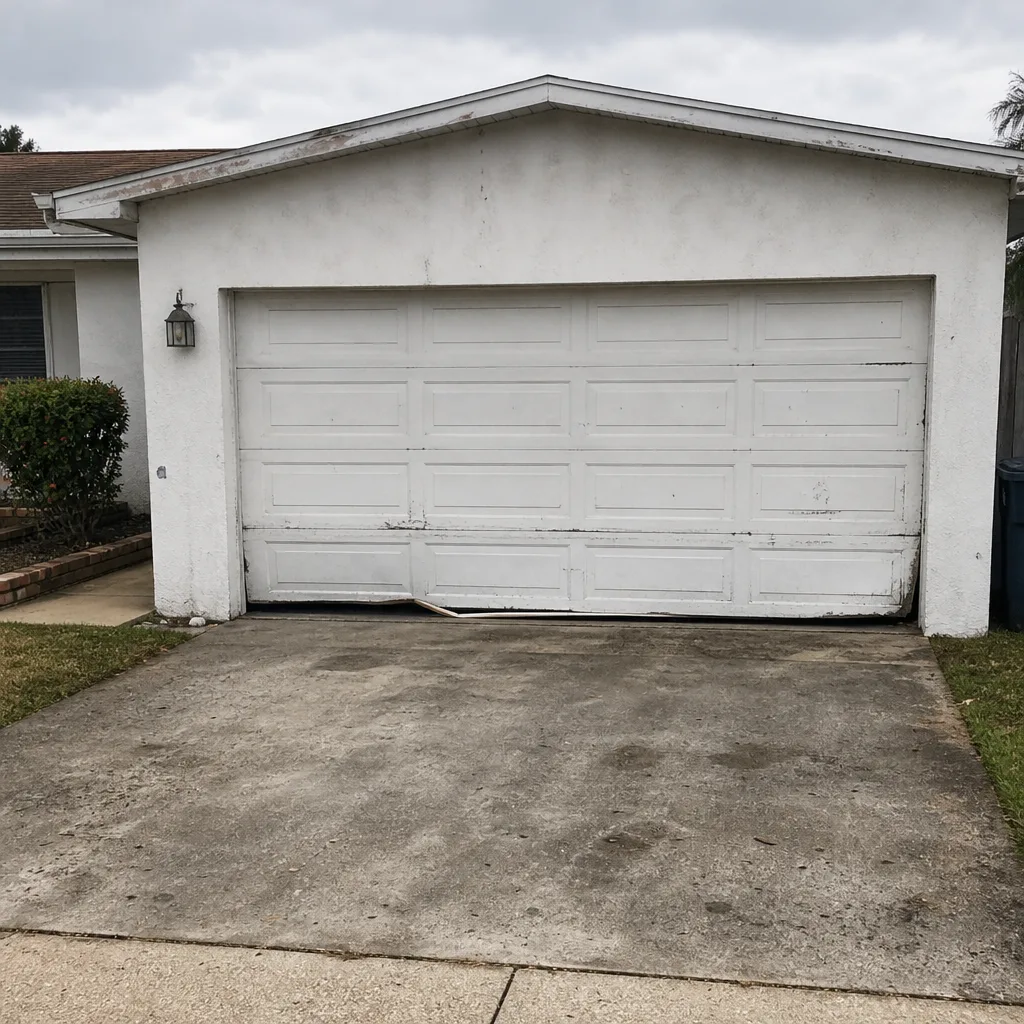 Before
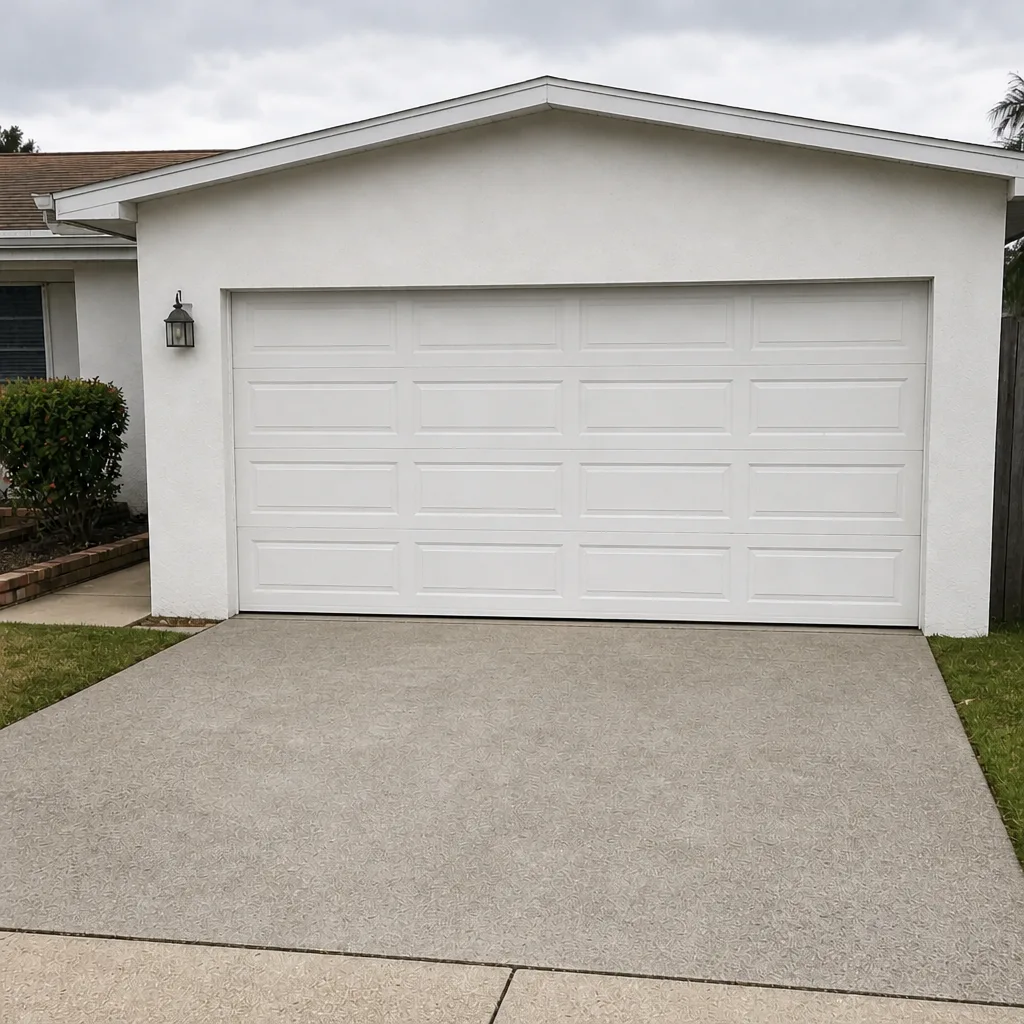 After
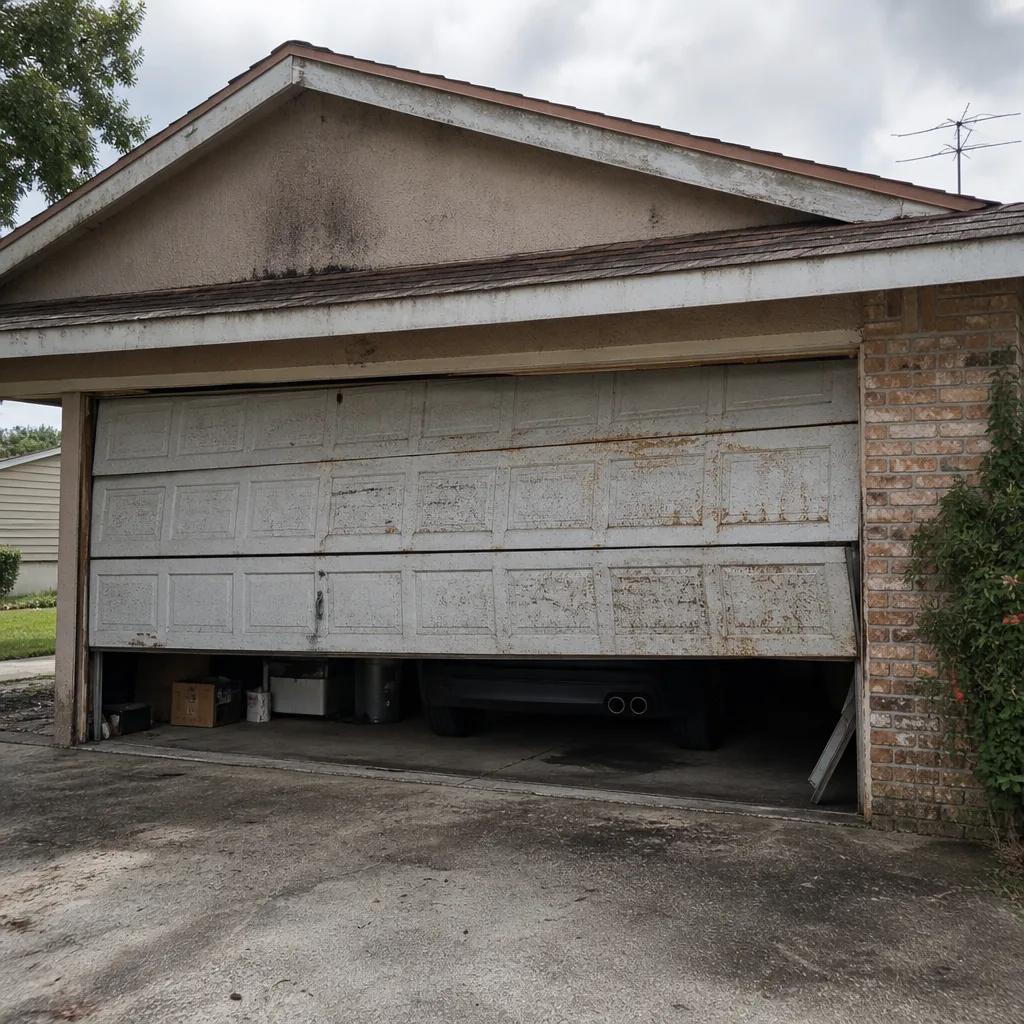 Before
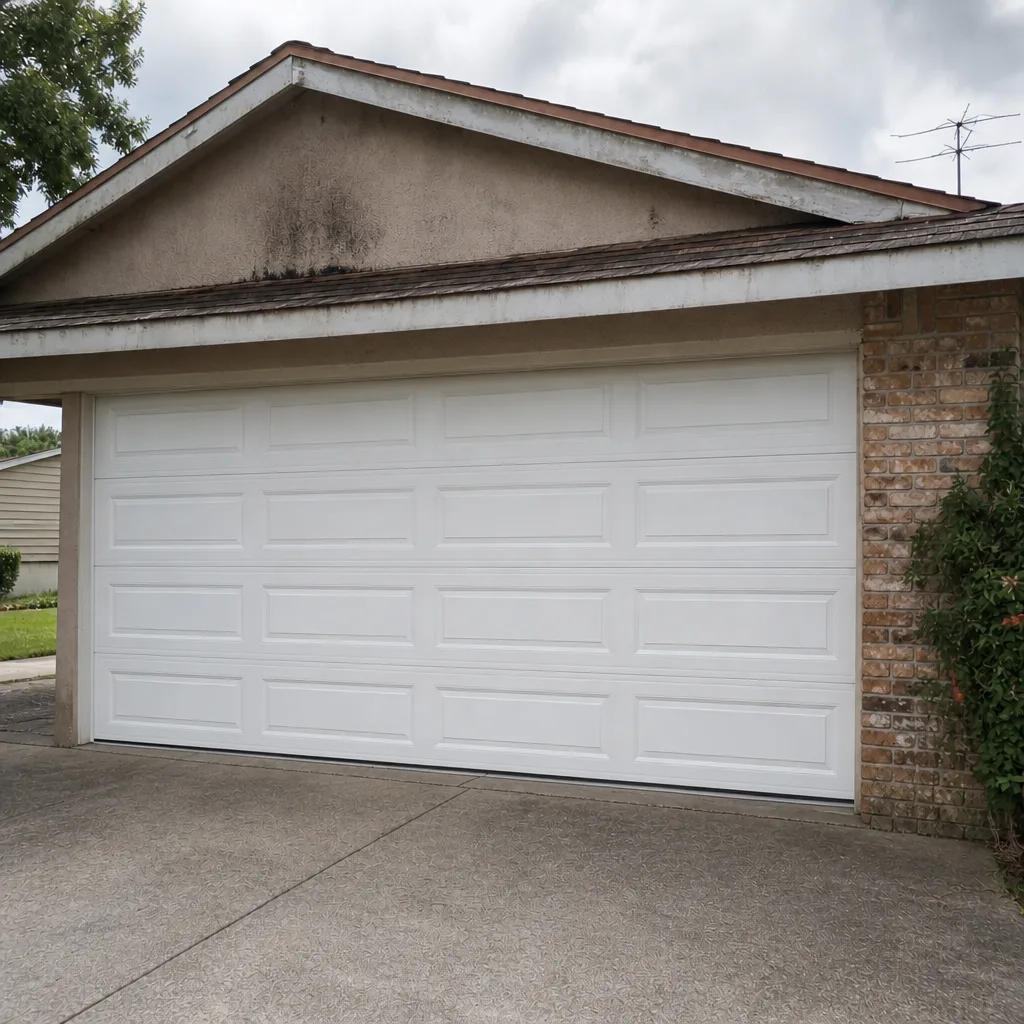 After
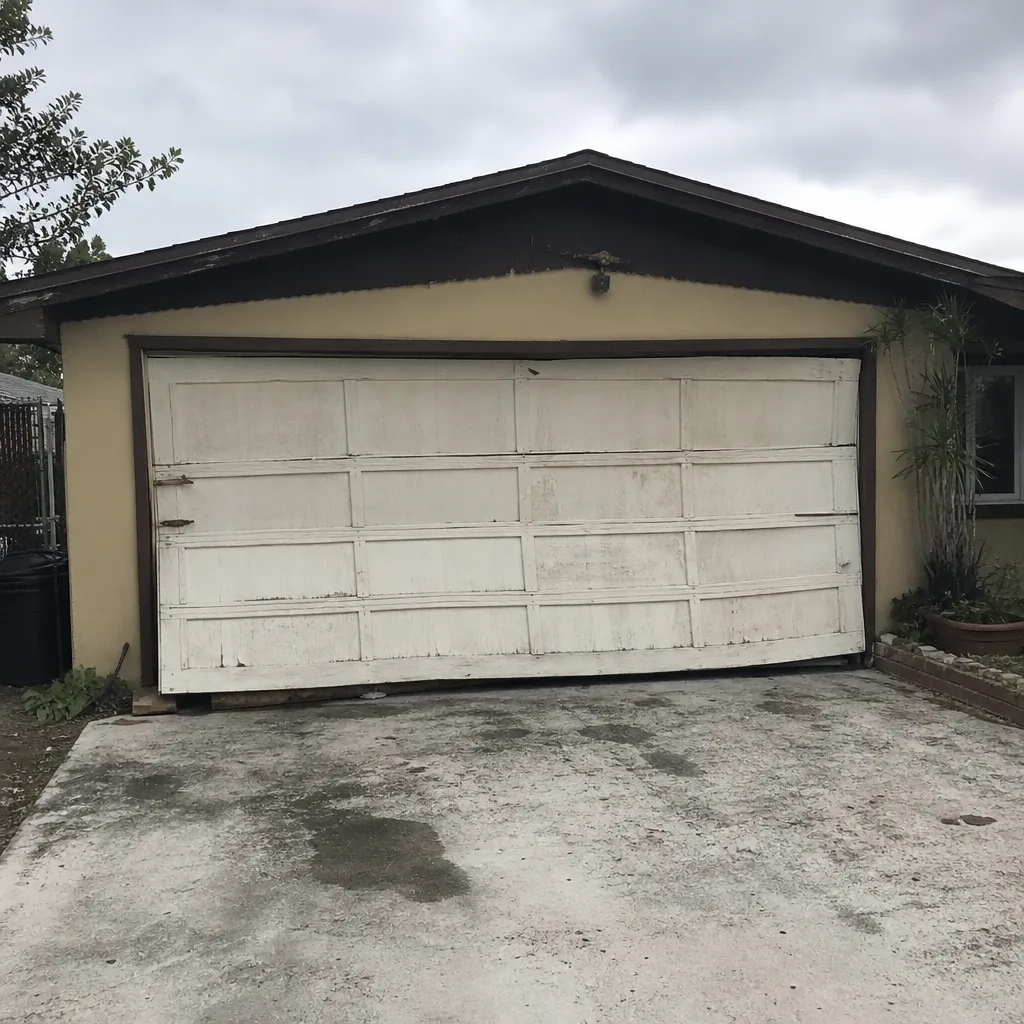 Before
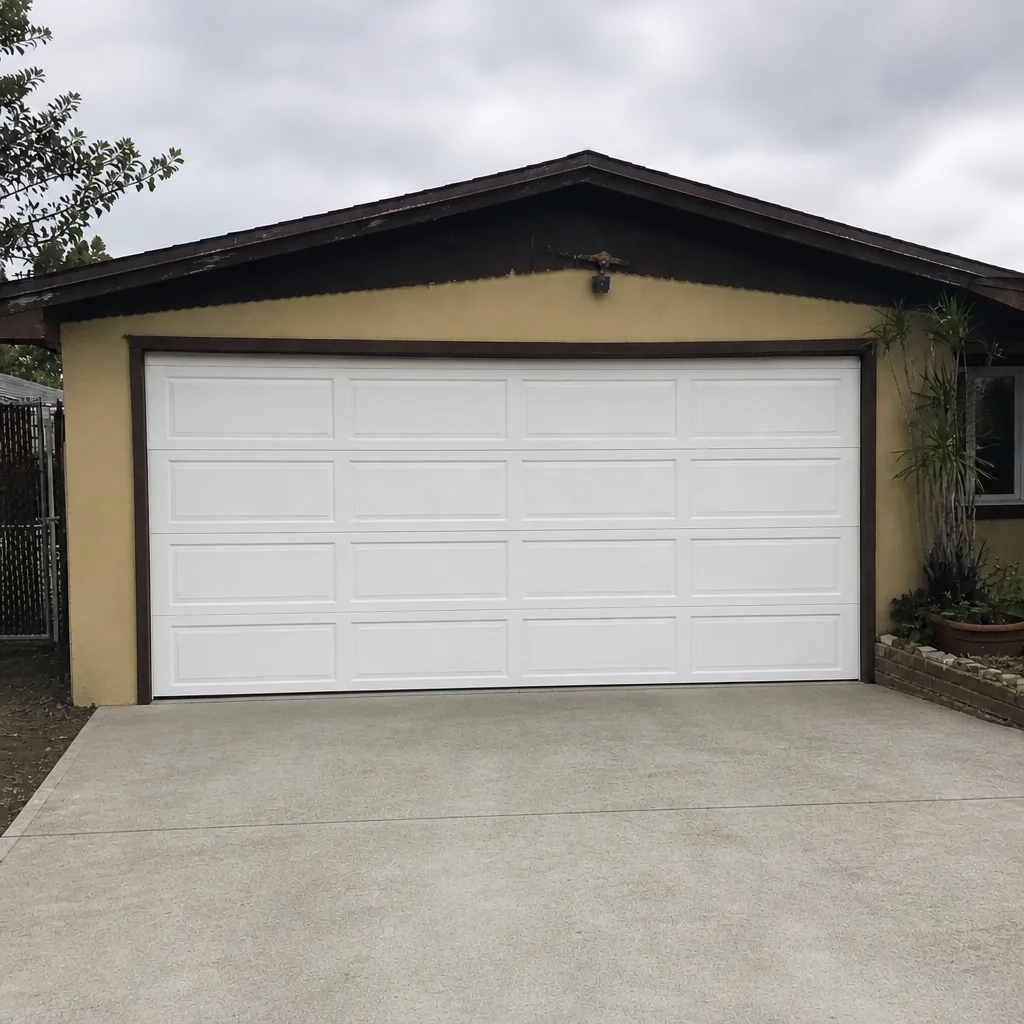 After
When to Call a Professional
Call a professional when the job involves springs, cables, the door’s alignment under tension, a full replacement, an opener wired to high voltage, or anything the county will inspect. Also call when the door is out of balance, won’t stay closed, or has visibly damaged hardware. If a spring has snapped and the door won’t open, that’s a repair our team handles routinely, and we’d rather look at it than let a homeowner risk a serious injury. Kendall Garage Door Repair Pros offers free estimates in Kendall. Call (833) 508-9893 to set one up. Our technicians have up to 12 years of experience, and the written quote always comes before any work starts. The price you agree to is the price you pay.
Frequently Asked Questions
Yes, generally. Florida doesn’t require a licensed contractor for spring replacement on your own home. That doesn’t mean it’s advisable. The springs on a typical door store enough energy to cause serious injury or death if a winding bar slips. If the spring wasn’t changed correctly, the door’s counterbalance isn’t right, and the door can fail under load. Call (833) 508-9893 for an exact quote on spring repair. Estimates are free.
Yes. A full garage door replacement is a permitted alteration in Miami-Dade County, and the new door has to match a Miami-Dade product approval. Along with the permit, you’ll need impact-rated hardware if your home is in the High Velocity Hurricane Zone. Check the specifics with the Miami-Dade building department before you order a door. Getting this paper trail right protects your wind mitigation documentation.
Buying an impact-rated door is only step one. In Miami-Dade, the install has to match the product approval’s anchor pattern and, in many cases, match an approved reinforcement strut or bracket. A homeowner who installs with the generic parts in the box frequently ends up with an inspection that can’t be verified. That gap doesn’t show up until you need it documented. Call us for a free measure and a written quote, and we’ll lay out the permit and product-approval options for your door.
Spring repair in Kendall typically costs $180 – $340 for one spring. A matched pair is usually replaced together at about twice that range, since both springs are wound to the same spec. The written quote sets the final price. We quote before any work starts, so you know what you’re agreeing to. Call (833) 508-9893 for an exact estimate. Estimates are free.
They look for a documented product approval, a verified impact rating, and an anchor pattern that matches the approved installation. Any garage door install in Kendall that skipped the permit is likely to fail the paper-trail part of the inspection even when the door itself is compliant. If you’re unsure how your door was installed, call for an inspection. We can check the hardware and tell you whether the install needs to be brought up to the documented standard.
Reprogramming a remote or keypad, replacing a bottom seal, lubricating hinges and rollers, testing the photo-eye sensors, and checking track alignment with a level are all safe for most homeowners. For anything involving springs, cables, or the door under tension, call a professional. Our garage-door-only focus means our tools and parts are matched to your door, and our technicians have up to 12 years of experience with the major brands. Call (833) 508-9893 for a free estimate on anything past the safe DIY list.
The Bottom Line
Garage door DIY is worth doing for the small stuff: remote pairing, bottom seals, lubrication, sensor tests. It’s not worth doing for springs, cables, high-voltage wiring, or a full door replacement in Miami-Dade, where the permit and product approval are part of your insurance file. A failed DIY repair usually costs more than the professional quote once correction work and documentation problems are added. Springs, openers, panels, and full installs all come from the same team here, and we know the eight major brands by name and by mechanism. If you’re on the fence, the safe rule is to call. The free estimate will tell you the real number.
If you want a second opinion before you decide, or you’re ready for the job to be done and documented correctly, call Kendall Garage Door Repair Pros at (833) 508-9893 for a free estimate in Kendall. We’ll quote the price before any work starts, and the written quote is what you pay.
Written by the team at Kendall Garage Door Repair Pros.