Last updated November 23, 2026
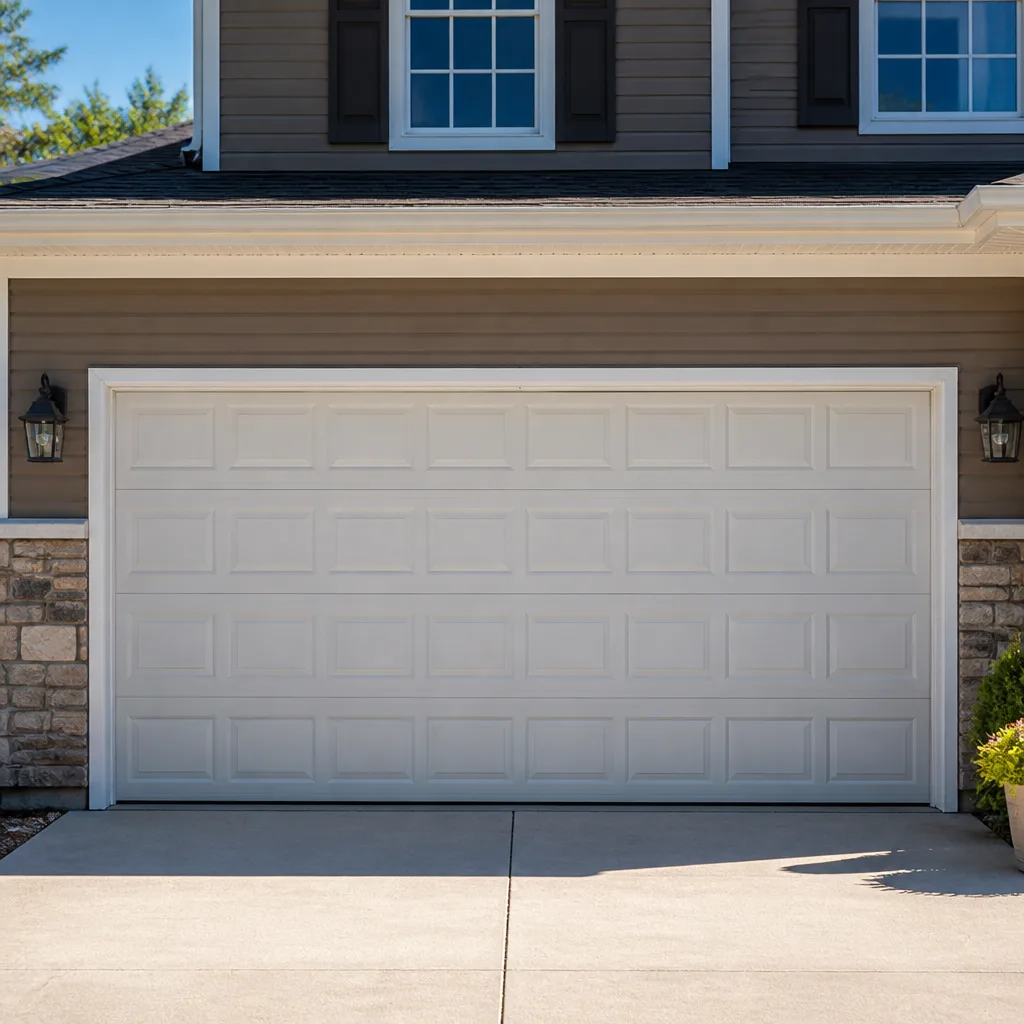 Raised-panel steel
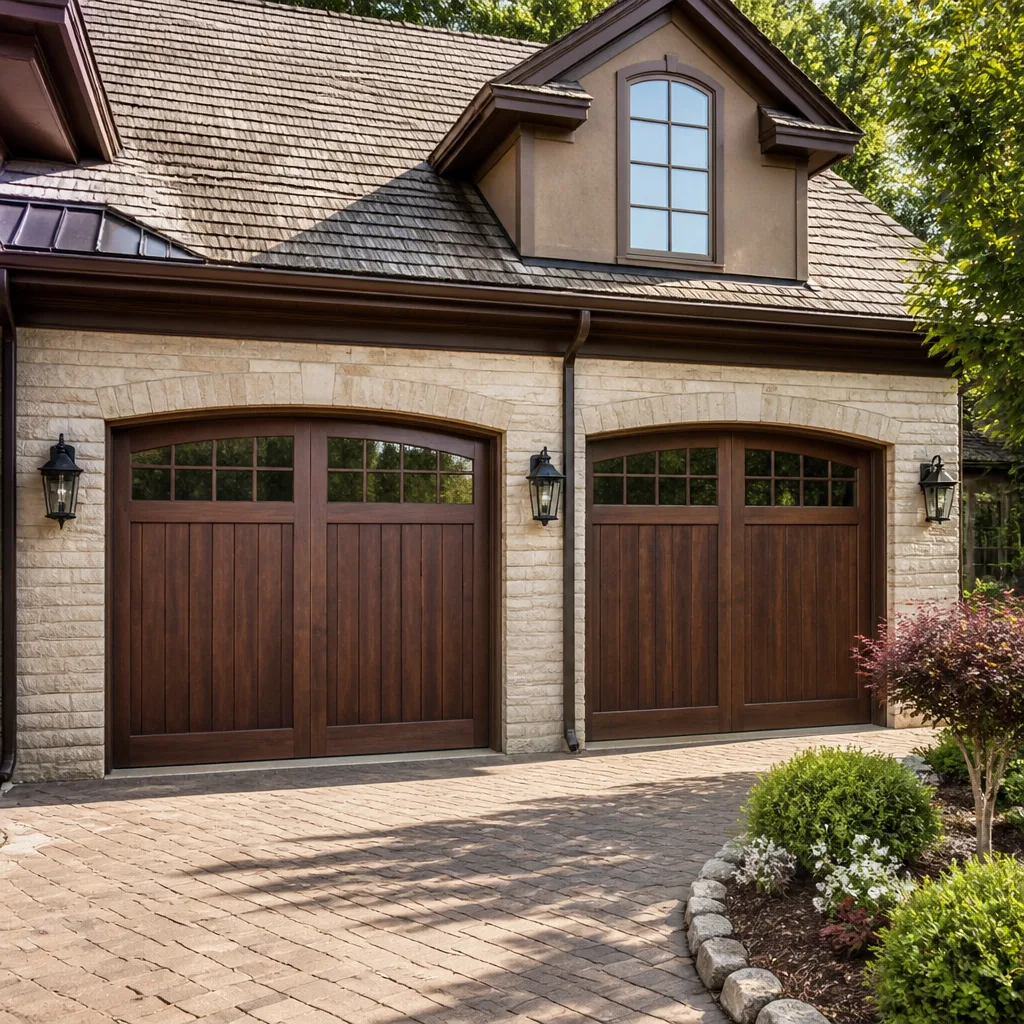 Carriage house
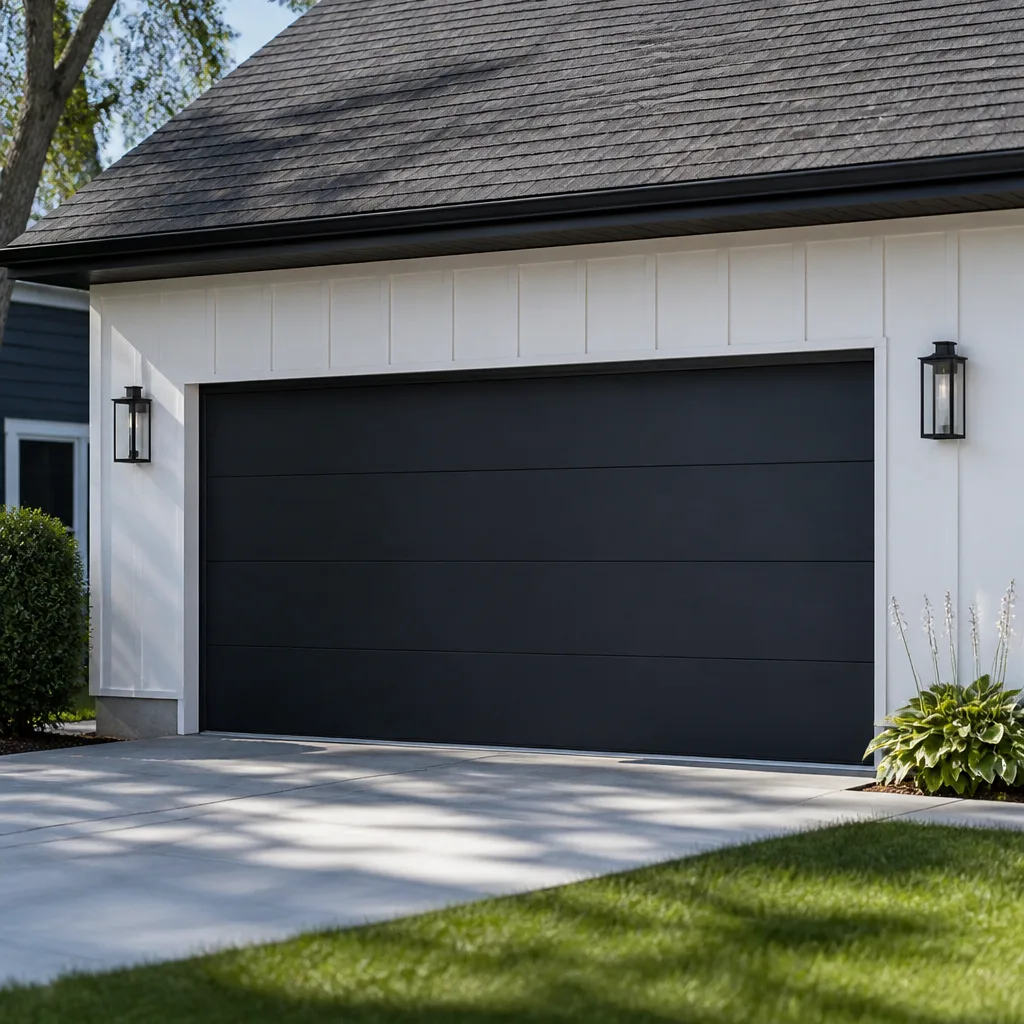 Modern flush
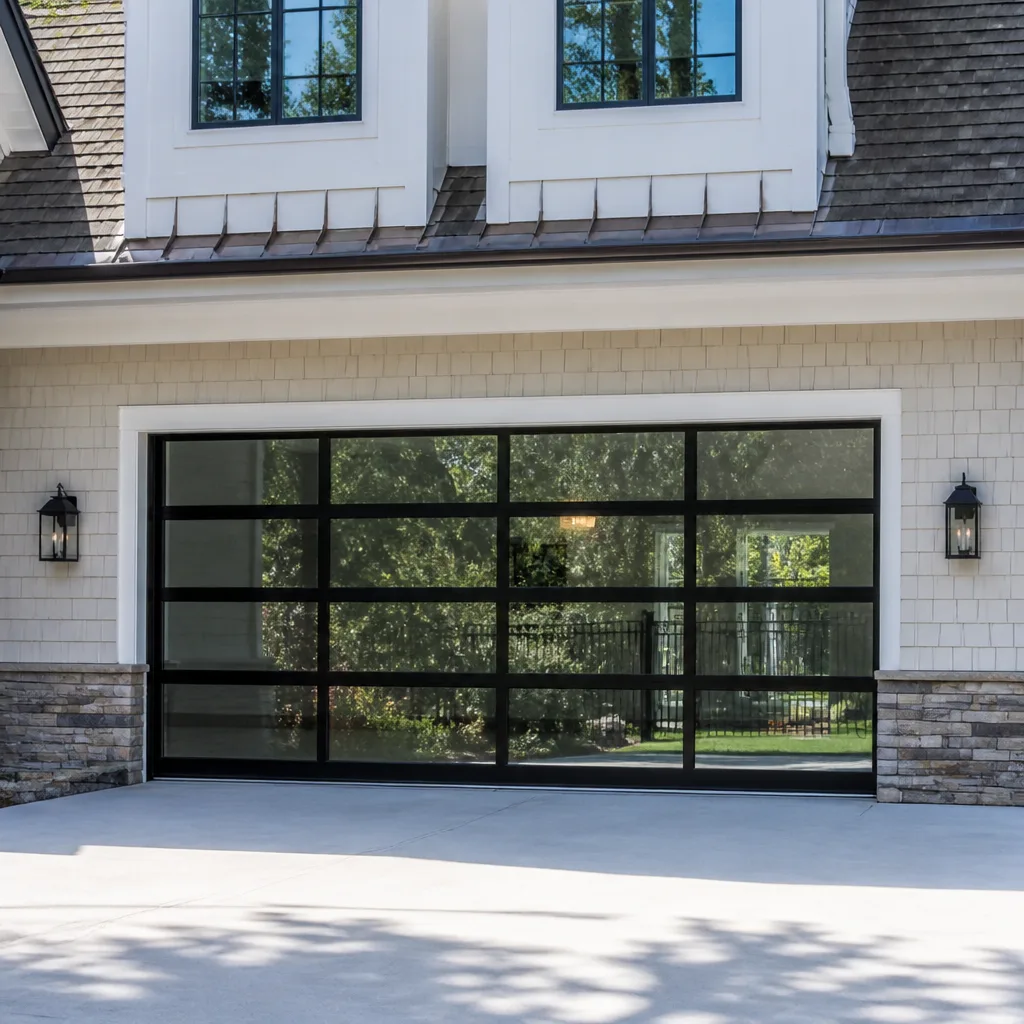 Full-view glass
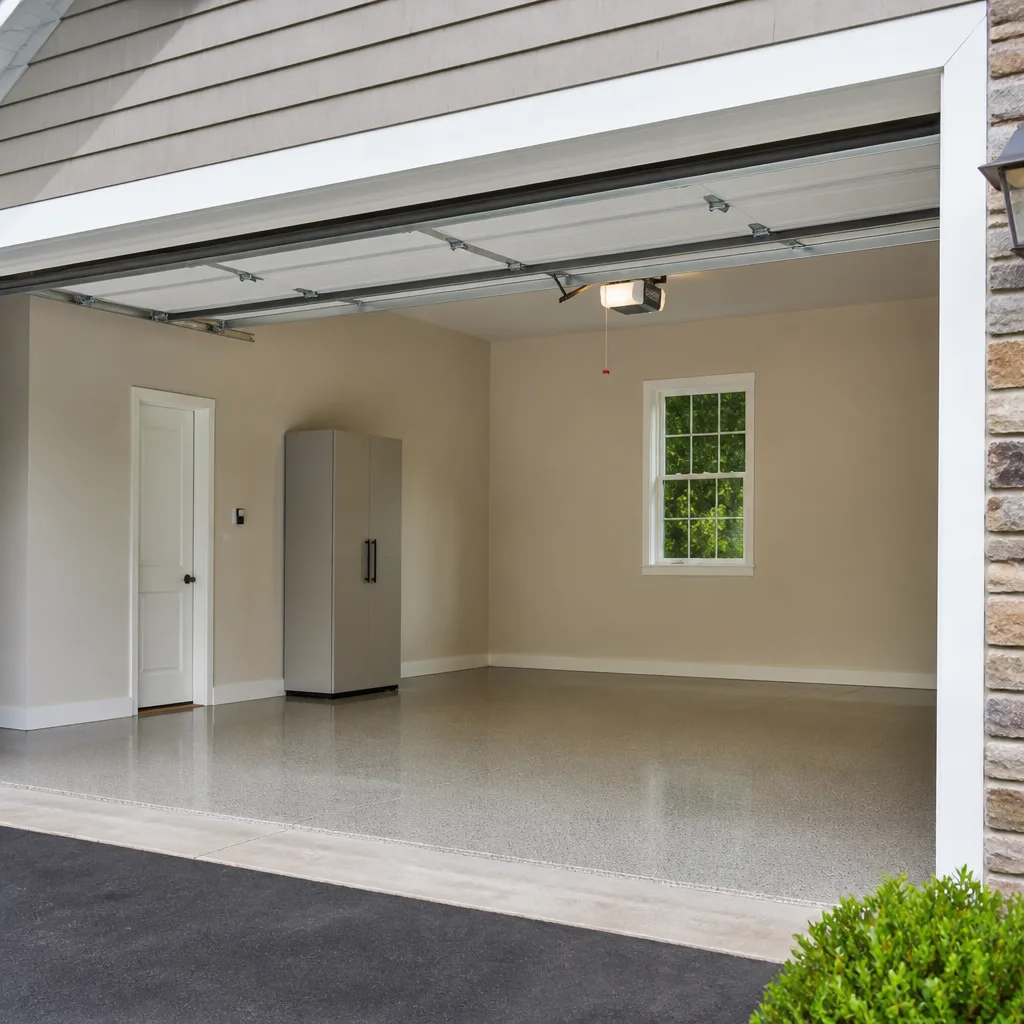 LiftMaster openers
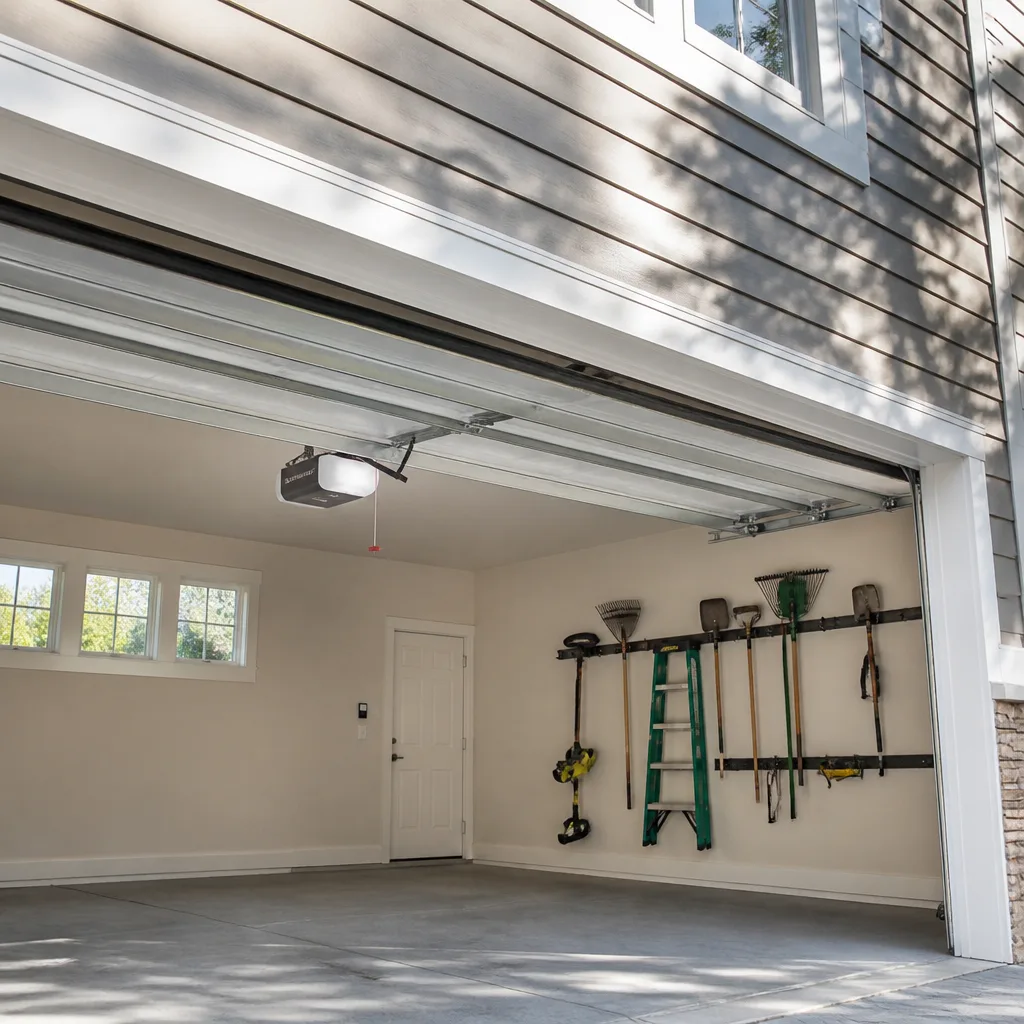 Chamberlain openers
Full 25-point door and opener safety check with every visit - springs, cables, rollers, tracks, and your LiftMaster or Chamberlain opener included
You get a price before we start. It does not change when the pro arrives.
Get your free estimateSeasonal Garage Door Care for Kendall: Year-Round Homeowner’s Guide
Most garage door maintenance guides are written for places with four seasons, and they’ll tell you to winterize in October and check for freeze damage in March. Kendall doesn’t work that way. We get a long storm season and a dry season that exposes everything the storms left behind, which means your maintenance calendar should look completely different from the national template. October is actually the most important maintenance month here, not because of cold, but because that’s when you can finally assess five months of wind, rain, and humidity. This guide walks you through what to check and when, month by month.
Quick Answer
Garage door care in Kendall follows two seasons, not four: a pre-storm checklist in April and May, rapid post-storm inspections from June through October, a full damage assessment in November, and dry-season finish work from December through March. The single most important task is testing your manual release and inspecting hurricane brackets before the first named storm, because a door that won’t disengage or a bracket that’s pulled loose can fail when you need it most.
Styles & brands we work with
- Raised-panel steel
- Carriage house
- Modern flush
- Full-view glass
- LiftMaster openers
- Chamberlain openers
Table of Contents
- Why Kendall’s Climate Rewrites the Maintenance Calendar
- April and May: The Pre-Season Protocol
- June Through October: Storm-Season Checks
- November: The Full Post-Season Assessment
- December Through March: Dry-Season Opportunity Tasks
- How Kendall’s Climate Changes Lubrication Frequency
- Opener Care Through the Year
- Common Mistakes to Avoid
Why Kendall’s Climate Rewrites the Maintenance Calendar
A garage door in Kendall faces conditions that a door in Ohio or Colorado never sees. Instead of freeze-thaw cycles, we deal with sustained humidity, salt-free but heavy rainfall, wind-driven debris, and months of heat that stress lubricants and seals. National maintenance guides assume your biggest threat is ice. Ours is a five-month stretch where the door takes a beating from weather and doesn’t get a break.
The practical result is that most Kendall homeowners are following the wrong schedule. They lubricate in spring because a magazine told them to, then wonder why the rollers squeal by August. They check their weatherstripping in fall, when the real window for replacing it is the dry months when humidity drops and the new seal can seat properly.
There’s also the hurricane factor. Miami-Dade County has some of the strictest wind-load requirements in the country for garage doors, and those requirements exist because a failed door can compromise the entire structure. A garage door that loses its seal under wind pressure lets pressure inside the house, and that pressure has to go somewhere. That’s why your seasonal care plan needs to treat the door as part of your storm readiness, not just a convenience item.
Here’s the split we recommend: April through October is about storm readiness and damage response. November is about honest assessment. December through March is about catching up on the cosmetic and mechanical tasks that keep the door running smoothly for another year. If you follow that rhythm in Kendall, you’ll stay ahead of the failures that surprise homeowners who use a generic calendar. For anything that needs a hands-on repair, our garage door repair service covers the full range of seasonal wear items.
April and May: The Pre-Season Protocol
Before the first named storm forms, you have a narrow window to make sure your door is ready. This isn’t about predicting the season; it’s about eliminating the failure points that turn a manageable storm into a real problem. In our experience, most of the damage we see after storms traces back to something that was already loose, worn, or misaligned before the wind ever arrived.
Work through this checklist in April or early May:
- Inspect the hurricane brackets and reinforcement struts. Look at every bracket, bolt, and strut on the door and the tracks. Any bolt that’s backed out, bracket that’s bent, or strut that’s pulling away from the panel needs attention before storm season. These components are what hold the door together under wind load, and a loose bracket is a weak point.
- Replace the bottom seal if it’s cracked or flattened. The bottom seal is your first line of defense against wind-driven rain. Run your hand along it; if it’s stiff, torn, or doesn’t make full contact with the floor, replace it. This is a low-cost part with a big effect on how much water gets in.
- Test the manual release. Pull the red release handle and confirm the door disengages smoothly from the opener. Then re-engage it and run the door through a full cycle. If the release is stiff or the door doesn’t reconnect cleanly, that’s a safety issue you want fixed now, not during an evacuation.
- Check the track alignment. Sight down each track from the floor. Any bend, kink, or section that’s pulled away from the jamb can bind the door under stress. Tracks that are out of alignment also wear out rollers faster.
- Clear the photo-eye path. If you have a LiftMaster or Chamberlain opener, the safety sensors at the bottom of the tracks need a clear line of sight. Windblown debris and spider webs are common culprits for a door that won’t close.
If any of these checks turn up a problem you’re not comfortable fixing, that’s the right time to call. A pre-season inspection is far cheaper than a post-storm repair, and it gives you time to schedule the work instead of waiting for an emergency.
June Through October: Storm-Season Checks
Once hurricane season is underway, your maintenance shifts from preparation to response. Any named storm that passes within 100 miles of Miami-Dade is a reason to walk outside and look at your door before you use it again. Wind-driven rain, flying debris, and pressure changes can all leave damage that isn’t obvious from a glance.
After a storm passes, do a rapid visual inspection before you operate the door:
- Look for bent or dented panels. Even a small dent can affect how the door seals and how smoothly it travels in the tracks. Pay attention to the bottom panel, which takes the most impact from debris.
- Check the tracks for debris or distortion. Twigs, leaves, and grit collect in the tracks and can cause the door to bind. A track that’s visibly bent needs professional realignment before you run the opener.
- Inspect the brackets and hinges. Wind vibration loosens bolts over time. A quick visual check of every bracket and hinge tells you whether anything has shifted.
- Test the balance. Disconnect the opener and lift the door halfway by hand. It should stay put. If it drops or rises on its own, the springs are under tension or have lost tension, and that’s a job for a professional. Springs are under extreme tension and can cause serious injury if handled incorrectly.
- Run the door and listen. Grinding, popping, or a door that hesitates mid-travel are signs of a problem that a storm may have worsened. If the door won’t open at all, that’s an emergency situation we handle around the clock.
If a storm leaves your door stuck open, off its tracks, or unable to close, that’s a security problem as much as a mechanical one. Our emergency garage door service exists for exactly those situations. We also handle garage door opener repair when a storm-related power surge or moisture intrusion takes out the opener. Because we work on LiftMaster, Chamberlain, Genie, Clopay, Amarr, Wayne Dalton, Craftsman, and Raynor systems, we arrive already familiar with the specific components in your door.
One habit worth building: after any storm that brings sustained wind or heavy rain, take two minutes to look at the door before you hit the button. It’s the cheapest inspection you’ll ever do.
November: The Full Post-Season Assessment
November is when you finally get a clear picture of what storm season did to your hardware. The rains taper off, the humidity starts to drop, and you can inspect the door without fighting the weather. This is the month for the assessment that sets up your repair list for the year ahead.
Start with corrosion mapping. Walk the length of the door and look at every hinge, roller, bracket, and track connection. In Kendall’s humidity, surface rust can develop on hinges and fasteners even on galvanized hardware. Note where you see rust, pitting, or discoloration. A little surface rust on a hinge is manageable; rust that’s eating into a bracket or a spring coil is a replacement signal. If you see heavy corrosion on the springs, call for garage door spring repair rather than trying to treat it yourself. Springs are the most dangerous component on the door, and a corroded spring can fail without warning.
Next, estimate your spring cycle count. Every time the door opens and closes, the springs cycle once, and torsion springs have a finite life. If your door cycles several times a day, five months of heavy use adds up. You don’t need an exact number; you need to know whether your springs are nearing the end of their service life so you can plan the replacement instead of discovering it when a spring snaps.
Then check track alignment. Wind stress pushes on the door and can shift the tracks out of plumb, especially at the top and bottom curves. A door that rattles more than it did in spring, or that hesitates at a certain point in its travel, is telling you the tracks have moved. Realignment is a quick professional job that prevents premature roller and hinge wear.
Finally, look at the door’s overall operation. Does it open evenly? Does it close flush with the floor? Are there new gaps at the sides or top? Each of these is a clue about what shifted during the season. Write them down and address them in the dry months.
December Through March: Dry-Season Opportunity Tasks
The dry season is your window for the tasks that need low humidity to go right. Paint and finish work cure better when the air is dry. Weatherstripping seats more reliably. And the door isn’t under storm stress, so you can take it out of service for a few hours without worrying about a weather event.
Here’s what to tackle between December and March:
- Paint or touch up the finish. Any bare metal, chipped paint, or scratched panel is a place where rust will start. Clean the surface, spot-prime bare metal, and touch up the paint. On a Clopay or Amarr steel door, a good finish is what keeps the steel from corroding.
- Replace the weatherstripping around the frame. The side and top seals take a beating during storm season. Replacing them in the dry months lets the adhesive and the material set properly without fighting moisture.
- Update your opener firmware. If you have a LiftMaster or Chamberlain opener with MyQ or a similar connected feature, check for firmware updates. Updated firmware improves security and reliability, and it’s a five-minute task.
- Lubricate hinges, rollers, and the spring. Use a garage-door-specific lubricant, not WD-40. Dry-season lubrication sets you up for smooth operation through the next storm season.
- Check the opener’s safety reverse. Place a piece of wood on the floor under the door and confirm it reverses on contact. This is a safety test every opener should pass, and it’s easy to do when the weather is mild.
- Inspect the hardware for loose bolts. Go around the door with a wrench and snug anything that’s worked loose. Dry-season tightening prevents the rattles that develop during storm season.
This is also the best time to plan a full door replacement if your assessment in November pointed that direction. A Kendall Garage Door Repair Pros installation is scheduled around the weather, not during it, so the dry months give you a wider window for ordering and installation.
How Kendall’s Climate Changes Lubrication Frequency
National garage door guides typically recommend lubricating twice a year, usually in spring and fall. That schedule assumes a climate with a cold winter that slows oxidation and a dry summer that doesn’t stress the lubricant. Kendall doesn’t match either assumption, which is why we recommend three to four lubrication passes per year instead of two.
The reason is straightforward: heat and humidity break down lubricant faster than cold does. In a climate where the door sits in 85-degree air with high humidity for months, the lubricant on your hinges, rollers, and spring dries out, gets gummy, or attracts grit. A dry hinge wears faster, and grit in a roller turns a smooth glide into a grind.
Here’s the schedule we recommend for Kendall:
- Early May: Lube everything before storm season starts so the door is running smoothly when it matters.
- August: Mid-season pass to replace lubricant that’s cooked off in the summer heat.
- November: Post-season pass as part of the assessment, focusing on anything that shows wear.
- February: Dry-season pass to set the door up for the year ahead.
One thing to keep in mind: lubricating a spring is different from lubricating hinges and rollers. A torsion spring takes a purpose-made spring lubricant, and if you’re not comfortable working around it, leave it to a technician. The spring is under enough tension to cause serious injury, so the safety call here is to let a professional handle it. The hinges and rollers are fair game for a homeowner with a can of lubricant and a rag.
Opener Care Through the Year
Your opener gets less attention than the door, but it’s the component most likely to strand you. A door with a dead opener is a door you can’t use, even if the door itself is in perfect shape. Seasonal care for the opener is mostly about keeping it clean, testing its safety features, and knowing when a symptom means the unit is failing.
Once a month, do a quick opener check:
- Run the door through a full open and close cycle and listen for new noises.
- Test the safety reverse with an object on the floor.
- Check that the wall control and any remotes respond reliably.
- Look at the opener’s LED indicators for error codes, especially on LiftMaster, Chamberlain, and Genie units.
- Wipe down the photo-eye lenses and confirm nothing is blocking the beam.
If your opener is a Chamberlain or Genie model that’s more than a decade old, pay attention to hesitation, grinding, or a door that reverses for no reason. Those are signs the logic board or the motor is aging. An opener that’s failing isn’t a safety risk in itself, but a door that won’t close is a security problem. When you’re ready to replace it, we install openers from the same brands we repair, so you’re not mixing components that don’t work well together. If your door has been giving you trouble in Kendall, our team can diagnose the opener and the door together instead of guessing at which one is the problem.
Common Mistakes to Avoid
We see the same handful of mistakes over and over in Kendall, and most of them are easy to avoid once you know what to look for.
- Following a northern maintenance calendar. Winterizing in October is wasted effort here. Your October should be spent assessing storm damage, not preparing for a freeze that won’t come. Shift your calendar to match Kendall’s two-season reality.
- Lubricating only twice a year. Heat and humidity break down lubricant faster than cold does, so the national twice-a-year advice leaves your hinges dry by mid-summer. Three to four passes a year keeps the door running smoothly.
- Ignoring hurricane brackets until a storm is named. By the time a storm is on the forecast, you’ve lost the window to fix a loose bracket or a bent strut. Check brackets in April, not in August.
- Treating spring corrosion as cosmetic. A rusty spring isn’t just ugly; it’s weaker. Rust on the coils means the spring is closer to failing, and a failed spring can damage the door and injure anyone nearby.
- Skipping the manual release test. A release that doesn’t disengage the door is a safety issue. Test it before storm season, not during an evacuation.
- Painting over rust without treating it. Paint on top of rust traps moisture and lets the corrosion spread. Spot-prime bare metal first, then paint.
- Ignoring a door that rattles more than it used to. Increased rattle usually means the tracks have shifted from wind stress. Realigning them early prevents roller and hinge wear.
Each of these is fixable, and none of them requires a full door replacement if you catch it early. The cost of ignoring them compounds over a season or two, and that’s when a small fix becomes a major repair.
See the difference
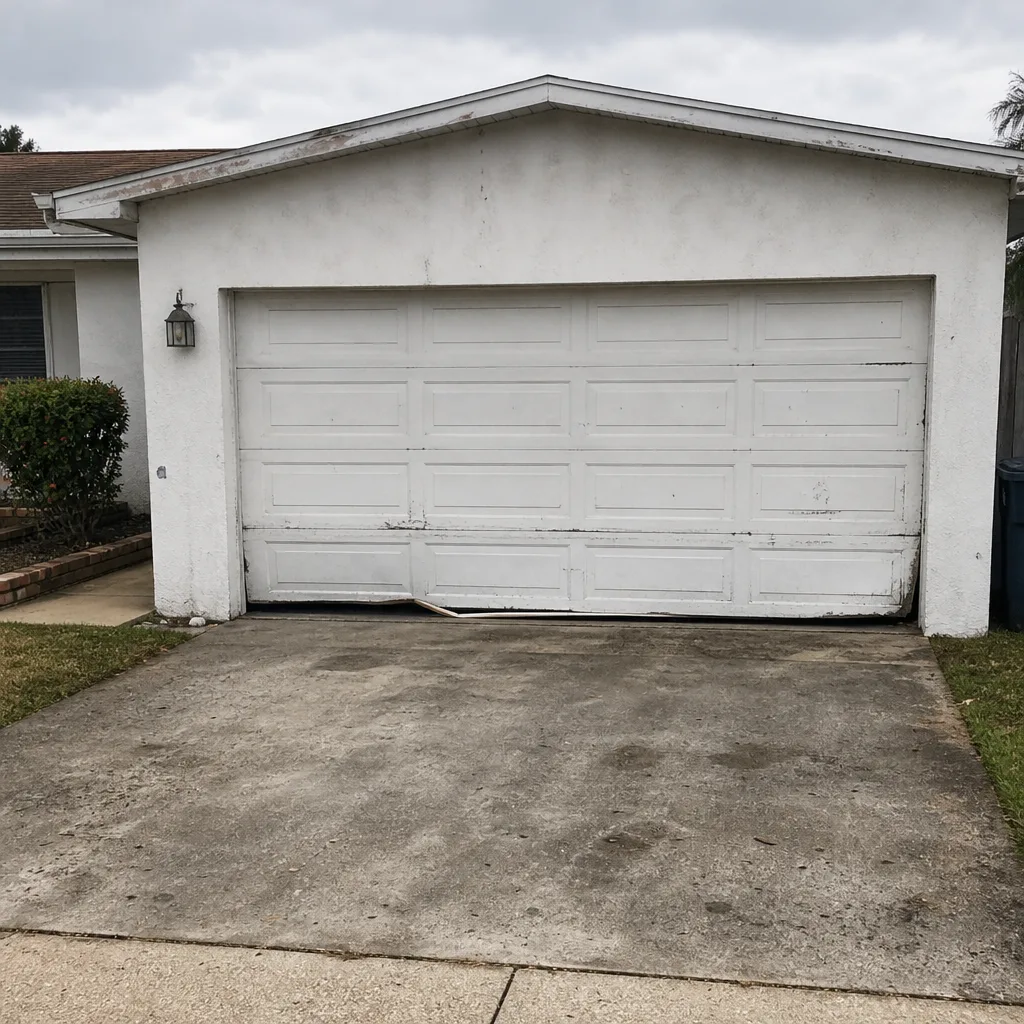 Before
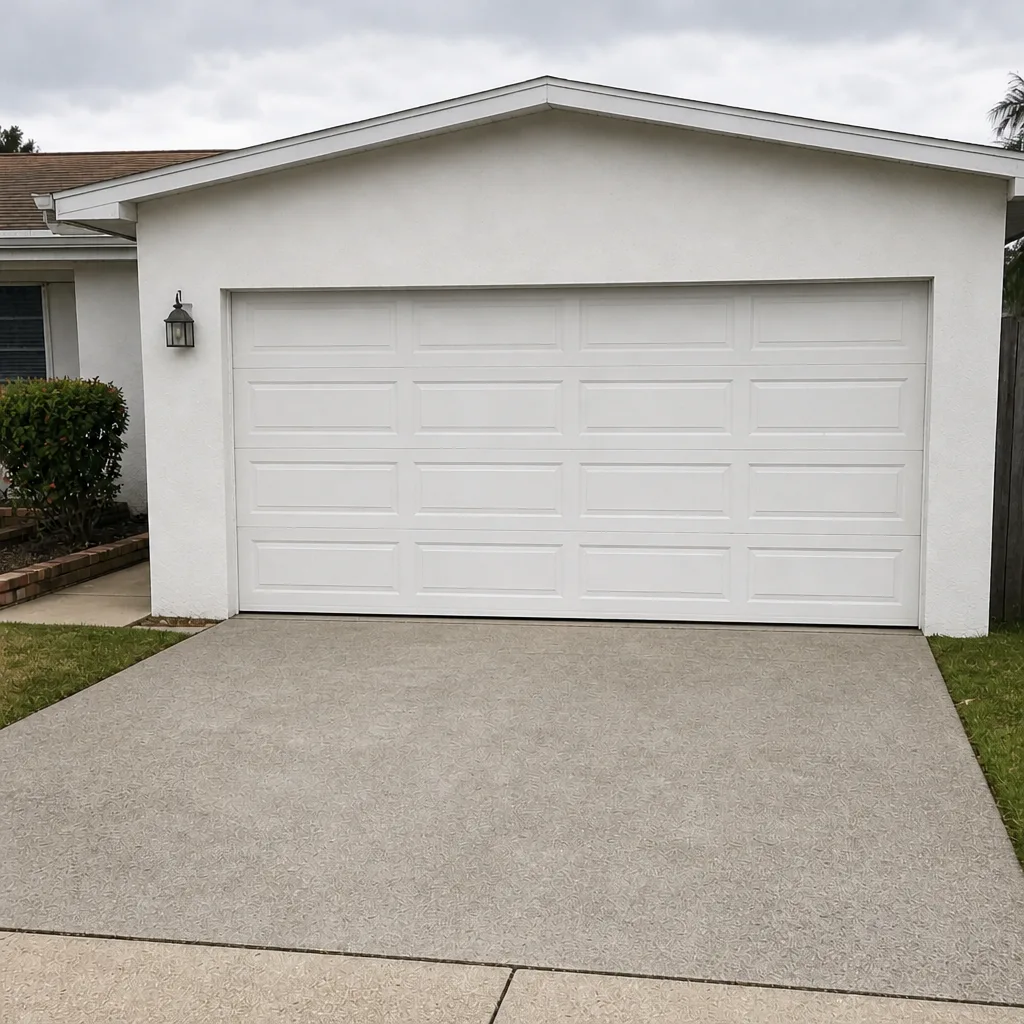 After
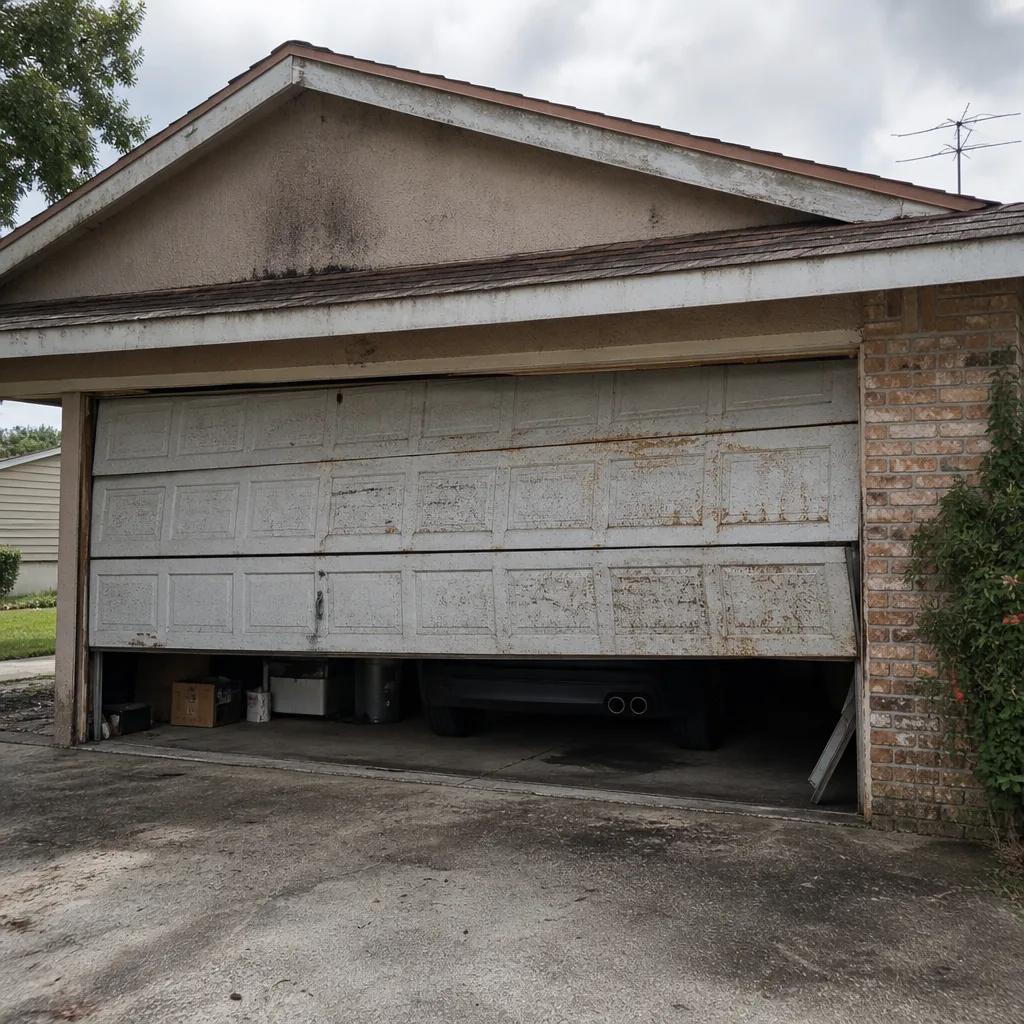 Before
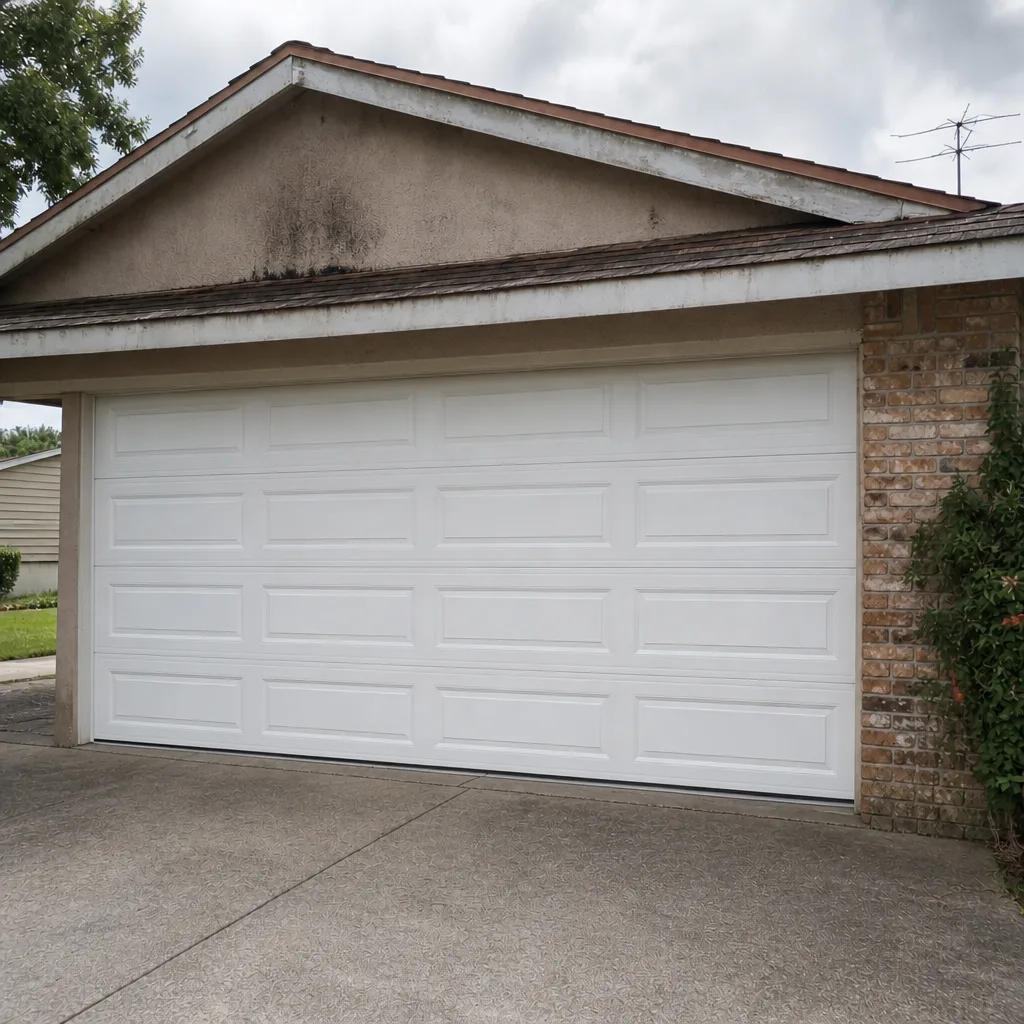 After
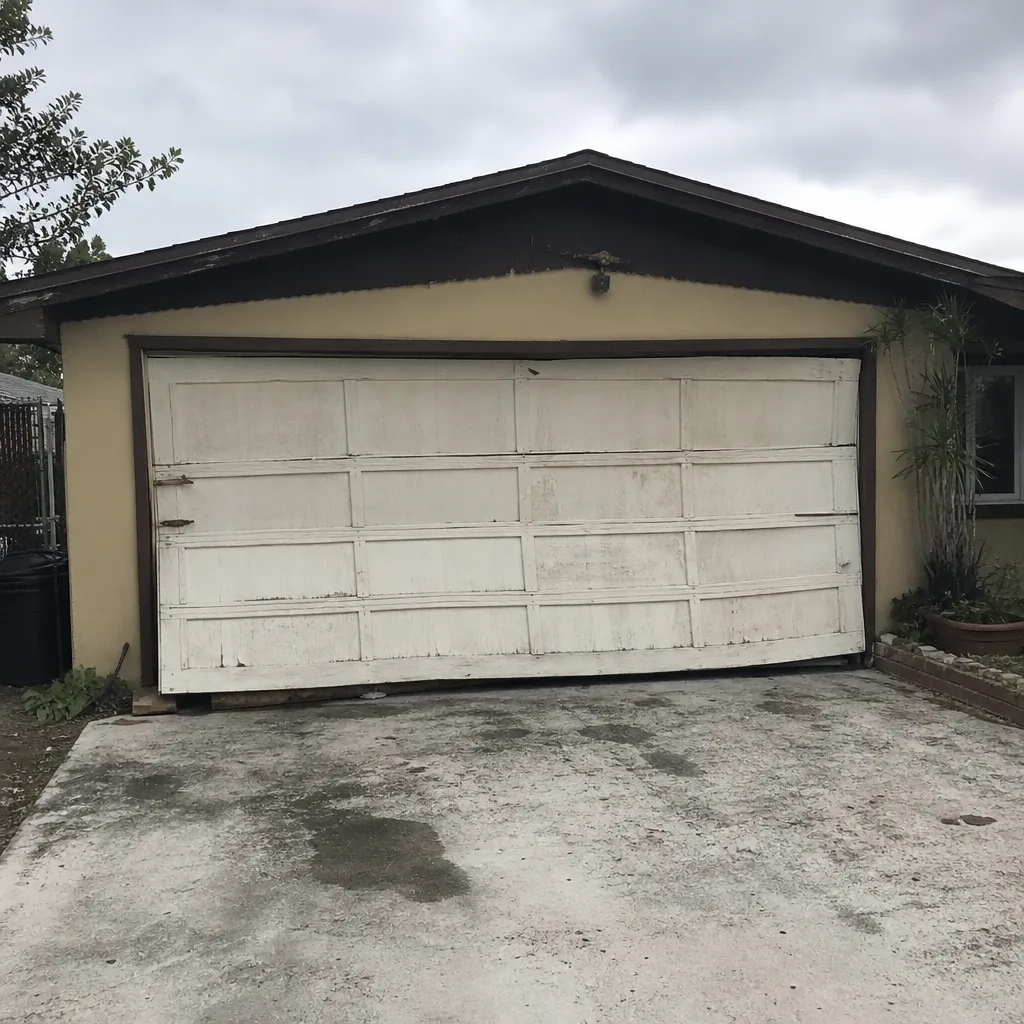 Before
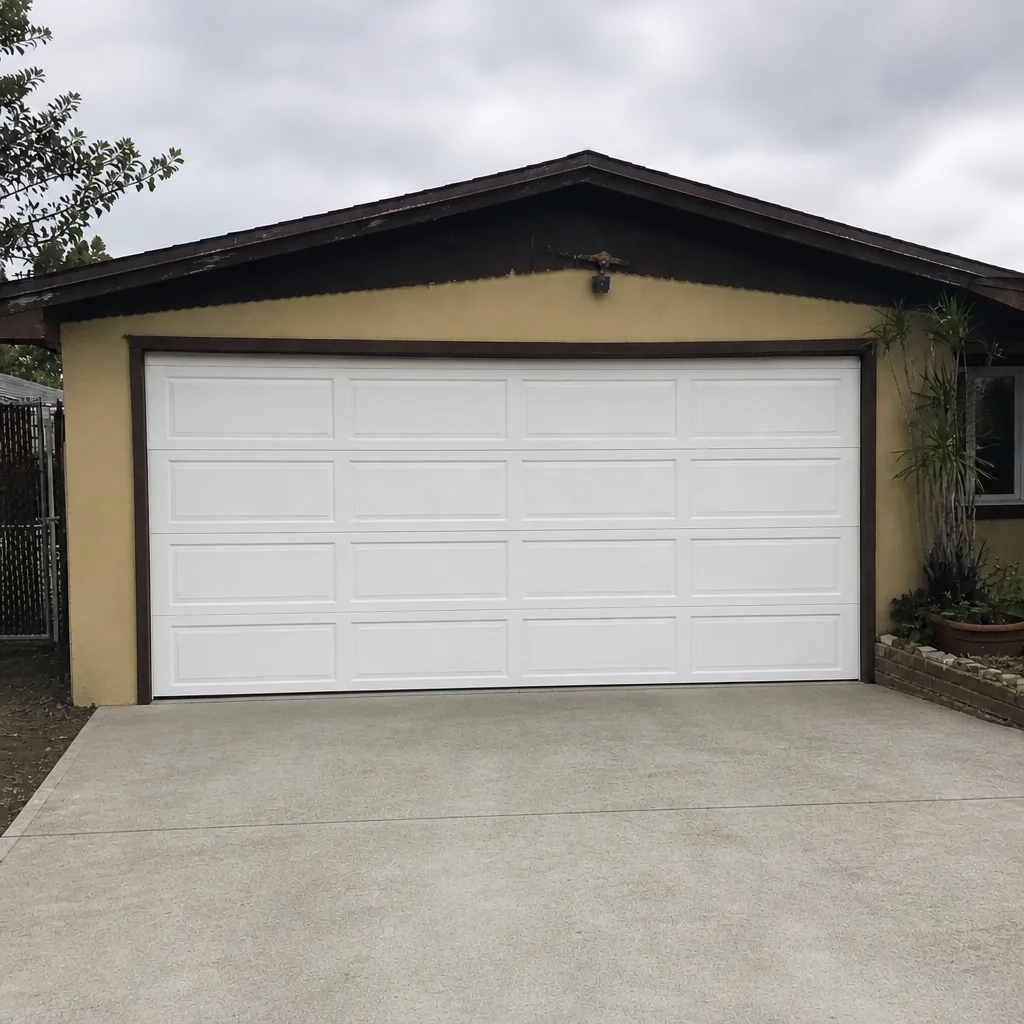 After
When to Call a Professional
Some seasonal tasks are homeowner-friendly: lubricating hinges, wiping down photo eyes, testing the manual release, and touching up paint. Others need a technician. Call a professional if your door won’t open or close, if a spring is visibly corroded or broken, if the tracks are bent or out of alignment, if the door comes off its tracks, or if the opener is making grinding noises or reversing for no reason. Any work around a torsion spring should be handled by a trained technician because the stored energy in a spring can cause serious injury. If a storm leaves your door stuck open, that’s an emergency call. Kendall Garage Door Repair Pros offers free estimates in Kendall, and our technicians have up to 12 years of experience with the brands we service. Call (833) 508-9893 to schedule.
Frequently Asked Questions
Three to four times a year, not the twice-a-year schedule recommended in national guides. Kendall’s heat and humidity break down lubricant faster than cold climates do, so a door lubricated in May and November will have dry hinges by August. Aim for early May, August, November, and February, and use a garage-door-specific lubricant rather than a general spray. If you’re not comfortable lubricating the spring yourself, call (833) 508-9893 for an exact quote on a service visit; estimates are free.
October. It’s not about cold weather; it’s the first month after storm season when you can clearly see what five months of wind, rain, and humidity did to your hardware. Use October to map corrosion, estimate spring wear, and check track alignment so you can plan repairs for the dry months. Call (833) 508-9893 if you’d rather have a technician do the assessment.
No. A bracket that looks fine from a distance can be loose or bent in ways you won’t notice until wind load is on it. Hurricane brackets and reinforcement struts are what hold the door together in a storm, and a loose bolt is a weak point. Walk the door in April and May and tighten or replace anything that’s loose. If you find a problem you’re not sure about, call (833) 508-9893 for a free estimate.
Usually, yes. Increased rattle is a common sign that wind stress has shifted your tracks out of alignment, especially at the top and bottom curves. It can also mean loose hinges or worn rollers. Realigning the tracks is a quick professional job that prevents the wear that comes from running a door on misaligned tracks. Call (833) 508-9893 to get it looked at before it turns into a bigger repair.
Yes. We offer emergency garage door service for situations that can’t wait, like a door stuck open after a storm or a spring that’s broken and left the door unusable. We’re open Sunday through Friday, 7am to 7pm, and closed Saturday. If your door fails on a Saturday, call and we’ll book you for Sunday. Call (833) 508-9893 for help.
We work on LiftMaster, Chamberlain, Genie, Clopay, Amarr, Wayne Dalton, Craftsman, and Raynor systems. That matters in Kendall because a technician who knows your brand’s specific components diagnoses the problem faster and fixes it right the first time instead of guessing. Call (833) 508-9893 for a free estimate on any of those brands.
The Bottom Line
Seasonal garage door care in Kendall isn’t about winterizing; it’s about reading the two seasons we actually have. Prep in April and May with a hurricane bracket check, bottom seal inspection, and manual release test. Respond after every named storm. Use November to assess corrosion, spring wear, and track alignment honestly. And use the dry months to paint, replace weatherstripping, update your opener, and lubricate on a schedule that matches our heat and humidity, not a northern guide. Do that and your door will hold up through storm season and last longer between repairs. If you’d rather hand the checklist to a specialist, call Kendall Garage Door Repair Pros at (833) 508-9893 for a free estimate.
Written by the team at Kendall Garage Door Repair Pros.