Last updated November 23, 2026
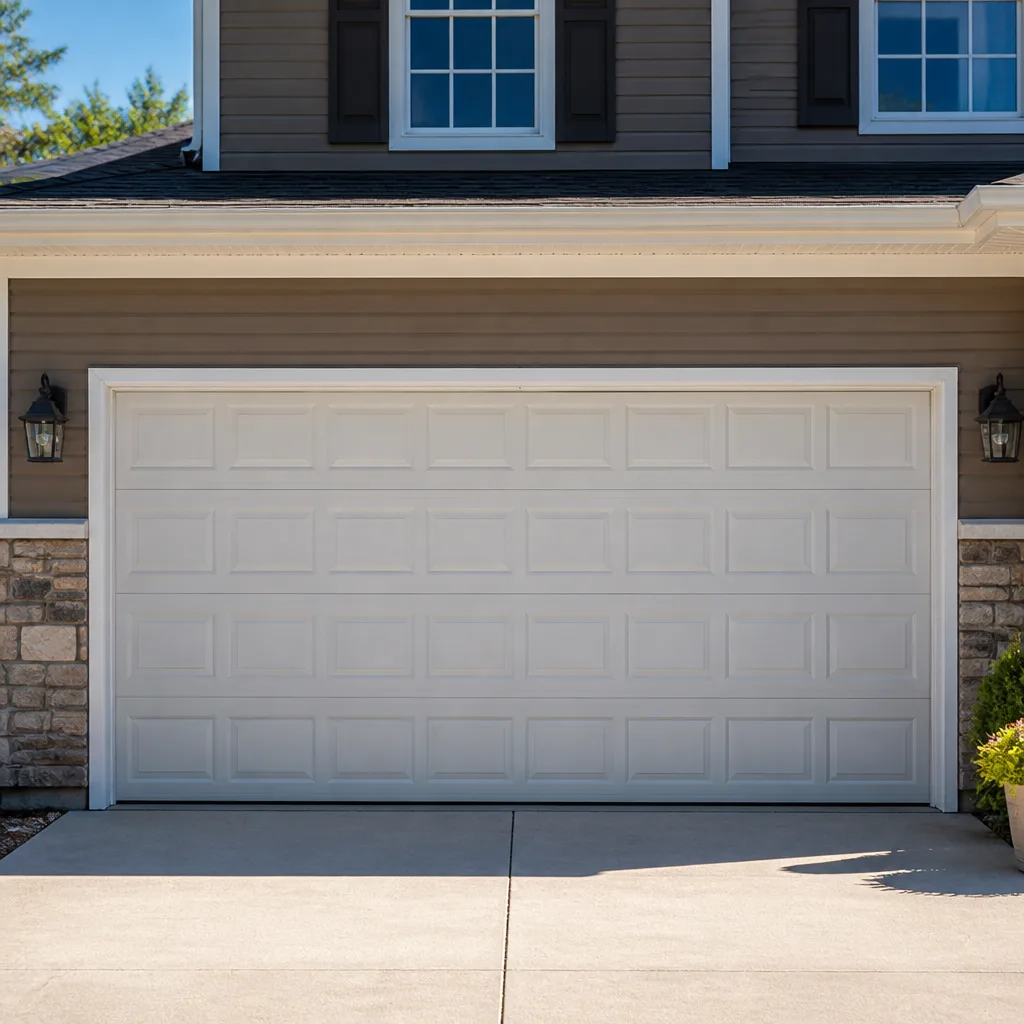 Raised-panel steel
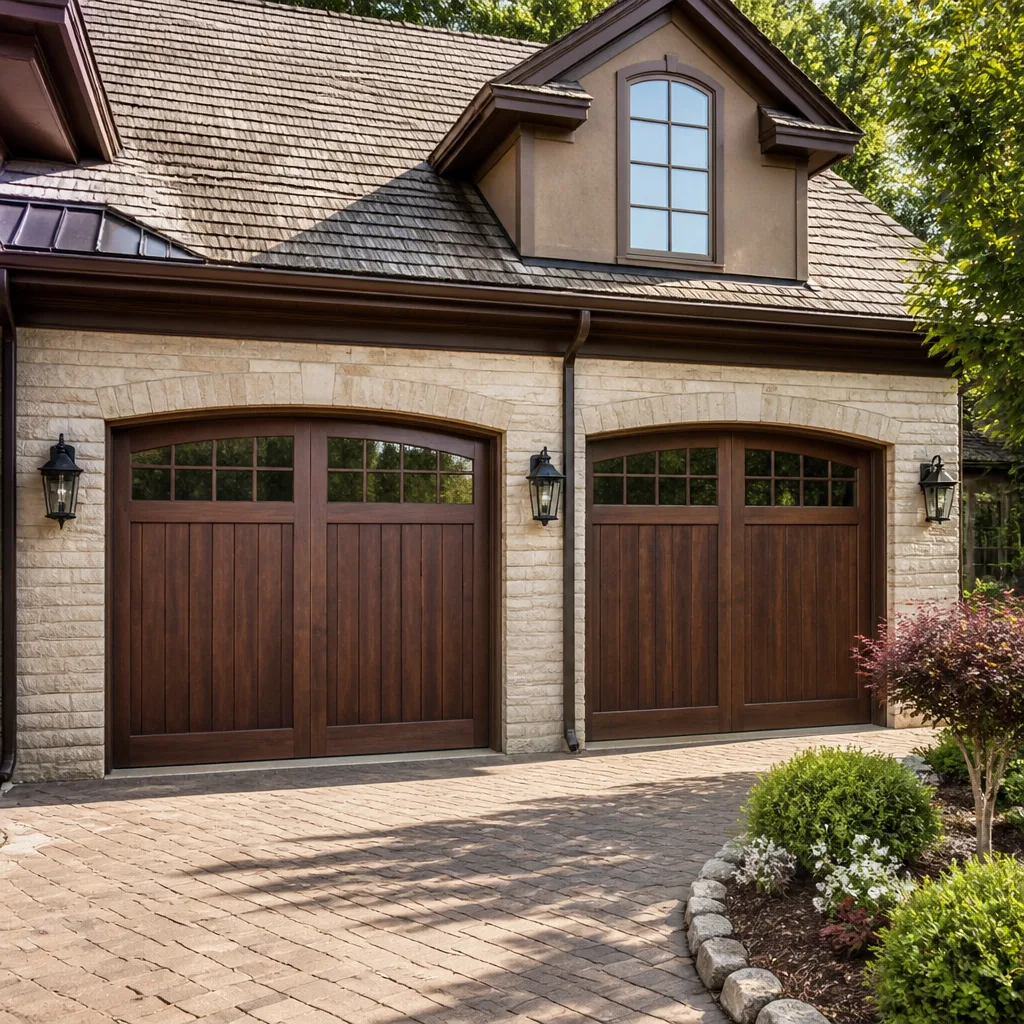 Carriage house
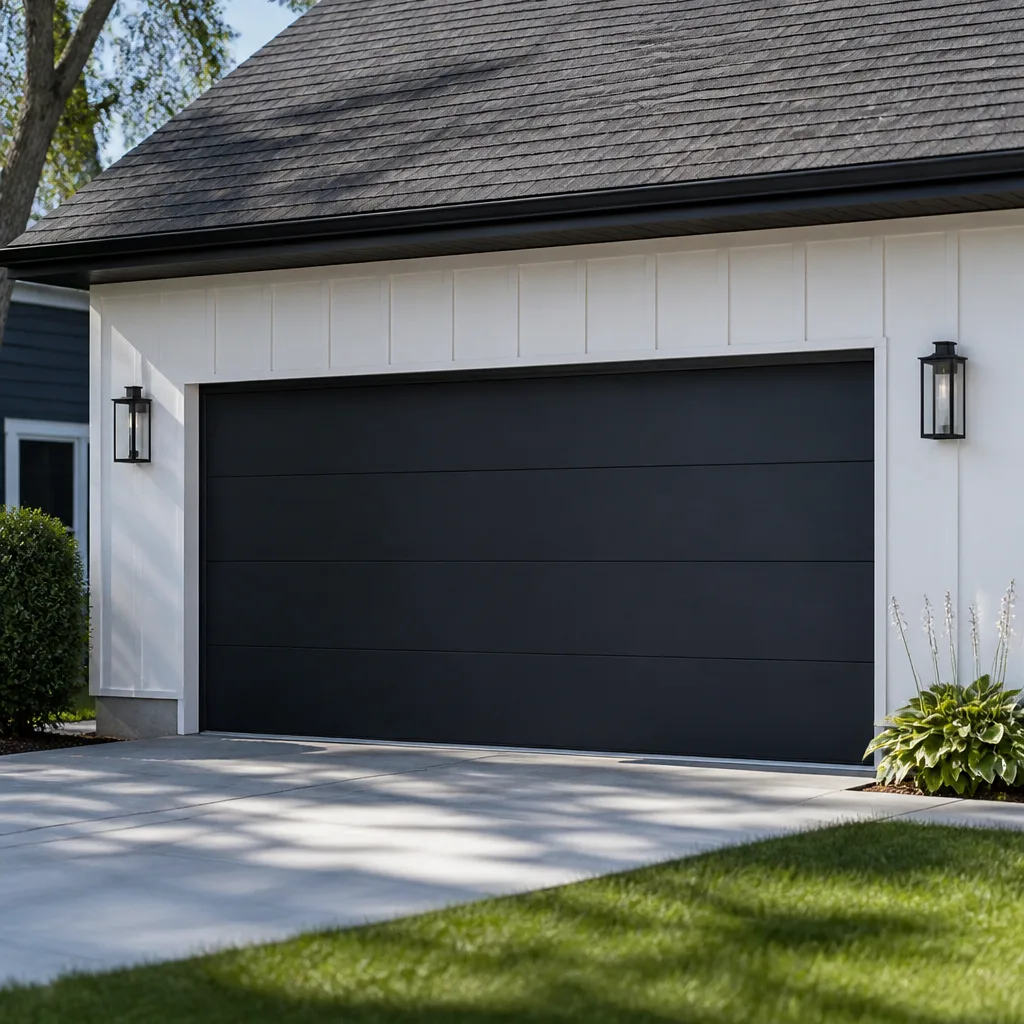 Modern flush
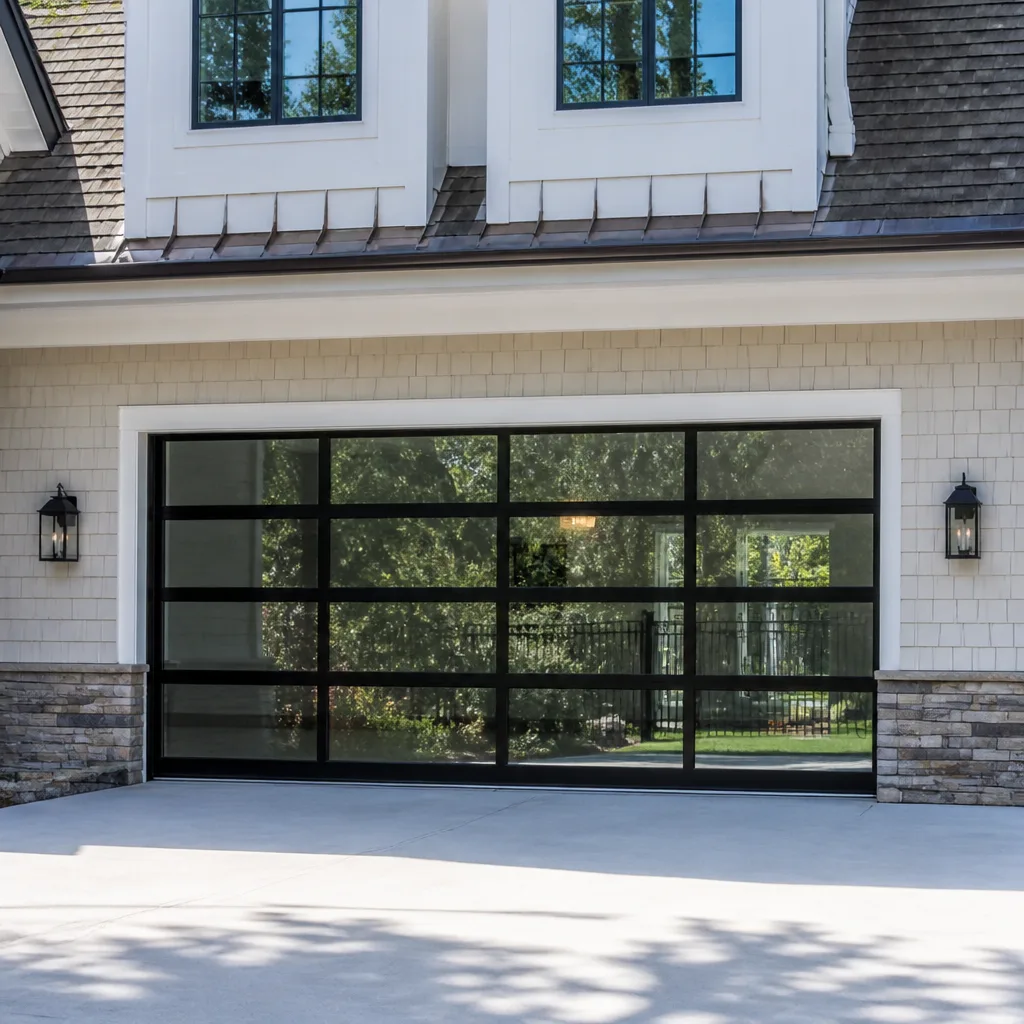 Full-view glass
 LiftMaster openers
 Chamberlain openers
Full 25-point door and opener safety check with every visit - springs, cables, rollers, tracks, and your LiftMaster or Chamberlain opener included
You get a price before we start. It does not change when the pro arrives.
Get your free estimateGarage Door Emergency Preparedness Guide for Kendall Homes
Most garage door emergency advice begins and ends with “pull the red cord.” In Kendall, that advice fails more often than people expect. Humidity works quietly on the release mechanism for years, and when a storm knocks the power out for days, the cord that’s supposed to free the door won’t budge. The failure surfaces at the worst possible moment. This guide covers what actually keeps a garage door usable through a hurricane threat, an afternoon thunderstorm outage, and the messy hours after a storm passes. You’ll learn pre-storm lockdown steps, how to test and lubricate your emergency release so it works when you need it, battery backup versus manual disengage, a post-storm damage check, and how to describe your problem so the right technician arrives with the right parts.
Quick Answer
Emergency garage door preparedness in Kendall means three things: a tested, lubricated emergency release you can actually operate by hand, a plan for operating and securing the door when the power is out, and a pre-storm lockdown routine that braces and locks the door before winds arrive. Battery backup on your opener (such as a LiftMaster 485LM setup) handles short outages, but a manual release that has seized from humidity leaves you locked out of your own garage. Test it before storm season, not during one.
Styles & brands we work with
- Raised-panel steel
- Carriage house
- Modern flush
- Full-view glass
- LiftMaster openers
- Chamberlain openers
Table of Contents
- Why Kendall Garage Door Emergencies Look Different
- Pre-Storm Lockdown: Lock Bars, Bracing, and What “Rated” Really Means
- Keeping Your Emergency Release From Seizing
- Power Outage Operation: Battery Backup vs. Manual Disengage
- Post-Storm Damage Assessment Before You Touch the Button
- How to Describe Your Emergency So the Right Parts Arrive
- When the Emergency Is a Broken Spring
- Common Mistakes to Avoid
Why Kendall Garage Door Emergencies Look Different
Kendall sits in a part of South Florida where two very different emergencies show up at the same door. The first is the hurricane threat: days of warning, then a wind event that tests every seal, track anchor, and panel on the door. The second is the intense afternoon thunderstorm, which arrives with little notice and takes the power with it. Both scenarios expose the same weak point, and it isn’t the door itself. It’s the manual release and the small metal parts that let you operate the door by hand.
Humidity is the reason. The emergency release trolley, the cord, and the disconnect lever live inside a garage that stays warm and damp most of the year. Lubricant dries out, metal corrodes, and the lever that should slide freely starts to stick. Nobody notices because nobody touches it. It only matters on the day the power dies and the car is inside.
Kendall’s housing stock adds to the problem. Plenty of homes in neighborhoods like The Hammocks, Kendale Lakes, and West Kendall have older doors that have been through multiple storm seasons without a release test or a track inspection. Older Clopay and Wayne Dalton doors are common in these subdivisions, and their hardware ages in ways that newer systems don’t. Add the county’s wind-driven rain and the fine debris that comes with it, and you get rollers that drag, hinges that squeak, and a release that binds.
What we’ve learned from emergency calls across Kendall is that the door usually gives warning. A sticking release, a slow opener, a track that hums instead of glides. The preparedness work is about catching those signals before the storm does. A door that operates smoothly in calm weather is far more likely to survive a wind event and function in an outage.
Pre-Storm Lockdown: Lock Bars, Bracing, and What “Rated” Really Means
When a storm is forecast, your garage door becomes the largest opening on the house. Locking it down properly is a physical procedure, not a mindset. Here’s the order that works.
- Engage the manual lock bar or slide lock. Most residential doors have a manual locking mechanism on the inside, usually a sliding bar that drops into the track. Many homeowners never use it because the opener does the locking electronically. When the power fails, the opener releases that lock, and the manual one is the only thing holding the door against pressure. Locate it now, not during a warning.
- Inspect the door’s bracing. Older doors, especially single-panel and some multi-panel models, may have horizontal reinforcement struts across the back. If yours don’t, a technician can advise whether bracing is appropriate for your door’s construction. Don’t improvise with lumber or brackets; a poorly attached brace becomes a projectile.
- Check your door’s label. Hurricane-rated doors carry a label from a testing body. “Rated” and “tested” are different things. A tested door was evaluated to a standard; a rated door carries a stated design pressure rating that should match or exceed what your home’s location requires. If you can’t find a label, ask your city’s building department what documentation applies to your address rather than guessing.
- Clear the tracks and the floor. Debris in the track turns into a jammed door when wind pressure flexes the panels. Sweep out the tracks and remove anything stored against the door.
- Disconnect nothing yet. Leave the door on the opener until power is actually lost or you’re told to shut it down. A door run partway is more vulnerable than one fully closed.
The point of lockdown is to make the door a solid part of the building envelope. In Kendall, where a storm can intensify over a weekend, doing this in calm weather removes the guesswork. If you’re unsure whether your door is rated or how it should be braced, that’s a conversation worth having before the season, not during a warning.
Keeping Your Emergency Release From Seizing
The emergency release is a trolley disconnect: a lever and cord that separate the door from the opener so you can lift it by hand. It’s the single most neglected part on the entire system. Humidity seizes it slowly, and the failure only shows up when you pull the cord and nothing happens.
Testing it is a two-person job on most doors, and it should happen once a year, ideally before storm season. Here’s the routine we recommend:
- With the door fully closed and the opener disengaged from any active cycle, pull the release cord firmly. You should hear and feel the trolley click free.
- Lift the door by hand about a foot. It should move with steady resistance, then hold position when you let go. A door that drops or feels unusually heavy has a spring or balance problem, and you should stop and call for garage door spring repair rather than forcing it.
- Lower the door, then pull the cord again to re-engage the trolley. Run the opener through one full open-and-close cycle to confirm it reconnected cleanly.
- Lubricate the trolley lever, the pivot points on the release arm, and the track where the trolley travels. A garage-door-specific lubricant works better than general-purpose oil, which attracts dust.
Brand details matter here. LiftMaster and Chamberlain openers use a similar trolley design, and their release levers benefit from a light application at the pivot and at the trolley carriage. Genie models vary more by vintage; older chain-drive units have a release mechanism that can bind at the trolley arm if the arm has bent over time. Knowing which model you have before you start saves time and prevents damage. If your opener is a LiftMaster or Chamberlain and you’d rather have it checked properly, our garage door opener repair service covers the release and the operator together.
The red cord itself is a weak point in humid climates. Nylon cords fray and stiffen. If yours looks chalky or feels rigid, replace it before storm season. A release you can’t reach or pull is the same as no release at all.
Power Outage Operation: Battery Backup vs. Manual Disengage
When the power goes out in Kendall, the question is simple: can you get the car out, or is the door stuck? The answer depends on whether your opener has battery backup.
Battery backup is the cleaner option. A LiftMaster 485LM battery backup, for example, keeps the opener running for a limited number of cycles when the power drops, so the door opens and closes normally. That’s the difference between a minor inconvenience and a locked-in car. If your opener supports backup, keep the battery fresh and check it once a year. Battery backup buys you door cycles, not unlimited operation, so don’t plan to run the door dozens of times on battery alone.
Without backup, you’re using the manual disengage protocol. Here’s the sequence:
- Pull the emergency release cord to disconnect the door from the opener. Do this with the door fully closed.
- Lift the door by hand to the height you need. On a properly balanced door, this takes moderate effort.
- Once the car is out or in, lower the door fully by hand.
- Secure the garage. With the door disconnected, the opener’s lock is inactive, so engage the manual lock bar or slide lock to hold the door closed. If your door has no manual lock, a track clamp or a dedicated door lock is worth considering.
- When power returns, pull the release cord again to re-engage the trolley, then cycle the opener once to confirm connection.
If a door fails this process, or the release won’t engage, that’s an emergency in the practical sense: the door can’t be secured and the car can’t leave. Our Kendall Garage Door Repair Pros team handles emergency calls for exactly this, with brand-specific knowledge of the release and trolley systems on LiftMaster, Chamberlain, Genie, and the other manufacturers we work on.
Post-Storm Damage Assessment Before You Touch the Button
After a storm passes, the instinct is to hit the opener. Don’t. A door that took wind pressure or debris impact can have a bent track, a shifted frame, or a panel that’s no longer square. Running the opener on a damaged door can turn a repairable problem into a full replacement, and in the worst case it can send the door off its track.
Do a visual pass first, from a safe distance and with the door left closed:
- Tracks: Look for bends, dents, or separation from the wall brackets. A track that has pulled away from its mounting needs professional attention before the door moves.
- Panels: Check for dents, creases, or gaps between panels. Impact damage often reveals itself as a panel that no longer sits flush.
- Springs and cables: Cables should be taut and evenly wound around their drums. A slack cable or a visibly broken spring means the door is unsupported. Do not attempt to lift the door or touch the cables.
- Weather seal: A torn bottom seal lets wind-driven rain in, and in a storm that matters.
- Frame and jambs: Look at the opening itself. If the frame has shifted, the door may be pinched even if it looks fine.
If the visual pass is clean, run the door one cycle and listen. Grinding, scraping, or a door that hesitates means stop and call. For anything more than a minor adjustment, this is a job for garage door repair with a technician who can assess the frame, track, and spring balance together.
How to Describe Your Emergency So the Right Parts Arrive
The difference between a fast fix and a second visit is often the phone call. A technician who knows the brand, model, and symptom before leaving can bring the right trolley, release assembly, or opener part. Here’s what to have ready when you call.
- Brand and model. The opener label is usually on the motor housing or the back of the unit. Note the manufacturer (LiftMaster, Chamberlain, Genie, Craftsman, and so on) and the model number if it’s legible.
- The door type and material. Steel, aluminum, wood, single-panel or sectional. If the door is a Clopay or Amarr, note what you can. This tells the technician what hardware and seals are likely involved.
- The exact symptom. “The door won’t move” is less useful than “the opener hums, the door doesn’t move, and the release cord is loose.” Describe what happens when you press the button, and what happens when you pull the manual release.
- What changed. A storm, an outage, a loud noise, a door that was hit by debris. Timing points to the cause.
- Safety status. Is the door stuck open, stuck closed, or off its track? If a spring is broken or a cable is loose, say so. That changes how the technician approaches the job.
We work on LiftMaster, Chamberlain, Genie, Clopay, Amarr, Wayne Dalton, Craftsman, and Raynor equipment, so the brand information you give us translates into a prepared technician. Our technicians have up to 12 years of experience, and the brand-specific details are exactly the kind of thing that makes the first visit count. The first step for any non-emergency assessment is a free estimate.
When the Emergency Is a Broken Spring
Not every garage door emergency starts with a storm. A torsion spring can snap on an ordinary afternoon, and the sound is unmistakable: a sharp bang followed by a door that won’t open or hangs heavy. Springs are under extreme tension. They are the one part of the system you should never attempt to replace yourself, and the reason is simple. A single wrong move during spring work can cause serious injury.
What to do if you suspect a broken spring:
- Don’t try to open the door. If the spring is broken, the opener or your arms are lifting the entire door weight.
- Don’t touch the cables. A loose cable under tension can whip.
- Leave the door closed and call for service. A trained technician has the tools and the knowledge to release tension safely.
Spring pricing varies with the door and the spring type. A single torsion spring replacement typically falls in a modest range, and a matched pair replaced together costs roughly twice a single spring. The written estimate sets the final price, so ask for a clear breakdown before work starts. In Kendall, where doors run daily and humidity accelerates wear on the metal, this is one of the most common calls we handle. Spring work is a specialization, and it’s one we take seriously. If a spring is the problem, call (833) 508-9893 and we’ll talk through what to expect before anyone touches the door.
Common Mistakes to Avoid
- Assuming the red cord will work. The release seizes quietly in humid weather, and the failure only shows up during an outage. Test it every year and lubricate the moving parts, or you’ll be pulling a cord that does nothing.
- Running a damaged door. After a storm, a bent track or a shifted frame isn’t always obvious until the opener moves the door. Do the visual pass first, then one test cycle.
- Skipping the manual lock. When the door is disconnected from the opener, the opener’s lock is gone. A manual lock bar or track lock is what keeps the door secure during an outage, and it’s the step most owners forget.
- Forcing a door with a broken spring. If the door feels heavy or won’t hold position, stop. Forcing it risks injury and turns a spring replacement into a door replacement.
- Relying on the opener’s battery as a long-term plan. A backup battery runs a limited number of cycles. It gets you through a short outage, not a multi-day one, so pair it with a tested manual release.
- Calling without brand and model details. The brand and model number are what let a technician arrive with the right part. Without them, the first visit is often a diagnosis, not a fix.
- Improvising storm bracing. Fastening lumber or brackets to a door you don’t understand can do more harm than good. Ask a technician what your door actually needs, and check with your city’s building department on the documentation applicable to your address.
See the difference
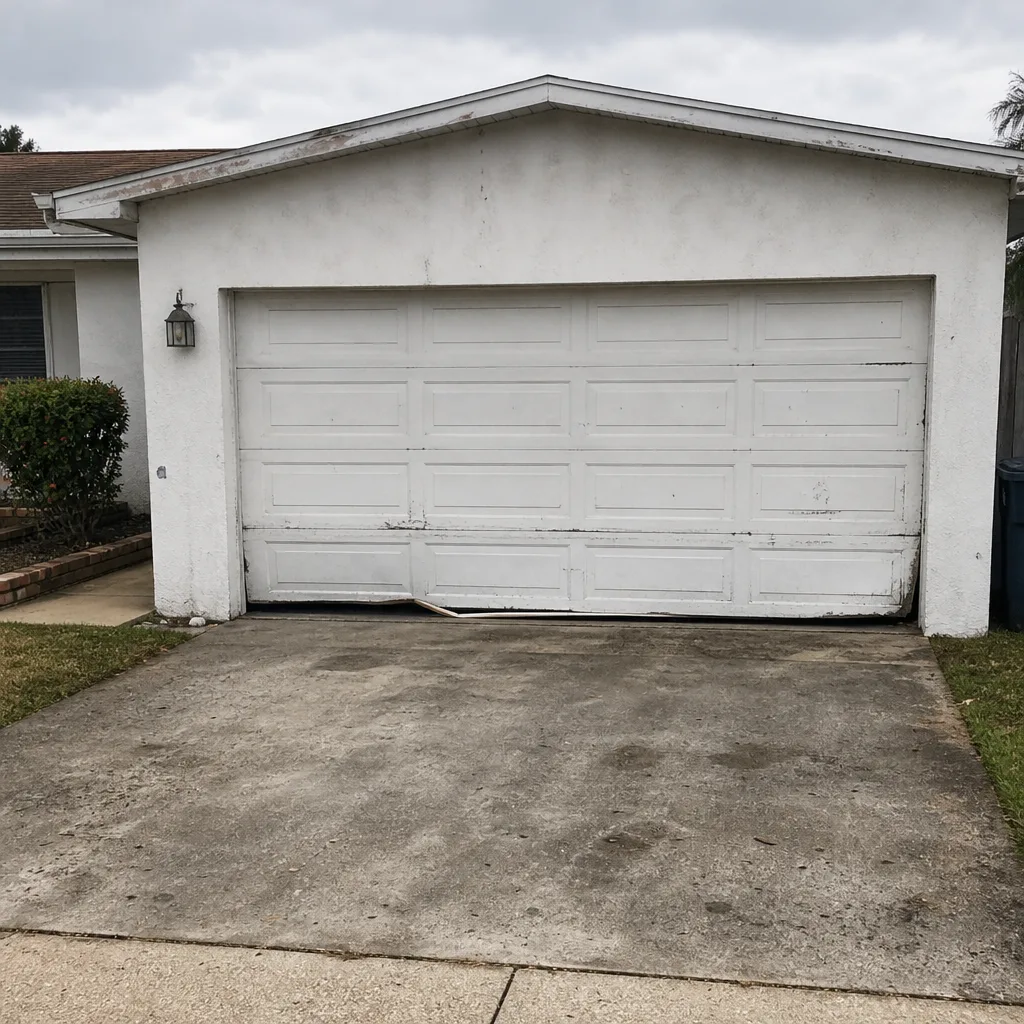 Before
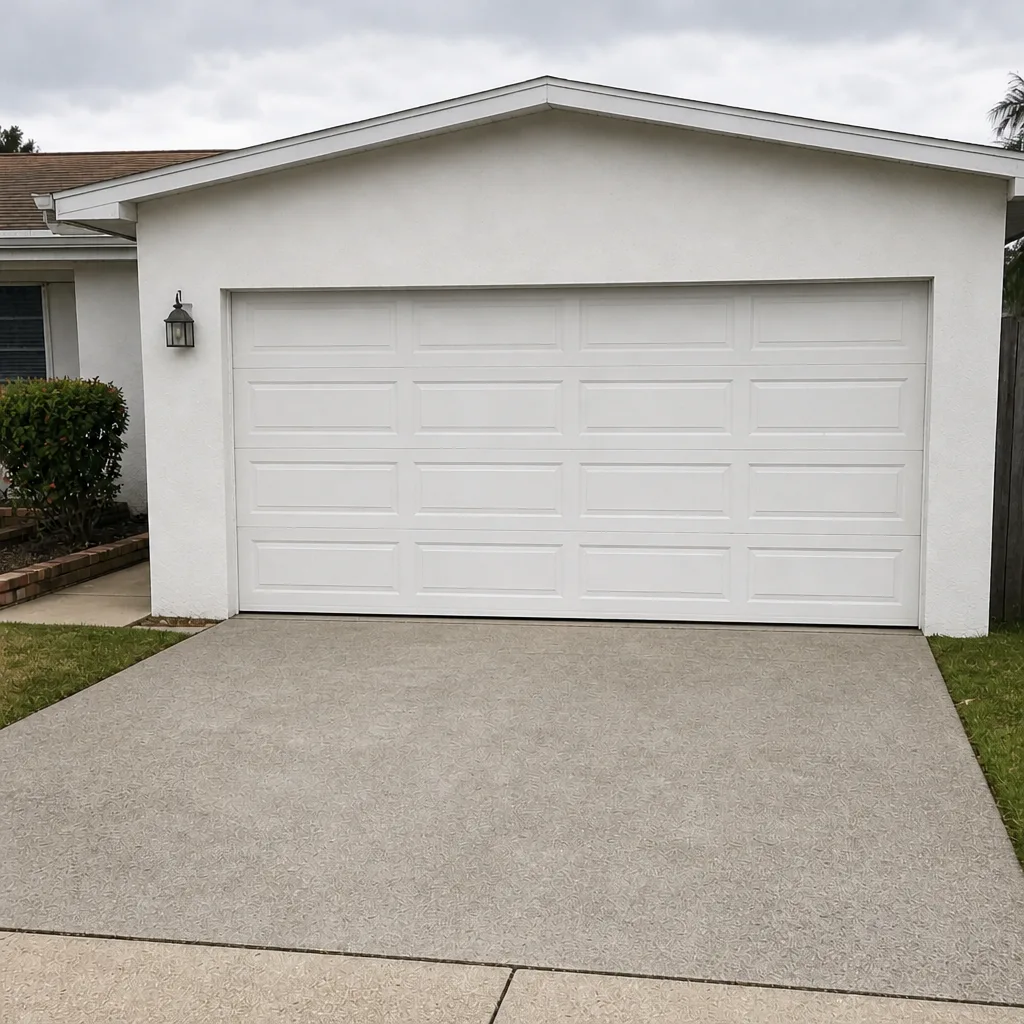 After
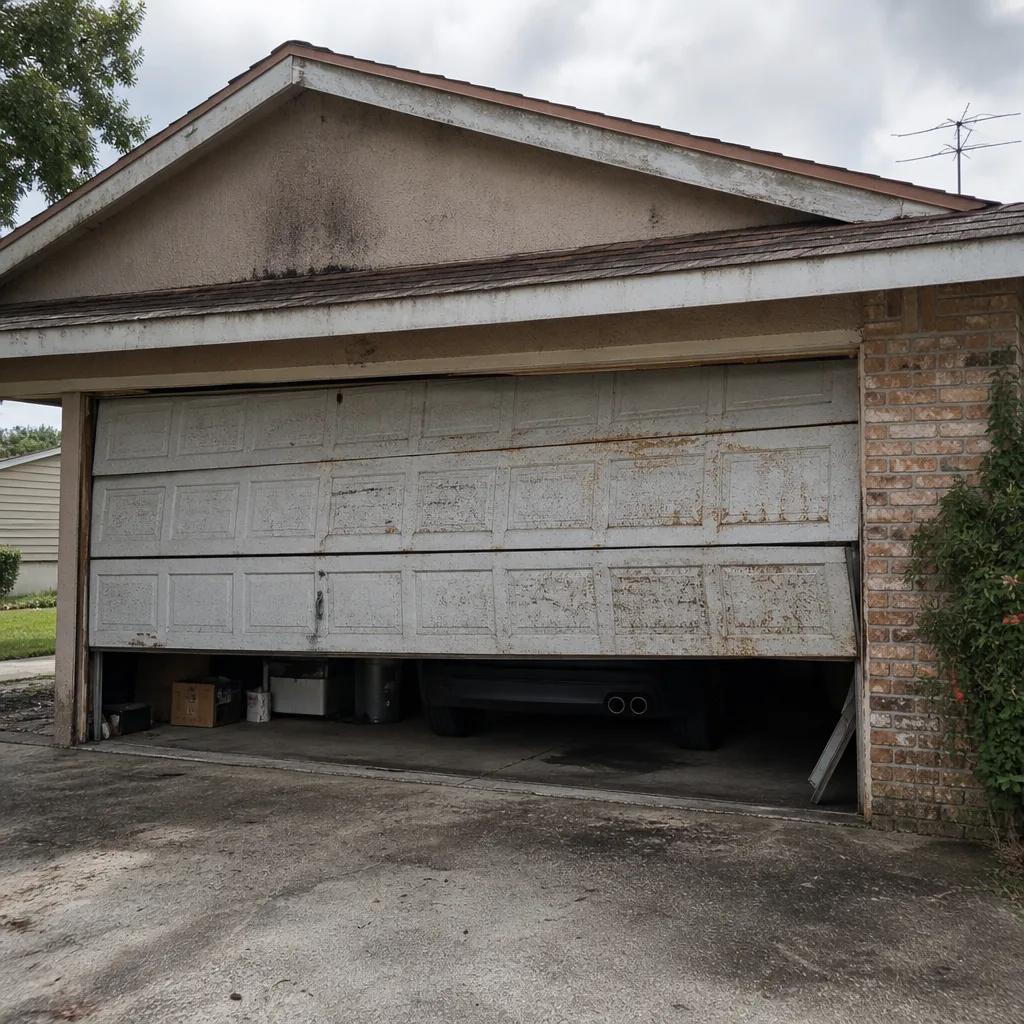 Before
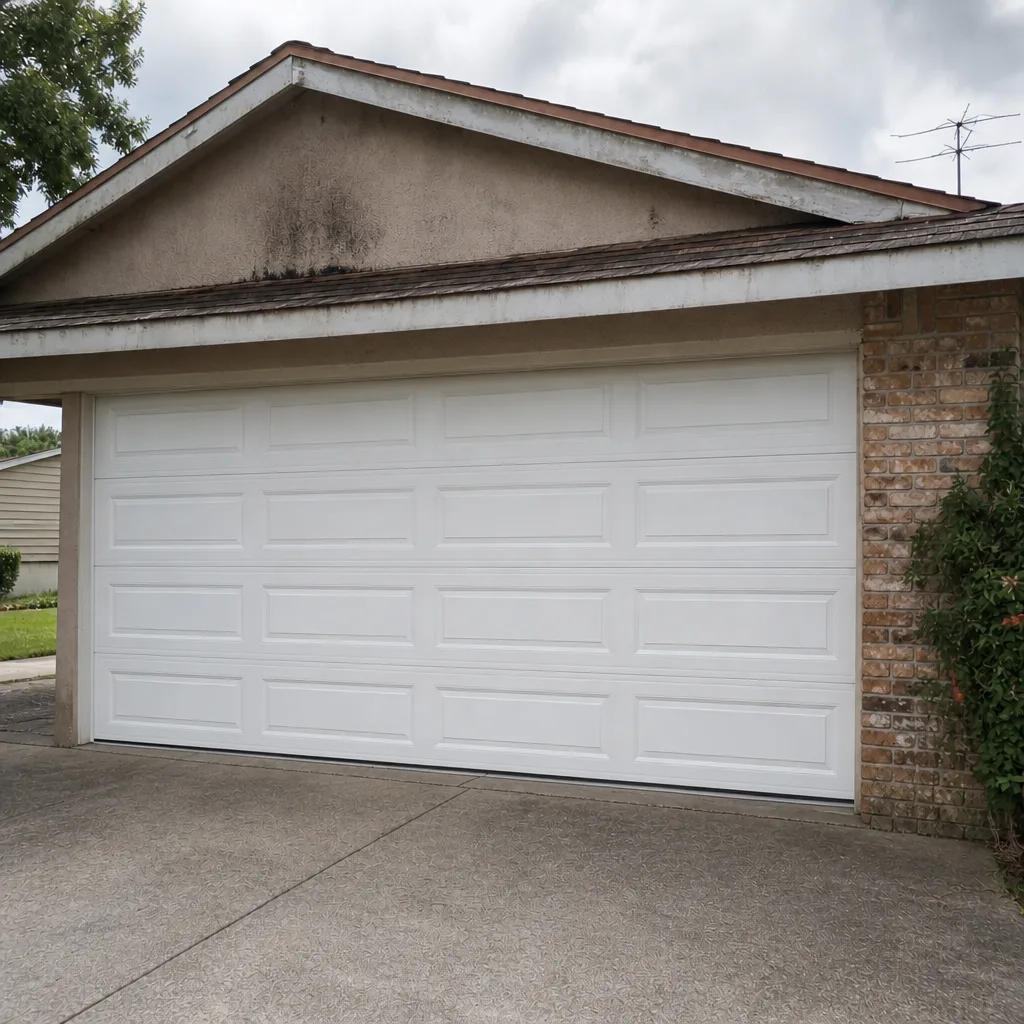 After
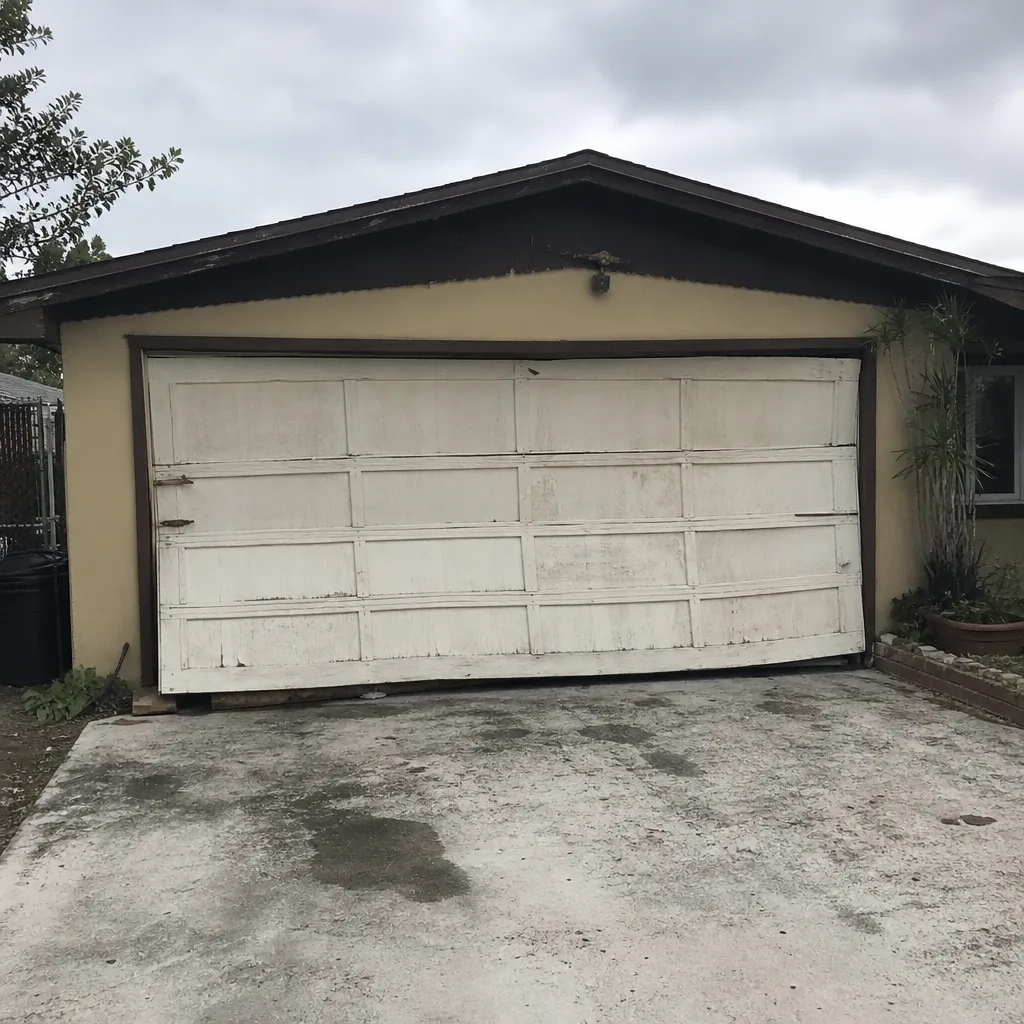 Before
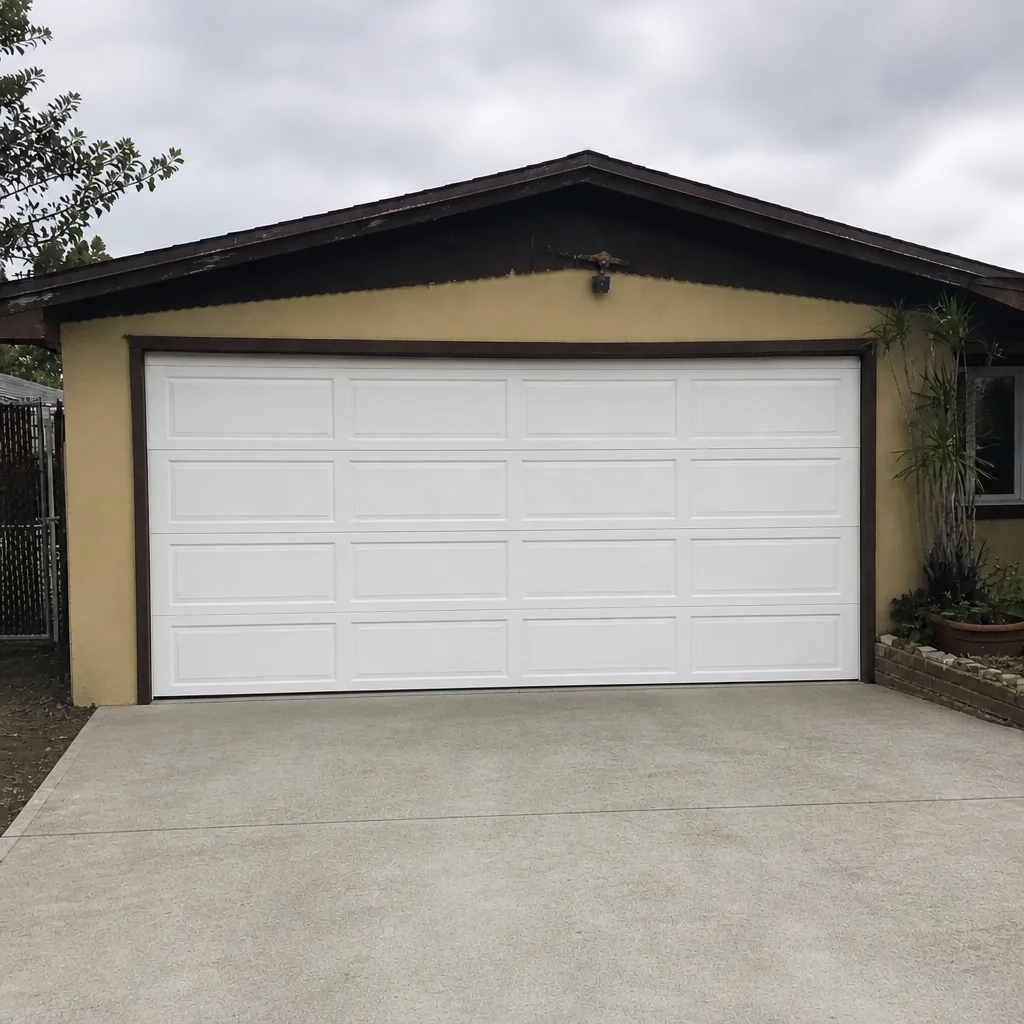 After
When to Call a Professional
Some garage door problems are a maintenance item. Others are a call for help. Call a professional when the door won’t open or close at all, when the release cord won’t engage, when the door comes off its track, when a spring is visibly broken, or when a storm has left the frame or track in question. Call if the opener runs but the door doesn’t move, or if the door reverses or stops partway. And call if you’re not sure: a technician can tell you in minutes whether it’s a quick adjustment or a repair. Kendall Garage Door Repair Pros offers free estimates in Kendall. Call (833) 508-9893 and we’ll help you sort out what’s happening and what it takes to fix it. Our focus stays on garage doors: springs, openers, panels, and full installations, and nothing else.
Frequently Asked Questions
Engage the manual lock bar, check that the door is fully braced, clear the tracks and floor, and confirm the door closes flush with the opening. Do this before a storm warning, not during one. If you’re unsure whether your door is rated or how it should be braced, ask your city’s building department and a garage door technician before the season starts. Call (833) 508-9893 for a free estimate if the door needs service first.
The trolley release has likely seized from humidity and lack of use. The lever, pivot, and track points need lubrication and an annual test. If it won’t engage by hand, don’t force it; a technician can free or replace the release assembly. Call (833) 508-9893 and describe what happens when you pull the cord.
Yes, if the manual release is working. Pull the cord to disconnect the door from the opener, lift it by hand, and use the manual lock when the door is closed again. If your opener has a battery backup installed, the door should operate normally for a limited number of cycles. Call (833) 508-9893 if the release won’t engage.
A battery backup helps during short outages, which are common with afternoon thunderstorms. It runs a limited number of cycles, so it complements a working manual release rather than replacing it. If your opener supports a backup battery, keep it fresh and check it once a year. Call (833) 508-9893 to discuss your opener’s options.
Only after a visual check. Look for bent tracks, shifted frames, loose cables, or damaged panels before running the opener. If anything looks off, leave the door closed and call for repair. Running a damaged door can turn a fix into a replacement. Call (833) 508-9893 for an assessment.
Give the brand and model of the opener, the door type, the exact symptom, what changed, and whether the door is stuck open or closed. That information lets a technician arrive with the right parts. We work on LiftMaster, Chamberlain, Genie, Clopay, Amarr, Wayne Dalton, Craftsman, and Raynor equipment. Call (833) 508-9893 for a free estimate.
The Bottom Line
Garage door emergency readiness in Kendall comes down to a short list of habits. Test and lubricate the emergency release every year so it works when the power dies. Know whether your opener has battery backup and how to disengage the door by hand. Do a pre-storm lockdown that includes the manual lock bar and a look at your door’s bracing. After a storm, check the tracks, springs, cables, and frame before pressing the button. And when you call for help, give the brand, model, and symptom so the right parts come with the technician. None of this is complicated. It’s just easier to do before the storm than during it.
If your door needs a repair, a spring replacement, or a full check before storm season, we’re here. Our services cover garage door repair, opener work, spring service, panels, and new installations, all under one garage-door-only team. Call (833) 508-9893 for a free estimate. An exact written quote comes before any work starts, so you’ll know the price before we begin.
Written by the team at Kendall Garage Door Repair Pros.