Last updated November 23, 2026
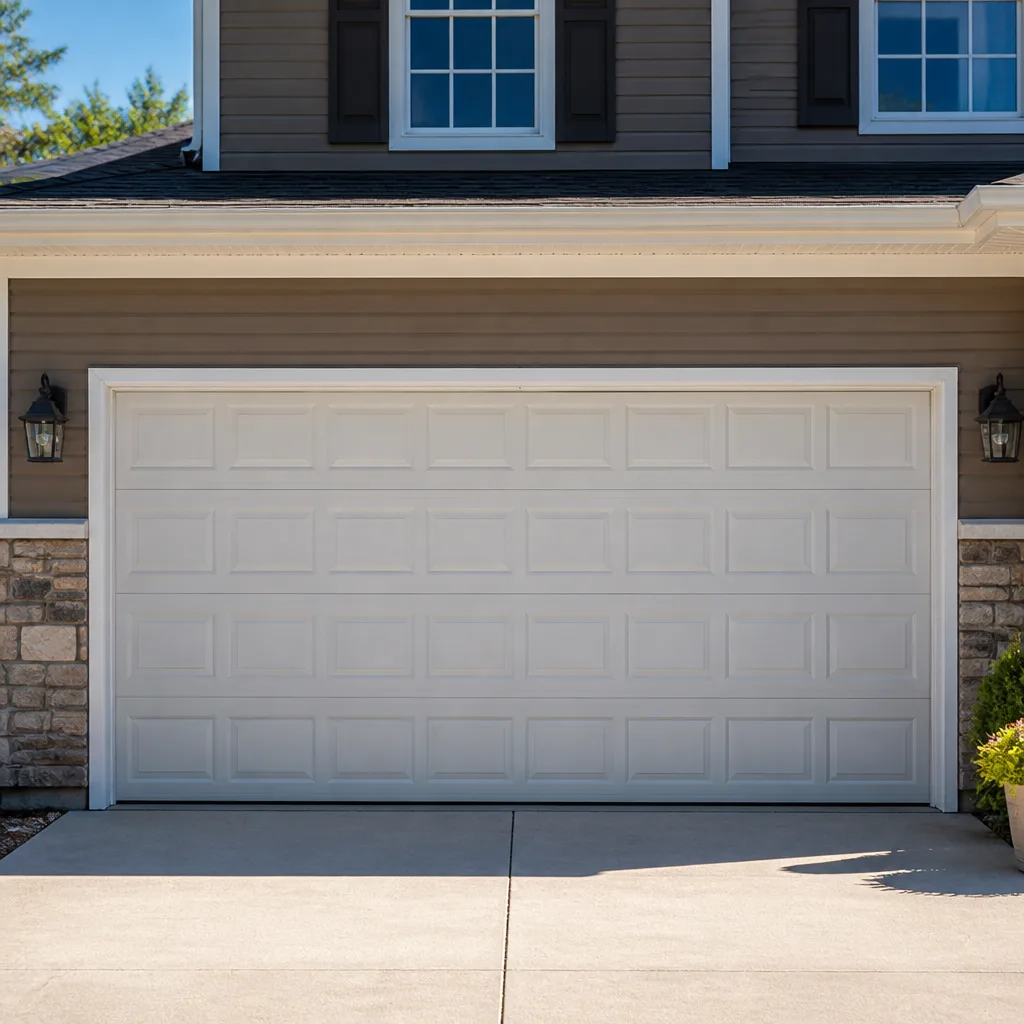 Raised-panel steel
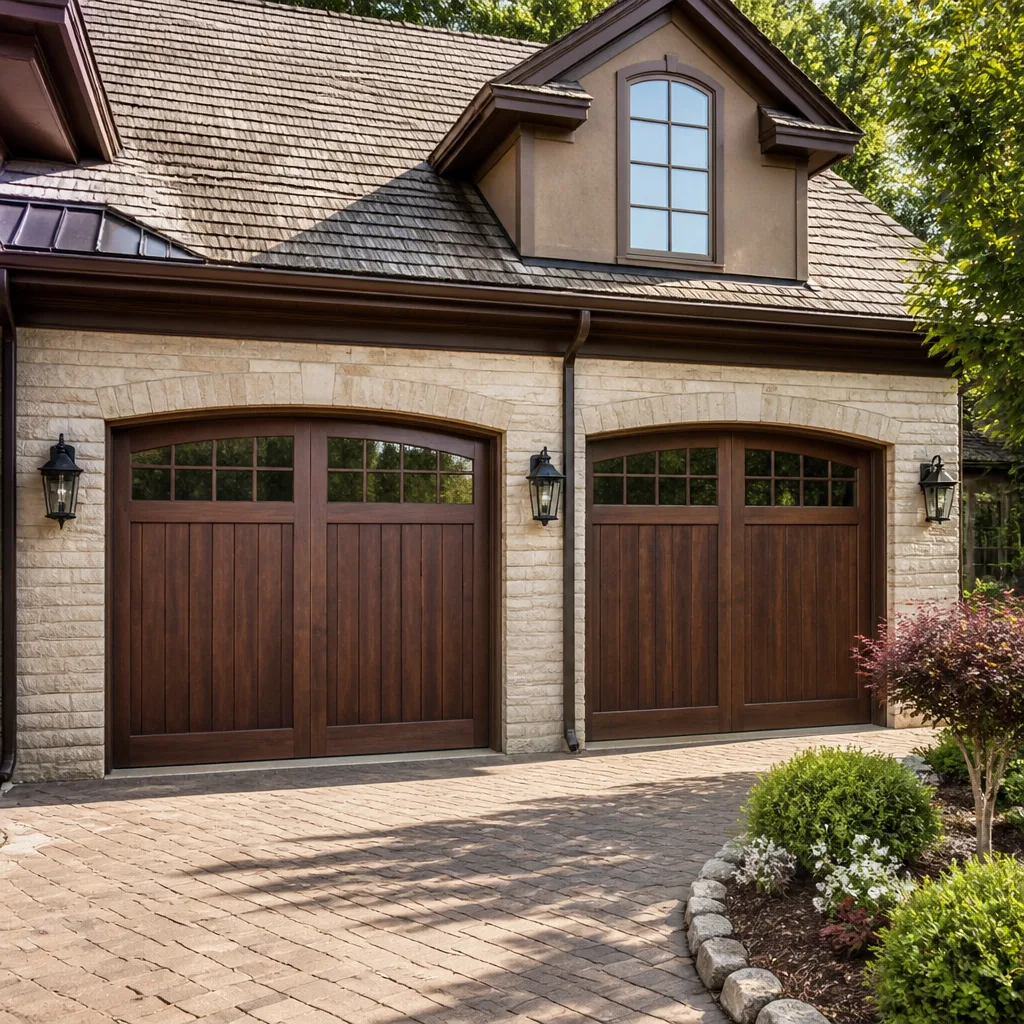 Carriage house
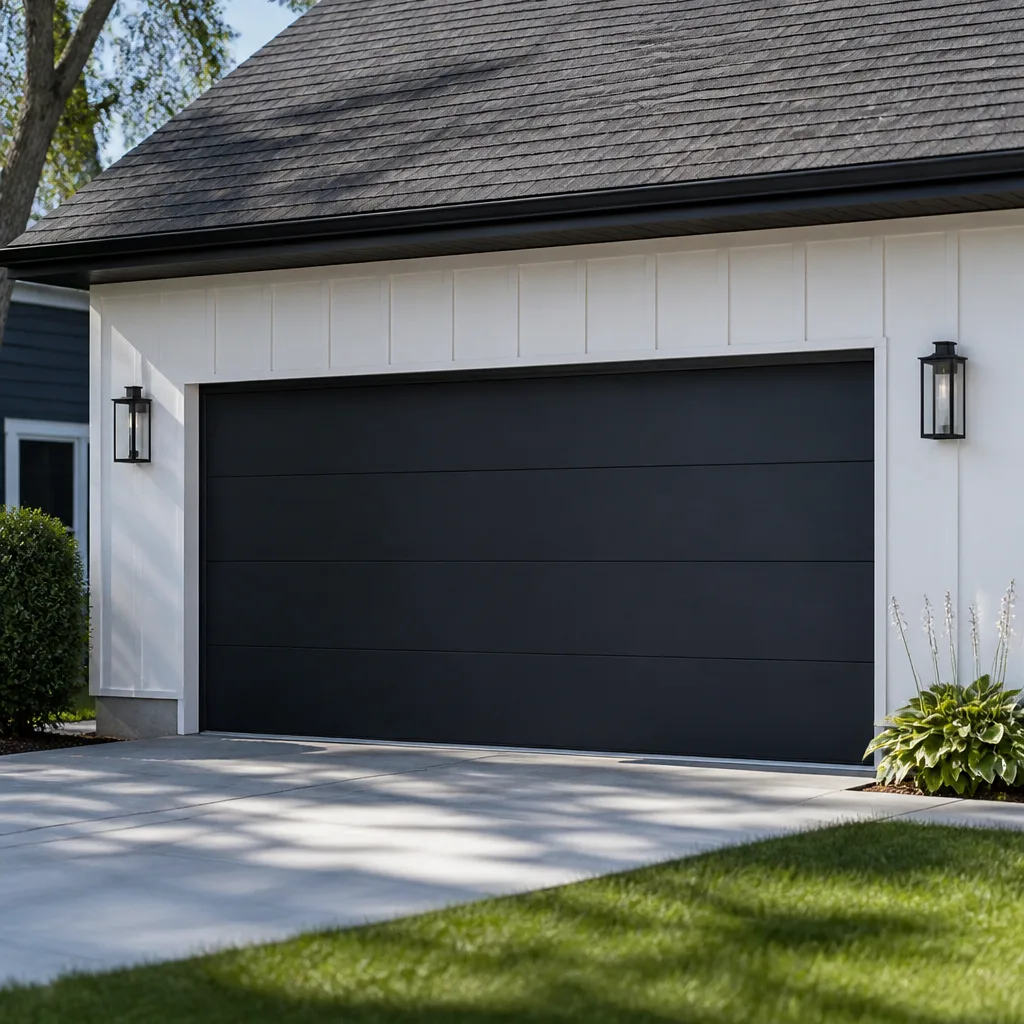 Modern flush
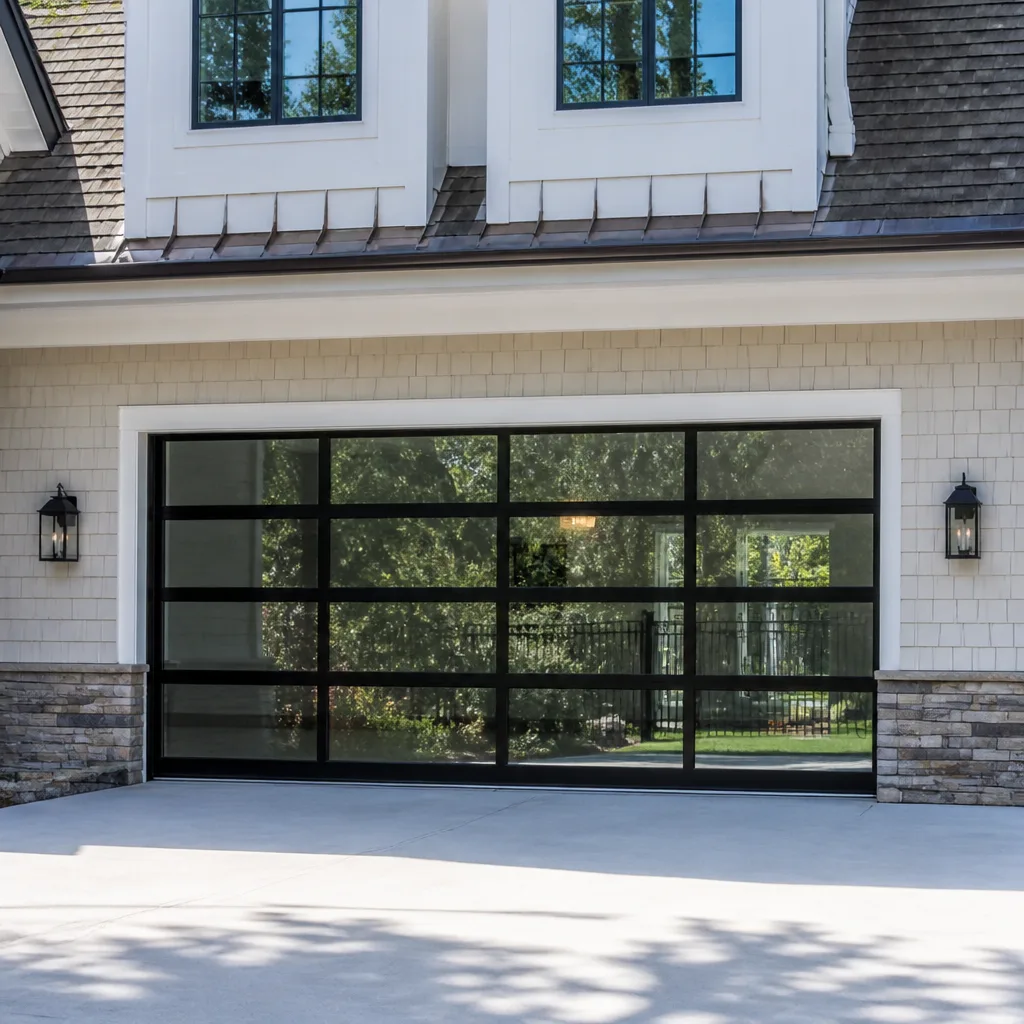 Full-view glass
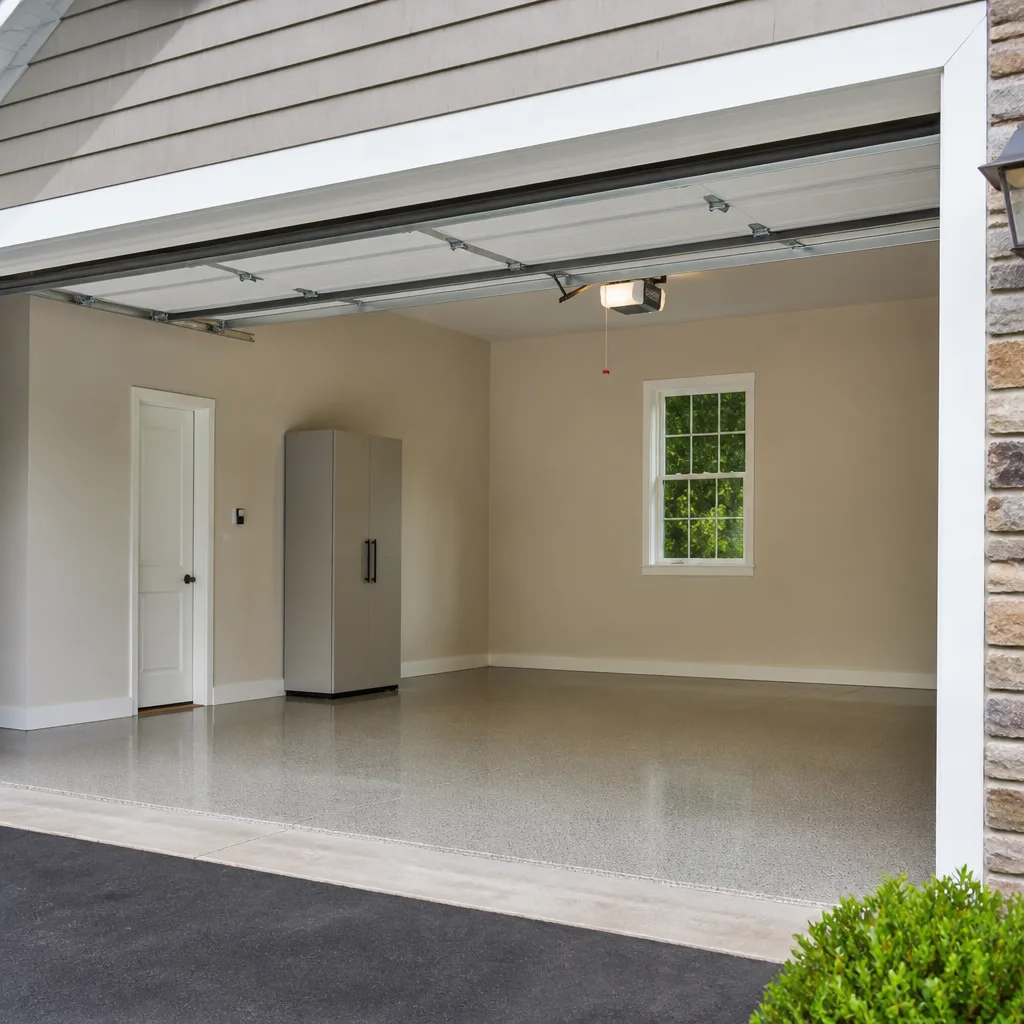 LiftMaster openers
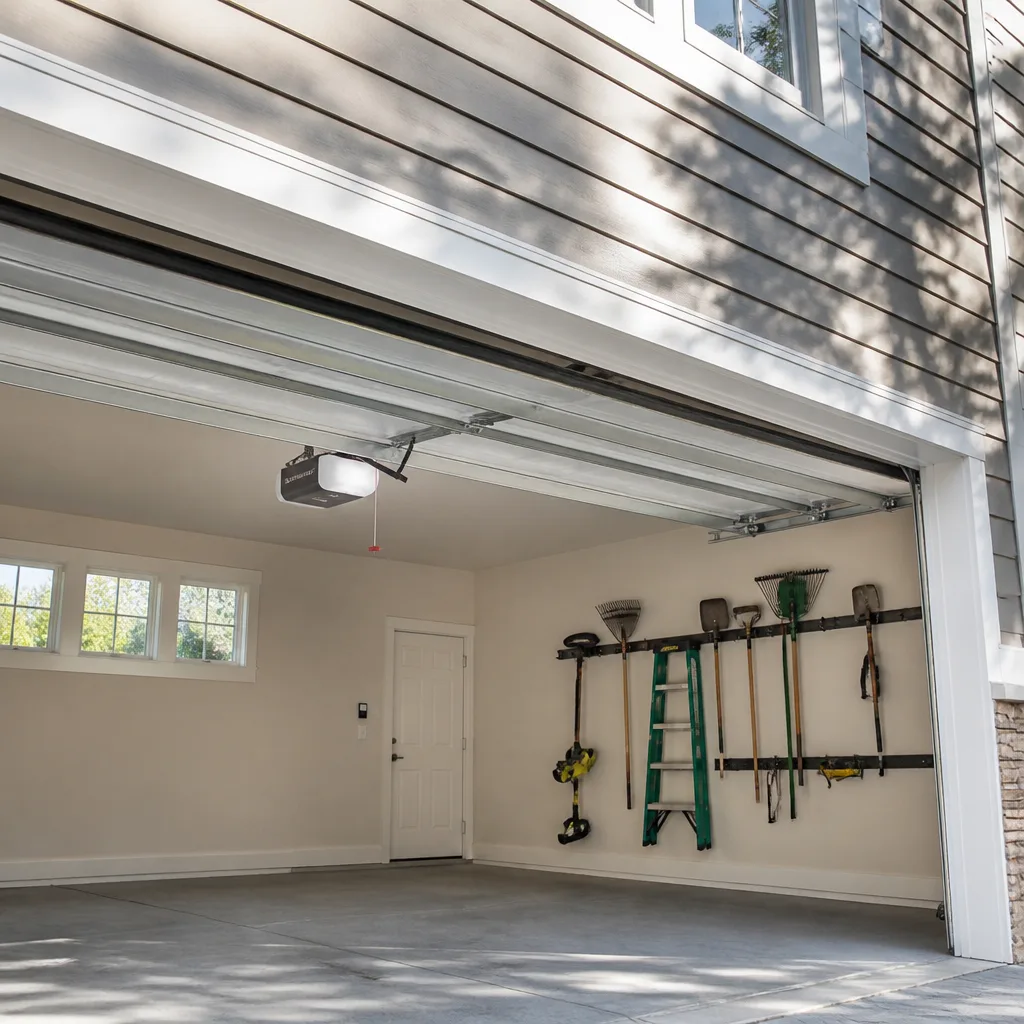 Chamberlain openers
Full 25-point door and opener safety check with every visit - springs, cables, rollers, tracks, and your LiftMaster or Chamberlain opener included
You get a price before we start. It does not change when the pro arrives.
Get your free estimateHow to Hire a Garage Door Contractor in Kendall: A Step-by-Step Guide
Here’s the part most homeowners don’t know: in Florida, anyone with a pickup truck and a toolbox can legally adjust or repair your garage door. A specialty license is only required to replace the door itself. That gap is where trouble lives. A poorly adjusted door leaves you holding liability when the next storm rolls through, and a spring that lets go under load doesn’t care who installed it. We wrote this guide to close that gap. You’ll learn how to check a contractor’s license through Florida’s database, which questions separate brand specialists from generalists, what red flags show up in the Kendall market, and how to read an estimate line by line. By the end, you’ll know exactly how to hire a garage door contractor who won’t leave you with a problem down the road.
Quick Answer
Hiring a garage door contractor in Kendall comes down to four checks: verify the contractor’s license through the Florida Department of Business and Professional Regulation, confirm they specialize in garage doors rather than general repairs, ask brand-specific questions to test real knowledge, and get a written estimate that separates labor from parts and states spring cycle ratings. A valid license, a garage-door-only focus, and a detailed written quote are the three things that protect you. If a contractor can’t produce all three, keep looking.
Styles & brands we work with
- Raised-panel steel
- Carriage house
- Modern flush
- Full-view glass
- LiftMaster openers
- Chamberlain openers
Table of Contents
- How do you verify a garage door contractor is licensed in Florida?
- What questions reveal real brand knowledge?
- Which red flags matter most in the Kendall market?
- How do you read a written garage door estimate?
- Why the cheapest spring quote can cost more later
- What does Kendall’s weather mean for your door?
- How do you compare two written quotes fairly?
- Common Mistakes to Avoid
How do you verify a garage door contractor is licensed in Florida?
You check the contractor’s license through the Florida Department of Business and Professional Regulation (DBPR), and you do it before anyone touches your door. Florida requires a specialty contractor license for garage door installation, meaning anyone who replaces a door needs proper licensing. Adjusting or repairing an existing door does not require that same specialty credential, which is why the license check matters most if you’re planning a replacement or a major rebuild.
Here’s the walkthrough:
- Go to the DBPR license lookup site and search by the contractor’s name or license number. The contractor should give you the number when you ask. If they can’t or won’t, that’s your answer.
- Check the license type and status. A current, active specialty contractor license in the garage door category is what you want to see. An expired or inactive license is a hard stop.
- Confirm the business name on the license matches the name on the estimate. A mismatch between the licensed entity and the person asking for your deposit is a problem you don’t want to discover mid-job.
- Look for a licensed qualifier. Florida licenses attach to people, not just companies, so the business should have a qualified individual on record. Ask who holds the qualifier and confirm it on the lookup.
- Ask for proof of insurance as a separate step. Licensing and insurance are different things, and we work with insurers as needed so you understand what you’re covered for before work begins.
Repair work sits in a grey zone by statute, and that’s exactly why smart Kendall homeowners ask for a license anyway. A contractor who holds one has passed a state background and competency check. A handyman who hasn’t is an unknown quantity. When you need Kendall Garage Door Repair Pros or any other company, the license is your first filter.
What questions reveal real brand knowledge?
Ask about specific systems. A garage door specialist can talk about how a particular brand’s opener drives the door, and a generalist will reach for vague reassurances. LiftMaster is the most useful test brand because their line splits between DC and AC drive systems, and the trade-offs differ in real ways. DC drive openers tend to run quieter and move the door more smoothly, while AC drive units are simpler mechanically and often less expensive. A technician who works on these systems regularly will have a clear, specific explanation. A handyman will say something like “they’re all pretty similar.”
Here are five questions we’d suggest writing down:
- “Do you work on LiftMaster’s DC drive openers as well as AC drive units, and how does the repair approach differ?” Listen for specifics about motor type, travel limits, or quiet operation. Vague answers are a warning.
- “If my Chamberlain opener shows a diagnostic light code, how would you read it?” Chamberlain and LiftMaster share the same ownership group and much of the same diagnostic logic. A specialist knows the codes exist. A generalist has never seen one.
- “My Genie opener is going into force reversal at the bottom of travel. What’s usually behind that before you start replacing parts?” This separates diagnostic thinking from parts swapping.
- “Do you stock or source the Raynor-style hardware I’d need, or do you only handle brands that are easy to get?” Anyone can pull whatever’s on the shelf at the big-box store. The question is whether they understand your specific system’s mounting and torsion geometry.
- “What’s the cycle rating on the springs you’d install, and who makes them?” This is the question most homeowners never ask and the one that saves the most money over time.
In our experience, a brand-fluent technician walks into a Kendall home and already knows which quirks belong to which system. That’s the difference between a fix that holds and a callback. Our specialists work with LiftMaster, Chamberlain, Genie, Clopay, Amarr, Wayne Dalton, Craftsman, and Raynor by name and by mechanism, and the questions above are exactly how you’ll know a specialist when you meet one.
Which red flags matter most in the Kendall market?
Watch the trucks and the timing. Out-of-area operators show up in Kendall after storm season, when demand spikes and local capacity thins out. A crew that doesn’t know the neighborhood isn’t automatically a problem, but a crew that can’t tell you where they’re from, or that pressures you into immediate work with no written estimate, is. Kendall is a large, specific market, and a contractor who works here regularly can talk about it.
Other red flags we’d flag specifically:
- A spring replacement quote significantly lower than everything else you received. Spring prices reflect gauge, material, and cycle rating. A bargain quote is often a lighter, shorter-life spring or a quote that quietly excludes hardware, tax, or labor.
- “We can do it right now” on major work. Legitimate jobs get measured, ordered, and scheduled. Pressure to sign on the spot is a sales tactic, not a sign of expertise.
- No written estimate. Verbal quotes are unenforceable and change once on-site. A written, itemized quote protects you.
- No license number on the estimate, or a number that doesn’t check out on the DBPR site. We’ve seen homeowners call back to a number that goes dead the week after a storm.
- Generic promises about warranties with no specifics. Ask for the exact warranty terms in writing, and ask whether the warranty is on the parts, the labor, or both.
- Crews that arrive without a truck stocked for the job, ask to borrow your tools, or suggest “we can come back if it doesn’t work.” A one-trip fix is normal. A two-trip guess is not.
- A reluctance to discuss spring gauge or cycle rating. If a contractor can’t or won’t answer, you’re not talking to a specialist.
These red flags appear in every city, but they cluster in Kendall after a stretch of hot, humid weather has accelerated wear and demand outstrips supply. Expect a little more scrutiny at those moments. That’s the moment to slow down, not speed up.
How do you read a written garage door estimate?
Read it line by line. A useful written estimate separates labor from parts, names the springs or opener model you’re getting, and shows a permit line item if a permit is required for your job. Anything less is a summary, not an estimate. When you’re comparing garage door repair services, the written estimate is the document that protects you, because it lets you see exactly what you’re paying for and what happens if something changes.
Here’s a suggested checklist for reading the estimate:
- Labor versus parts. Are these separate lines? Labor cost varies with job complexity. Parts should be itemized by brand and model where possible.
- Spring specification. Look for gauge and cycle rating, not just “springs.” A spring rated higher in cycles can cost a bit more upfront and save you a callback years down the road.
- Warranty terms. Ask which parts are covered, for how long, and whether labor is covered separately. Get the answer in writing.
- Permit line item. If the job requires a permit, the estimate should reflect it. Ask the city’s building department whether your specific job needs one.
- Old-parts removal. Does the estimate note whether old springs, rollers, or the opener get hauled off, or is that extra?
- Price-lock language. Confirm the written quote is the price, and that you won’t be billed for anything beyond it without your consent. That’s the standard on any legitimate job.
- Payment terms. When you pay, and what form. Anyone asking for a large deposit before the truck arrives is asking for something unusual.
We get a lot of questions about garage door repair pricing, and the honest answer is that most legitimate companies quote per job. A written estimate is where the real number lands, and where you can see whether the job is being done right. The price should be quoted and agreed before any work starts. That’s the standard you should hold every contractor to.
Why the cheapest spring quote can cost more later
Springs are where cheap quotes hide their shortcuts. A garage door spring is a precisely specified component: wire gauge, length, winding direction, cycle rating, and whether it’s an oil-tempered or galvanized spring all change what you’re buying. Two quotes can look forty dollars apart and be an entirely different class of part. The cheapest quote often means a lower-gauge wire, a shorter cycle rating, or springs made to fit a range of doors rather than your door specifically.
Ask two questions before any spring work begins:
- “What cycle rating are the springs you’re installing?” A cycle rating tells you how many open-and-close cycles the spring is designed for. Ask for the number in writing.
- “What gauge is the wire, and is this a matched pair?” A matched pair is usually replaced together when one spring fails, since the second is under the same stress. If you’re told only one needs replacing, ask why the matching spring is expected to outlast its twin.
Spring work is dangerous. High-tension torsion and extension springs store enormous energy, and a screwdriver or a winding bar used wrong can turn a repair into an injury. We don’t recommend DIY spring work to anyone, and a contractor who suggests you can do it yourself is telling you something about their judgment. If you’re looking at garage door spring repair in Kendall, the specification is what you’re buying. Get it in writing before the truck pulls up.
What does Kendall’s weather mean for your door?
Kendall’s heat and humidity are hard on a garage door. The combination speeds up the wear on springs, rollers, hinges, and opener parts, and it also stresses the door’s finish, which is why a door that’s cared for can still start to lag, squeak, or reverse unexpectedly sooner than a homeowner expects. Doors here run through more expansion and contraction cycles than they would in a dry, temperate climate, and the metal hardware loosens a fraction of a millimeter at a time. That adds up.
Practical implications for hiring:
- Ask what maintenance the contractor recommends given the local climate. A technician who works here regularly will have specific advice about lubrication schedule, spring inspection timing, and how to spot wear early.
- Ask about sealed rollers. Sealed-bearing rollers stand up better to humidity than open ones, and the price difference is small. A contractor who mentions this unprompted is thinking about the local climate.
- Ask how the technician checks the door’s balance. A properly balanced door should hold position roughly halfway open. A door that won’t is straining the opener, the springs, or both.
- Ask about hurricane-rated hardware if your home is in a wind-borne-debris zone. Some Kendall homes need reinforced doors and tracks. The contractor should know what’s typical in your part of town.
- Ask whether they’ll inspect the torsion tube and end plates while they’re there. These are exactly the components that fail quietly in heat, and a specialist will check them without being asked.
These aren’t manufacturer talking points. They’re the details that separate a specialist from someone passing through. When a garage door fails in this weather, it can’t wait. We provide emergency garage door service for the mornings when the door won’t lift and the car is stuck inside, and we’ll treat it as the safety and security issue it is.
How do you compare two written quotes fairly?
Line them up side by side. Fair comparison means comparing like-for-like parts and like-for-like warranty terms. If one quote names the spring gauge and the other doesn’t, you’re not comparing the same product. If one includes a permit line and the other doesn’t, the gap may be paperwork, not value. Insist on specificity in both quotes, and if a contractor can’t provide specifics, that’s your comparison answer.
Use a simple comparison:
- Write the parts list from each quote in its own column. Note the brand and model of every part you can identify. If a quote is missing a brand or model, mark it.
- Compare spring specifications. Gauge and cycle rating should match or be clearly better on one side. A cheaper quote that names no gauge is a signal, not a bargain.
- Compare warranty terms. Parts warranty, labor warranty, and what voids each. Get them in writing before deciding.
- Compare permit line items. If one quote includes a permit and another doesn’t, ask why before comparing totals.
- Compare scheduling language. Repair and emergency work can be scheduled quickly. Installation, replacement, and new-door work is measured, ordered, scheduled, and quoted in writing. Comparing an installation quote against a repair quote is comparing two different jobs.
- Compare who’s quoting. If the person on the phone can’t answer a LiftMaster or Chamberlain question, ask to speak with the technician who will do the work.
- Confirm the written estimate is final. The written quote is the price, and nothing should change it without your sign-off.
When you’re evaluating a company that handles garage door opener repair, the quote should name the opener model, the parts required, and the labor. Anything less is an estimate sketch. Get the real number in writing.
Common Mistakes to Avoid
- Hiring the first quote that arrives. In Kendall, especially after a weather event, out-of-area operators arrive fast. Get at least two written quotes and check both against the DBPR lookup before you commit.
- Skipping the license check because the job “seems small.” Adjustments and repairs are legally lighter, but a licensed contractor is still a better hire. It’s cheap to check and expensive to skip.
- Choosing the cheapest spring replacement. The cheapest quote usually means a lighter spring or an excluded hardware line. Ask for gauge and cycle rating every time, and compare those numbers before you compare the totals.
- Accepting a verbal quote. Verbal estimates change once the truck arrives. A written, itemized estimate is the only number that means anything.
- Letting anyone do a spring repair as a DIY “learning” job. Springs are dangerous under load, and the injury risk is real. Only trained professionals should adjust or replace them.
- Ignoring the climate question. Asking about sealed rollers, humidity-appropriate lubrication, and hurricane-rated hardware shows you’re paying attention. Contractors who know the local weather will have specific answers.
- Not asking who does the actual work. A salesperson quoting you is fine, but the person who diagnoses and fixes the door should be a technician. Ask who’ll be doing the work and what experience they bring.
See the difference
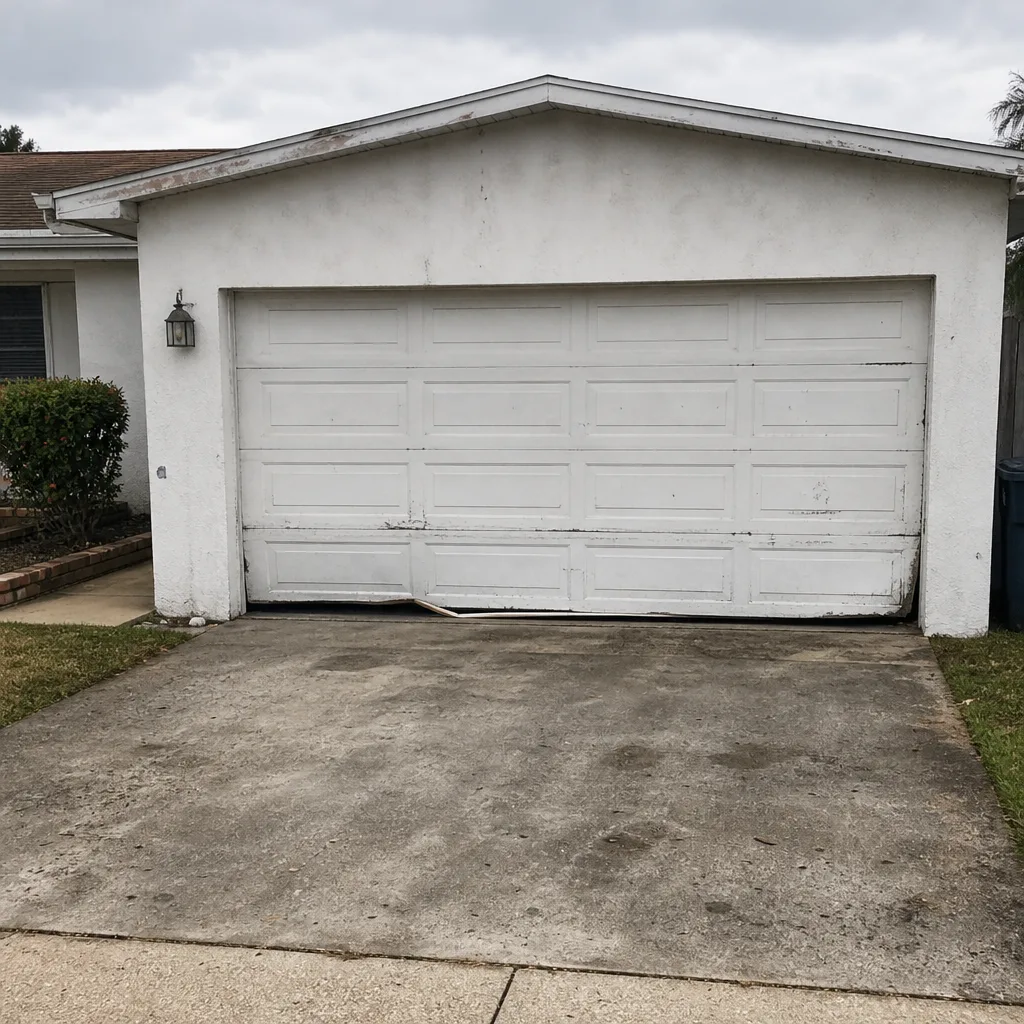 Before
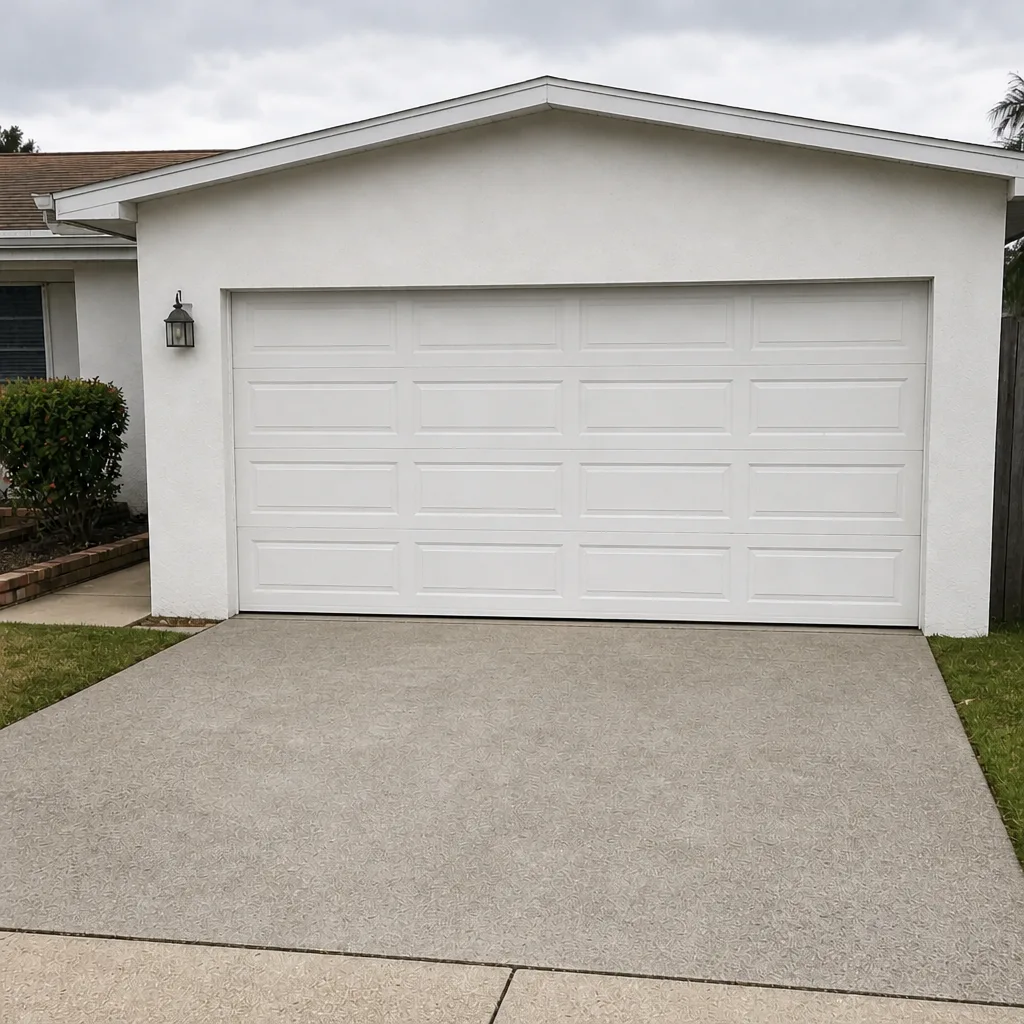 After
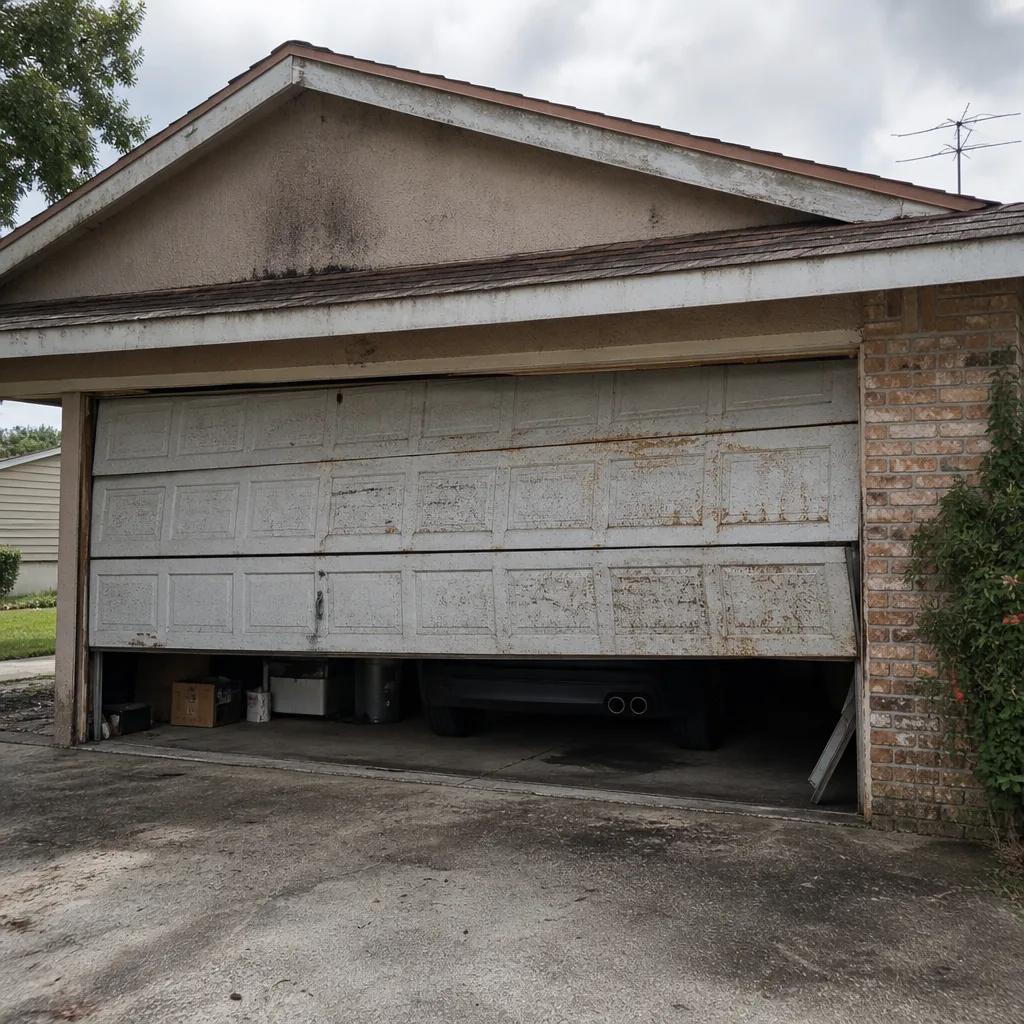 Before
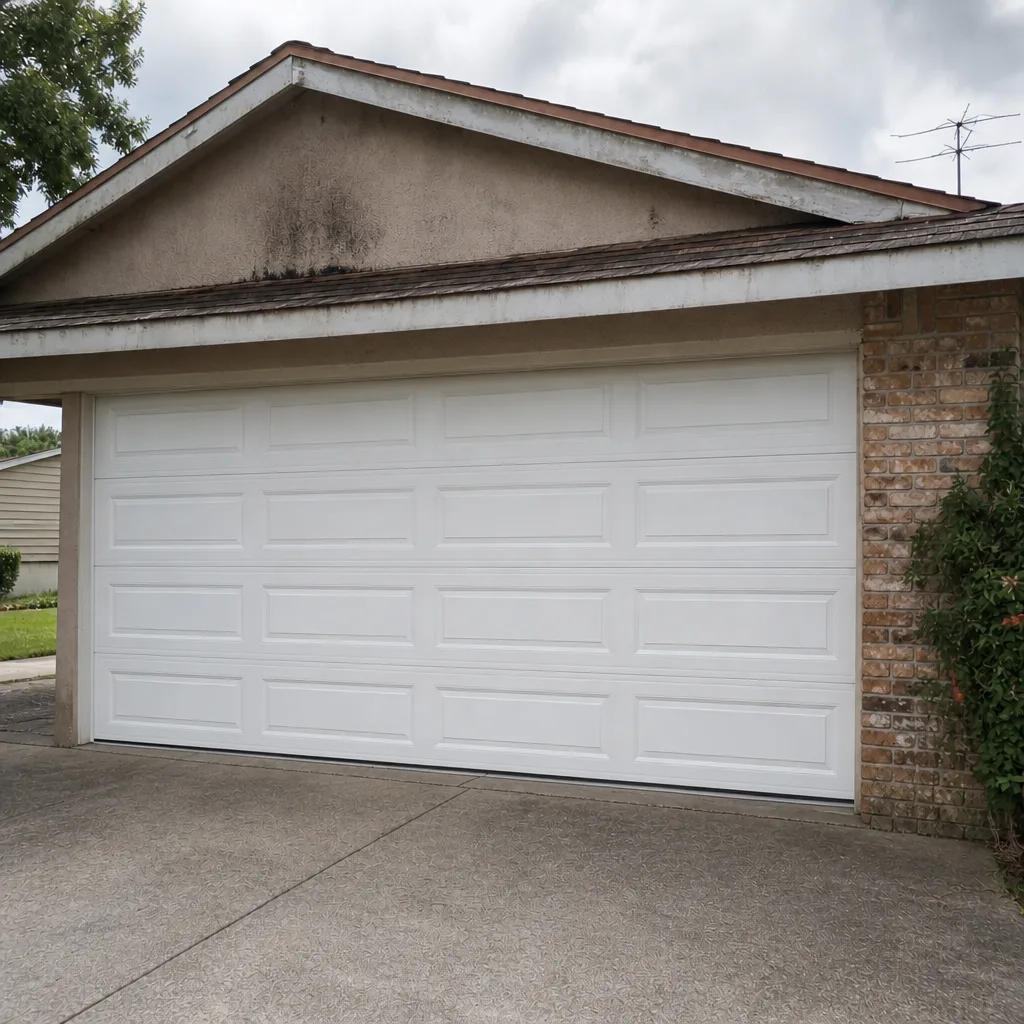 After
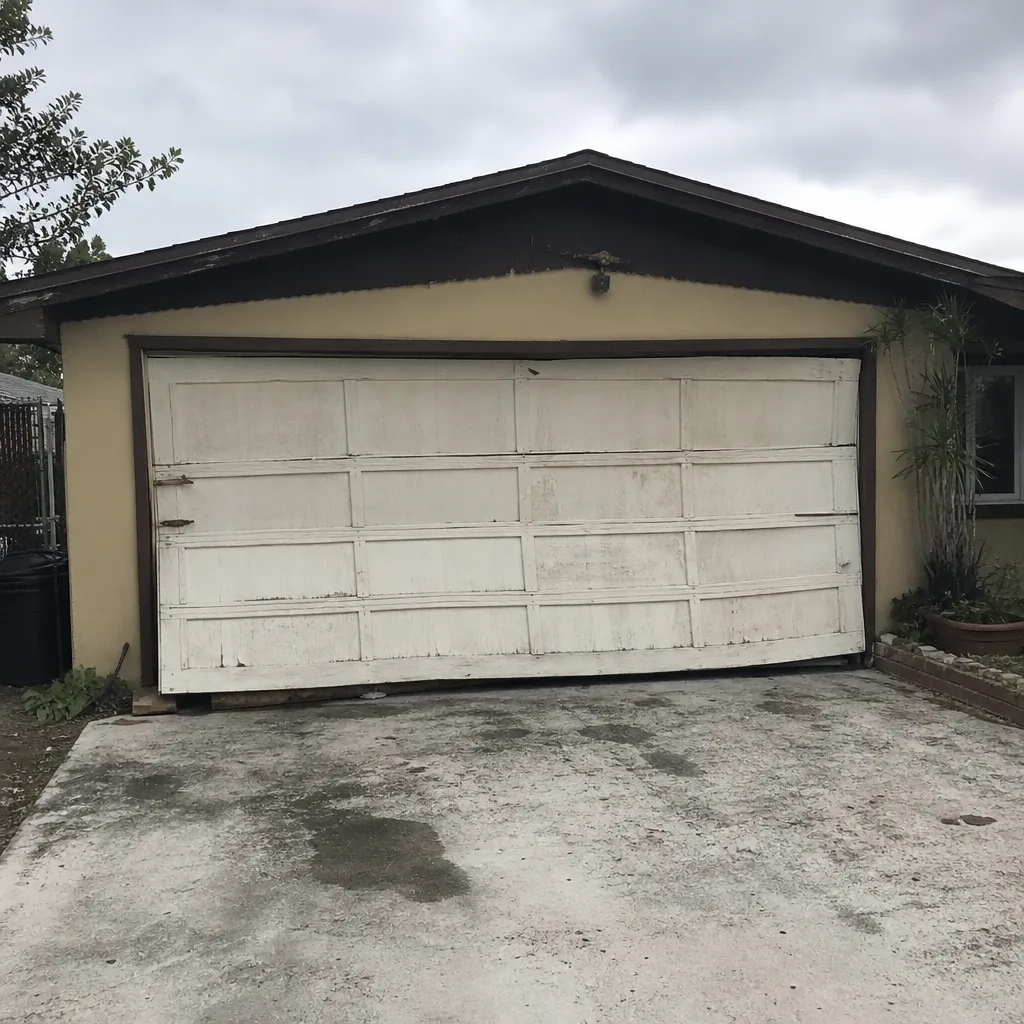 Before
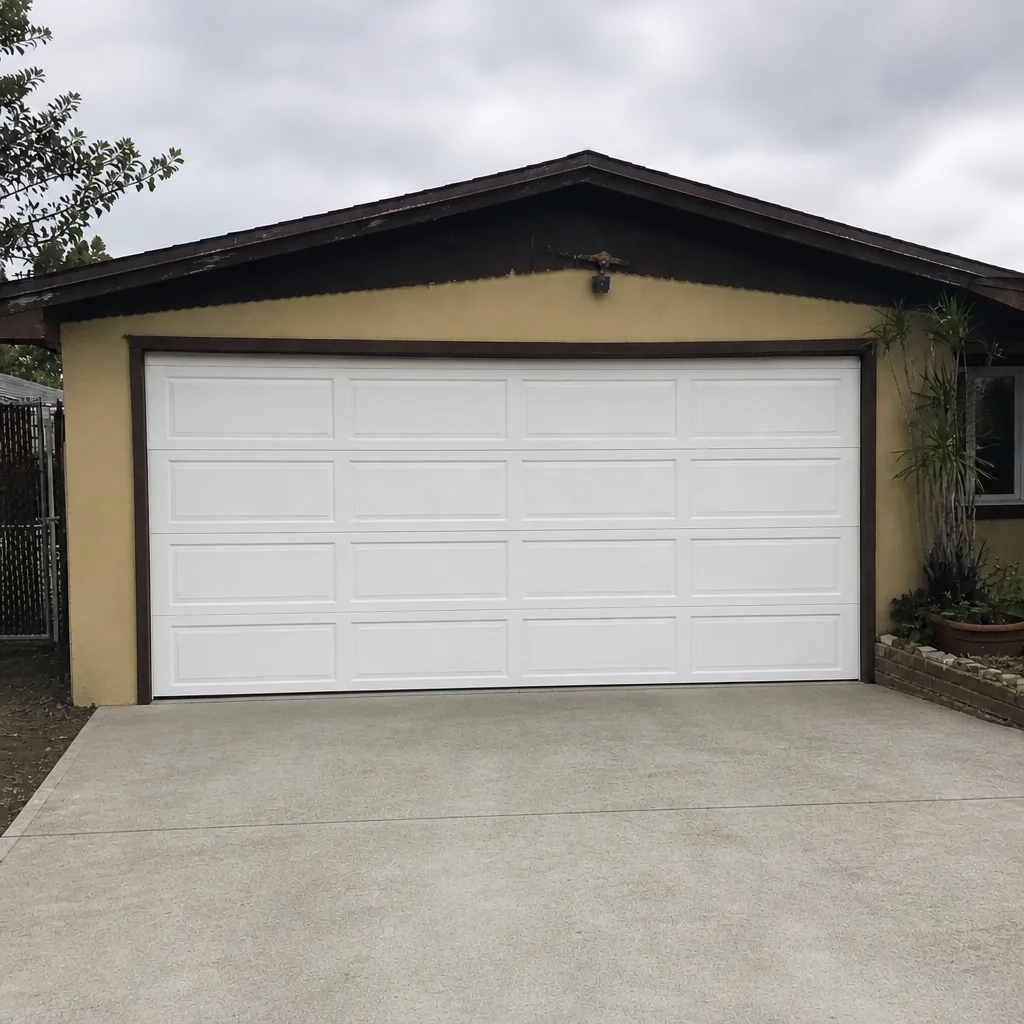 After
When to Call a Professional
Call a professional when the door won’t open or close, when a spring pops or the door feels suddenly heavy, when the opener runs but the door doesn’t move, or when the door reverses unexpectedly. Any of these is a safety or security issue, not just an inconvenience. Springs under load should only be handled by trained professionals, and a door that’s hung up is one that’s one bad move away from an injury. If a cable is frayed or the door is hanging off its track, don’t run the opener until a technician looks at it.
For installation and replacement, don’t wait for an emergency. New doors, new openers, and major rebuilds are measured, ordered, and scheduled, and the process works best when there’s time to choose. Kendall Garage Door Repair Pros offers free estimates in Kendall. Our technicians have up to 12 years of experience, and we’re garage-door only: springs, openers, panels, and full installs, one call covers it all. Call (833) 508-9893 for a free estimate, and we’ll walk you through the written quote line by line.
Frequently Asked Questions
For replacement work, yes: Florida requires a specialty license to replace a garage door. For adjustments and repairs, the license is not required by statute, but hiring a licensed contractor is still the right choice because it confirms a state background and competency check. Verify any contractor at the DBPR lookup before work begins. Call (833) 508-9893 for an exact quote – estimates are free.
Spring pricing depends on gauge, cycle rating, and whether you’re replacing one spring or a matched pair. A matched pair costs roughly twice the price of a single spring, and the written estimate is the final price. Get the gauge and cycle rating in writing, and treat any quote that doesn’t specify them as incomplete. Call (833) 508-9893 for an exact quote – estimates are free.
The written estimate is the price-quoted-and-agreed-before-work standard, and nothing changes it without your sign-off. If the technician finds an unexpected problem, they should explain it and requote before touching anything. That’s how every legitimate job should go. Call (833) 508-9893 for an exact quote – estimates are free.
Urgent door failures are what garage door opener repair and emergency service exist for, and we treat a door that won’t open as a security and safety issue. Call us at (833) 508-9893 and we’ll book the closest available appointment. We keep our scheduling on the phone so you know what’s realistic before you commit.
The local pro is licensed and insured as their state requires, and we recommend confirming that yourself before work begins. Ask for the license number and check it on the DBPR site. It’s a two-minute call and it’s the single best protection you have. Call (833) 508-9893 for an exact quote – estimates are free.
LiftMaster, Chamberlain, Genie, Clopay, Amarr, Wayne Dalton, Craftsman, and Raynor are the brands a garage-door specialist should know by name and mechanism. Ask any contractor which of these they work on regularly and listen for specific knowledge, not a list. Call (833) 508-9893 for an exact quote – estimates are free.
The Bottom Line
Hiring a garage door contractor in Kendall comes down to four concrete steps: check the DBPR license, ask brand-specific questions to test real knowledge, read the written estimate line by line, and insist on gauge and cycle rating for any spring work. The Florida repair license gap means anyone can legally show up, which makes your verification the real filter. A garage-door-only specialist who knows your brand, quotes in writing, and treats spring work as the safety issue it is will get the job right the first time. If a contractor can’t answer the questions in this guide, keep looking. That’s the whole playbook.
Call (833) 508-9893 for a free estimate, and we’ll walk you through the brand, the parts, and the written price before anything gets scheduled.
Written by the team at Kendall Garage Door Repair Pros.