Last updated November 23, 2026
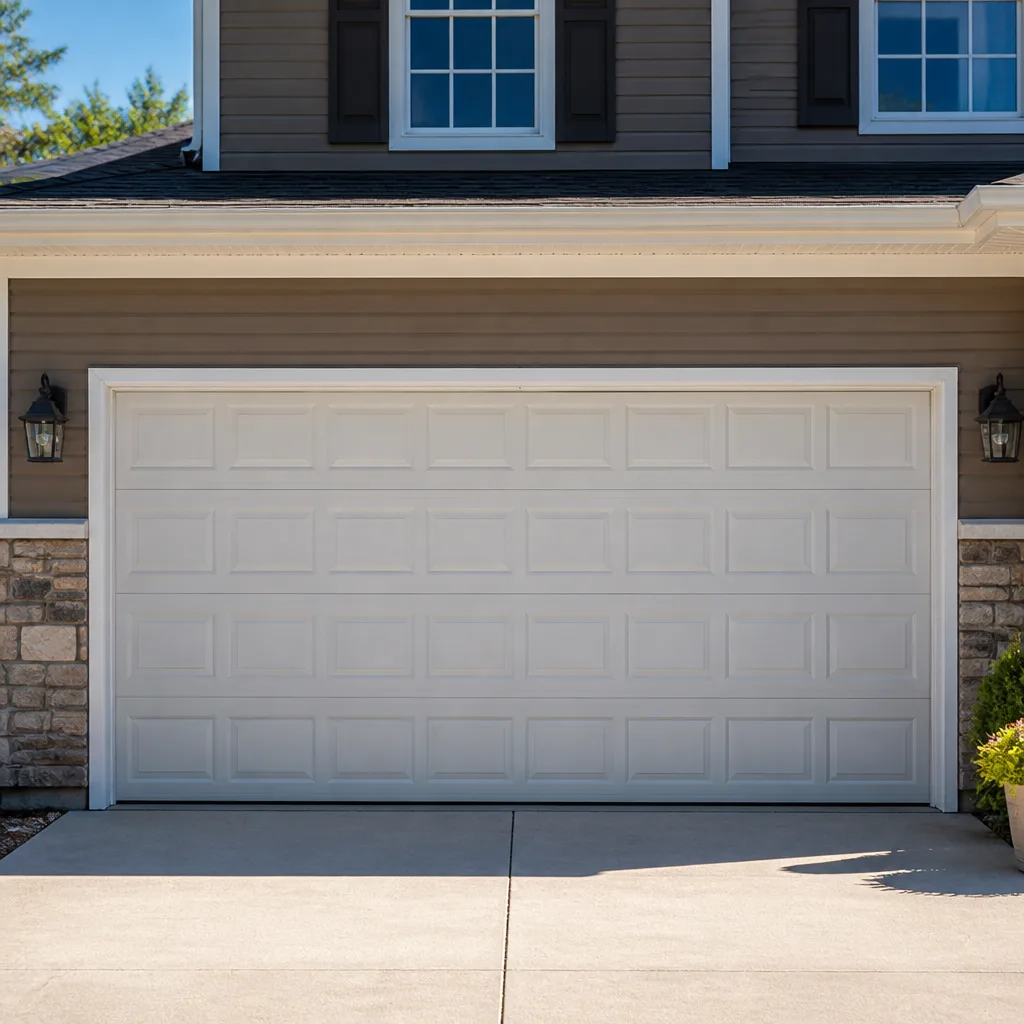 Raised-panel steel
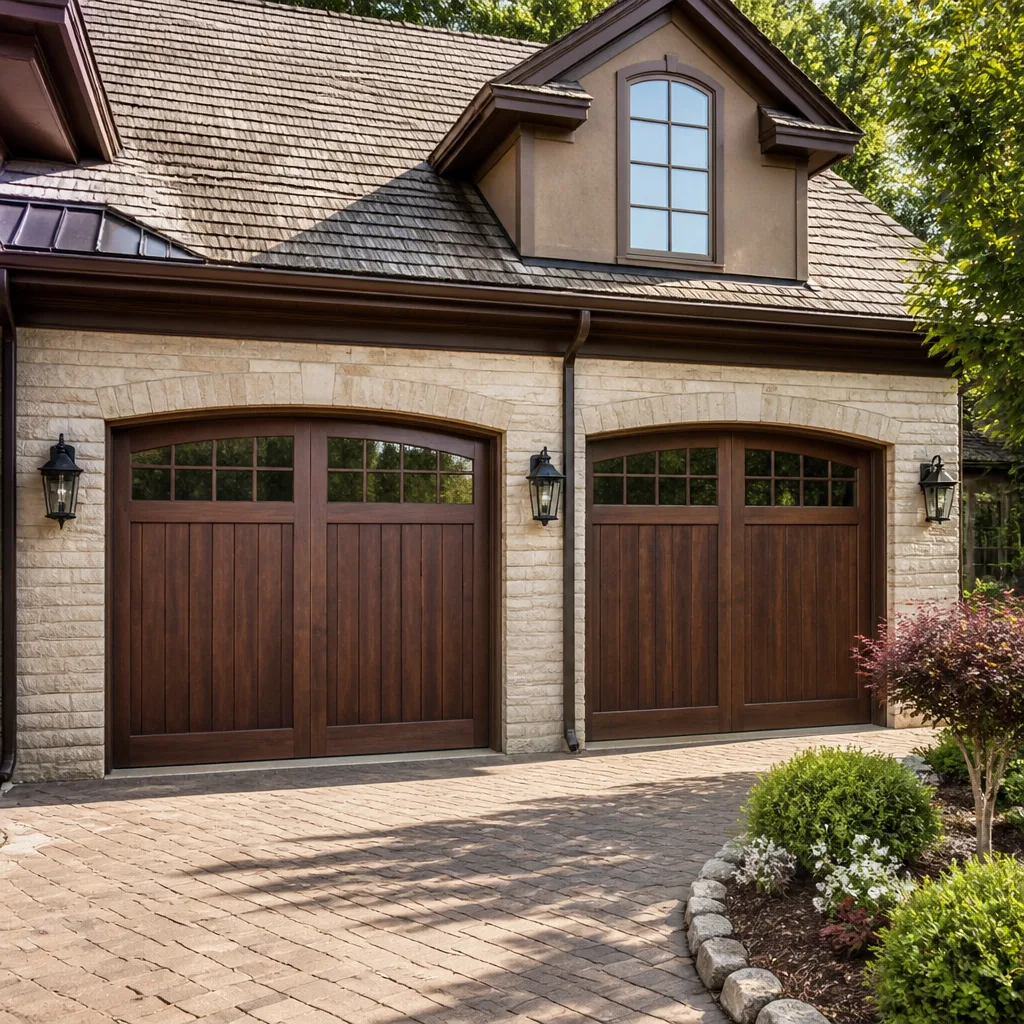 Carriage house
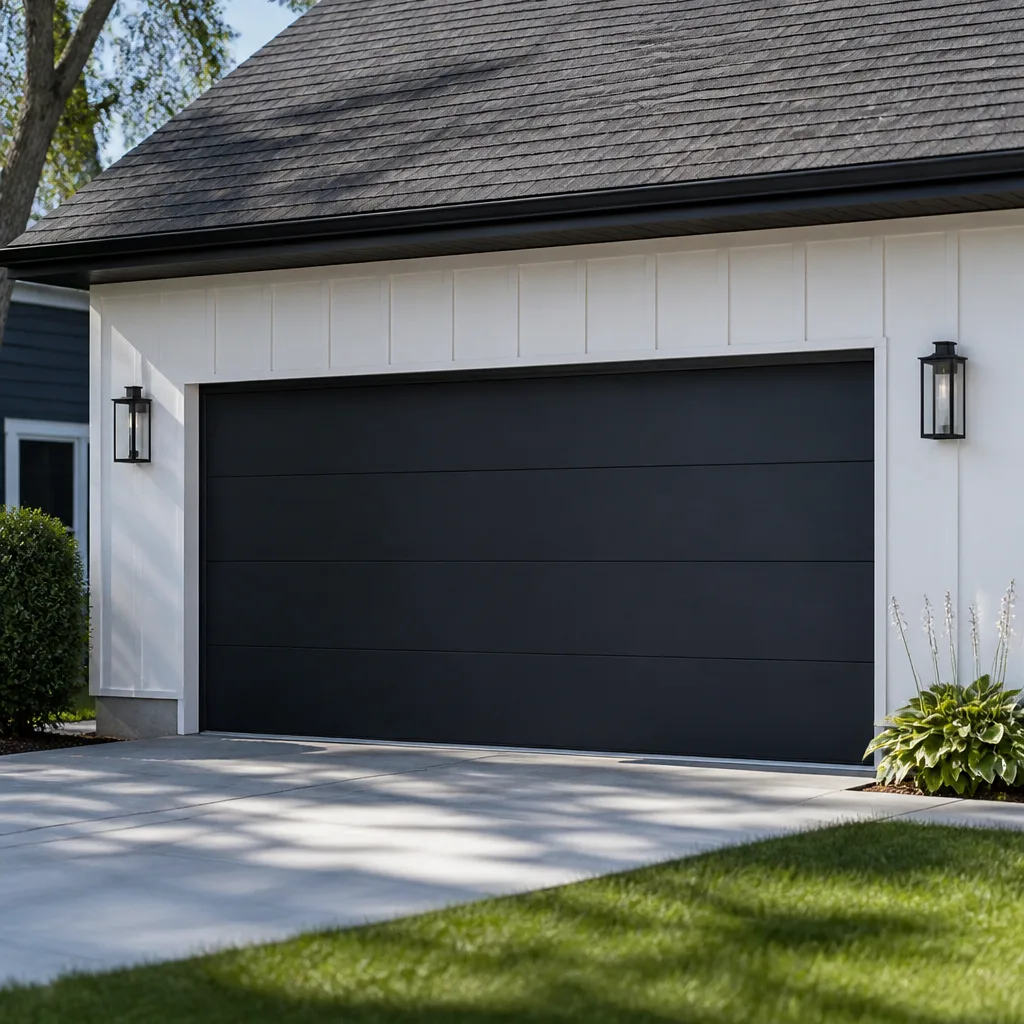 Modern flush
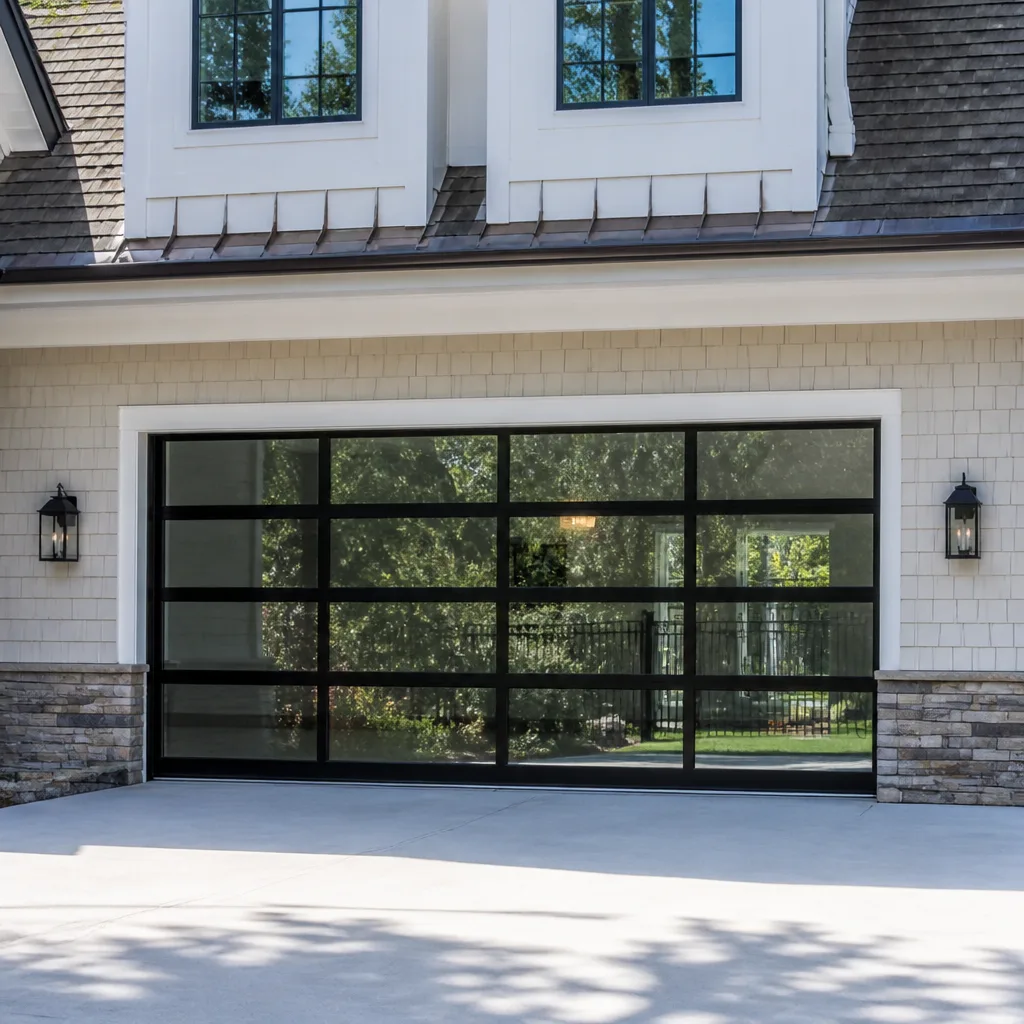 Full-view glass
 LiftMaster openers
 Chamberlain openers
Full 25-point door and opener safety check with every visit - springs, cables, rollers, tracks, and your LiftMaster or Chamberlain opener included
You get a price before we start. It does not change when the pro arrives.
Get your free estimateGarage Door Permits, Codes & Inspections in Kendall, FL: What You Need to Know
Most garage door replacements in Kendall happen without a permit, and in almost every case the homeowner didn’t know one was required. That’s the part worth sitting with: the gap isn’t stubbornness or cutting corners. It’s a missing conversation. A contractor quotes the job, the door goes up, the old panels go to the curb, and nobody mentions Miami-Dade County’s permitting threshold. This guide closes that gap. We’ll walk through when a permit is legally required and when it isn’t, what a Notice of Acceptance is and how an inspector reads it, how the application works through Miami-Dade’s iBuild portal, what can go wrong at inspection, and what happens to a storm damage claim if the work was never permitted. All of it grounded in how things actually run in Kendall.
Quick Answer
In Kendall, a full garage door replacement generally requires a permit from Miami-Dade County, while a straight repair or an opener swap usually does not. The dividing line is structural: if the door assembly, its attachment to the wall, or its wind-load resistance is changing, the county treats it as permitted work. Before any replacement, ask your contractor for the permit number and the Notice of Acceptance (NOA) for the specific door being installed, and confirm both are on file with the county. If a contractor tells you a permit isn’t needed for a full replacement, get a second opinion.
Styles & brands we work with
- Raised-panel steel
- Carriage house
- Modern flush
- Full-view glass
- LiftMaster openers
- Chamberlain openers
Table of Contents
- Does a Garage Door Replacement Need a Permit in Kendall, FL?
- What Is a Notice of Acceptance (NOA) and Why Do Inspectors Check It First?
- Wind Load Requirements, Wind Speed Zones, and What They Mean for Your Door
- Applying Through Miami-Dade’s iBuild Portal: Timeline, Fees, and Documents
- What a Garage Door Inspection Actually Looks Like
- The Three Most Common Failed Inspections and How to Avoid Them
- What Happens to Your Insurance Claim If You Skipped the Permit
- Repair Versus Replacement: Where the Line Actually Sits
Does a Garage Door Replacement Need a Permit in Kendall, FL?
Yes, a full garage door replacement in Kendall generally requires a permit from Miami-Dade County. A repair usually does not. That single distinction causes more confusion than any other garage door question we field, and it’s worth slowing down on because the consequences of guessing wrong sit entirely with the property owner.
Here’s the way the county looks at it. A garage door isn’t a window covering or an appliance. It’s a large, heavy, moving assembly bolted to your home’s structural frame, and in Florida it plays a defined role in how the building performs under wind pressure. When the entire assembly is replaced, that structural role changes, and the county wants to see the numbers before the door goes up.
Work that typically requires a permit:
- Replacing the complete garage door assembly with a new or different unit
- Changing the door’s model, wind-load rating, or manufacturer
- Altering the structural attachment points, header, or reinforcement
- Converting an original door opening into a garage door opening (enclosure work)
- Any change that affects the door’s rated design pressure
Work that typically does not require a permit:
- Replacing individual panels with the same model and rating
- Replacing a torsion spring, cable, roller, or hinge (though this is a trained-professional job; see our page on garage door spring repair)
- Swapping a garage door opener for a new unit of similar capacity
- Routine adjustment, lubrication, or balance correction
A good rule of thumb before scheduling a Kendall replacement: ask the question out loud. “Will this job be permitted?” A straight answer, followed by a permit number when the work is scheduled, tells you plenty. If the answer is a shrug or “we’ve never needed one,” that’s a signal worth paying attention to.
What Is a Notice of Acceptance (NOA) and Why Do Inspectors Check It First?
A Notice of Acceptance, or NOA, is a Miami-Dade County document that certifies a specific product meets the county’s standards for use in the local wind environment. Every garage door installed on permitted work in Kendall needs one, and it must match the door being installed. This is the first thing an inspector looks for, ahead of the installation itself, because if the NOA doesn’t line up, the rest of the inspection is academic.
What the NOA actually is: a product-by-product approval issued after the manufacturer has submitted test data showing the door performs to a defined design pressure. It’s not a generic “this brand is fine” stamp. It attaches to a specific model, a specific size range, a specific wind-load rating, and often a specific installation method.
How to find it on your door:
- Look inside the garage for a manufacturer’s label or sticker affixed to the door or to the reinforcement strut.
- The label should show the manufacturer name, model, and a NOA or Florida Product Approval number.
- Keep the sticker legible. Inspectors and future owners will need to read it.
- If the label is missing or painted over, the manufacturer can typically confirm the model from the door’s specifications.
This is where brand familiarity does real work. A technician who routinely installs Clopay, Amarr, Wayne Dalton, and Raynor doors knows where each manufacturer places its identifying labels and which models carry current county approval. When we look at a door, we’re checking the model first and the mechanics second, because a beautifully installed door with the wrong NOA still fails.
One warning worth repeating: an NOA from a different model in the same product family doesn’t transfer. Inspectors match the number to the exact unit on the door. If your contractor supplies a NOA for a door that isn’t the one installed, that’s a rejection waiting to happen.
Wind Load Requirements, Wind Speed Zones, and What They Mean for Your Door
Florida Building Code Section 1609 governs wind load requirements, and it’s the section that gives garage door permitting in Kendall its teeth. In plain terms: a building must be designed and built so that its components, including the garage door, resist the wind pressures expected in its location. The county assigns design pressures based on where you are, and the door you install has to meet or exceed that number.
Why the garage door specifically? A sectional garage door is the largest opening on the front of many Kendall homes. It’s also one of the weakest points in a wind event if it isn’t rated for the pressure. When a door fails under wind load, the opening it leaves behind pressurizes the structure, and the load transfers to the roof and walls. That’s why the county treats the door as structural rather than decorative.
What this means practically:
- You cannot substitute a lower-rated door for the one specified, even if it looks identical.
- Reinforcement struts aren’t optional accessories; they’re part of how the door achieves its rating.
- The track, brackets, and anchors matter as much as the panels. A rated door on undersized anchors isn’t a rated installation.
- The design pressure for your home comes from the permit documents, not from a general chart.
For Kendall homeowners, the safest habit is to let the permit drive the product selection, not the other way around. Find out what design pressure your home requires, then choose a door and installation method that meets it with documentation. Any contractor who can’t tell you the design pressure before quoting a replacement hasn’t done the homework.
We work on doors from eight major manufacturers, including LiftMaster, Chamberlain, Genie, Clopay, Amarr, Wayne Dalton, Craftsman, and Raynor, and the wind-load documentation is different for each. Wayne Dalton and Amarr, for instance, publish approved configurations that pair particular models with particular reinforcement. Getting that pairing right is what an inspector checks.
Applying Through Miami-Dade’s iBuild Portal: Timeline, Fees, and Documents
Miami-Dade County handles garage door permits through its online iBuild portal, and the process is more straightforward than most homeowners expect, provided the paperwork is right the first time. Applications are submitted electronically by the licensed contractor performing the work, and the county reviews them for completeness and code compliance.
Here’s how the steps generally run:
- Contractor prepares the application. The licensed contractor enters the property address, scope of work, and door specifications into iBuild.
- Attach the NOA and product approvals. The Notice of Acceptance number, the manufacturer’s installation instructions, and the design pressure documentation go with the application.
- Submit plans or product data as required. Most residential garage door replacements don’t require full engineered drawings, but the county will tell you if yours does.
- Pay the permit fee. The fee is paid through the portal and is typically based on project valuation.
- Receive the permit. Once the application is approved, the permit is issued and work can legally begin.
- Schedule the inspection. After installation, the contractor requests the final inspection through the portal.
- Pass the inspection. The county closes the permit, and the record becomes part of the property’s file.
Timelines vary with county workload and application quality. A clean submission with the correct NOA and complete product data moves faster than one that comes back twice for missing information. Fees likewise depend on the project’s declared valuation. For current timelines and fee schedules, the county’s portal and building department are the authoritative source; we won’t quote you a number that could change between now and your submission.
The documents a contractor needs to have ready are consistent: proof of licensing for the contractor of record, the NOA for the exact door, the manufacturer’s installation instructions, and the property details. If your contractor can’t produce those without hunting, that’s a sign the paperwork isn’t routine for them. Our garage door repair team can help you tell the difference between a routine repair and a permitted replacement before you commit to anything.
What a Garage Door Inspection Actually Looks Like
A garage door inspection in Kendall is not a technician’s tune-up. It’s a county inspector verifying that the installation matches the permit, that the product matches the NOA, and that the door is anchored to perform as designed. It usually takes less than half an hour, but the inspector is checking specific things, and knowing them ahead of time removes the guesswork.
What the inspector verifies:
- Product identity. The door’s label and model number match the NOA and the permit application.
- Reinforcement. Struts, brackets, and any manufacturer-specified reinforcement are present and installed per instructions.
- Anchoring and attachment. Track brackets and header connections are secured with the specified fasteners into sound material.
- Clearances and operation. The door opens and closes fully, the balance is reasonable, and the safety reverse functions.
- Weatherseal and labeling. Perimeter seals are installed, and the product label remains readable.
The inspector is not evaluating your spring tension, your opener brand, or how quiet the door is. Those are maintenance matters, and the inspector has no opinion on them. What the inspector does care about is whether the door on the wall is the door on the paperwork, and whether it’s held to the wall the way the manufacturer says it should be.
This is also why a professional installation matters beyond quality of work. When we install a new door, we’re building the inspection into the job so there’s nothing to come back and fix. An installer who isn’t thinking about the inspection while hanging the door is likely to leave something for the inspector to find.
The Three Most Common Failed Inspections and How to Avoid Them
The vast majority of failed garage door inspections in Kendall come down to three avoidable problems. None of them require redoing the whole job, but each one costs time, and a reinspection fee, and delays closing the permit. Here’s what they are and how to head them off before the inspector arrives.
1. Wrong or missing NOA.
The door installed doesn’t match the Notice of Acceptance on file, or no NOA was submitted at all. This is the most common reason and the easiest to avoid. Compare the model number on the door’s label to the NOA before the installation is finished, not after. If they don’t match, stop and sort it out with the contractor. For brand-specific sets like a Clopay or Amarr model, the configuration matters and the NOA has to align exactly.
2. Missing reinforcement or incorrect anchorage.
The door is rated, but the installation doesn’t achieve the rating because a strut or bracket is missing, or the anchors are undersized or set into material that won’t hold. The NOA and the manufacturer’s instructions specify both. An experienced installer follows them without being asked; an installer working from memory may not. Check for the presence of reinforcement struts and the correct bracket pattern before the inspection is scheduled.
3. Label illegible or painted over.
This sounds trivial. It isn’t. If the inspector can’t read the model number and NOA information on the door, the inspection can’t be completed, because there’s no way to verify the product against the permit. Painting the interior of a garage and covering the label is a surprise that comes up often. Tape it off or note its location and keep it readable. Our garage door opener repair service is a good moment to check the door label while you’re already looking at the hardware.
All three are caught by a careful installer before the county ever comes out. That’s part of what you’re paying for when the job is done by a specialist rather than a generalist. Garage doors are what we do all day, and getting the permit package right is part of the job.
What Happens to Your Insurance Claim If You Skipped the Permit
Skipping a garage door permit can put the structural portion of a storm damage claim at risk. This is the part of the conversation homeowners take most seriously, and it’s the reason we started this guide where we did. Florida homeowner’s policies routinely condition coverage on work being performed in accordance with applicable building codes. Unpermitted work is a known exposure, and carriers have the right to review it when a claim comes in.
What that can look like in practice:
- An adjuster reviewing the damage asks for the permit record for the door, and there isn’t one.
- The adjuster or an engineer questions whether the door and its attachment met the applicable wind load requirements.
- Coverage for the door and for any damage traced to the door’s failure can become disputed or excluded.
- Even if the claim pays, the unpermitted work may need to be brought into compliance afterward.
The precise outcome depends on your policy language, your carrier, and the specifics of the damage. We’re not an insurer and we don’t interpret policies. But we can tell you the pattern: claims built on unpermitted structural work tend to get harder, not easier, to close. A permit and a final inspection report are the strongest documentation a homeowner can hold when a claim is filed.
There’s a second consequence that doesn’t get as much attention. Unpermitted work can surface at resale. A title search, an inspection, or a buyer’s diligence can turn up a replaced door with no permit record, and the seller is left to resolve it before closing. Kendall’s real estate market is active, and homes change hands on schedules that don’t leave time for surprises.
The fix is simple while a replacement is being planned and much harder afterward. Permitted work, done in the right order, costs a fee and some patience up front. Unpermitted work costs more later, in ways that are harder to predict.
Repair Versus Replacement: Where the Line Actually Sits
The line between a repair that needs no permit and a replacement that does comes down to whether the door assembly, its structural attachment, or its wind-load characteristics change. Everything else is maintenance.
Compare the two directly:
- Replacing a broken spring: repair, no permit. It’s also a job for a trained professional. A torsion spring under tension can cause serious injury, and this is one of the most commonly botched DIY garage door jobs.
- Replacing a single dented panel: repair in most cases, no permit, provided the panel matches the original model and rating.
- Swapping an opener: repair or upgrade, no permit. An opener does not change the door’s wind-load characteristics.
- Replacing the entire door with a new model: permitted work. The assembly, its rating, and its attachment are all changing.
- Replacing the door with an identical model: still generally permitted work in Kendall. The county treats it as a replacement, and the NOA and inspection requirements apply.
Where homeowners get into trouble is assuming that a like-for-like replacement doesn’t trigger the permit. It usually does. The county’s concern isn’t whether the door looks the same; it’s whether the documentation for what’s on the wall is on file.
For the full scope of what we handle, from springs to openers to complete installations, see Kendall Garage Door Repair Pros. If you’re weighing a repair against a replacement, that’s a conversation worth having before anything is ordered, because the schedule and the permit requirements are different for each.
Common Mistakes to Avoid
- Assuming a like-for-like replacement skips the permit. In Kendall, the county generally treats a full door replacement as permitted work even when the new door matches the old one. Ask before the order is placed, not after.
- Accepting a NOA for the wrong model. An NOA from another door in the same product family is not valid for the door on your wall. Match the model number on the label to the NOA line by line.
- Letting the label get painted or covered during prep. An illegible label stops an inspection cold. Tape it off before any painting or finishing work inside the garage.
- Choosing a contractor who shrugs at the permit question. A professional specializes in garage doors and knows the county process. “We’ve never needed one” is not an answer.
- Waiting until resale to check the permit record. Pull the permit history before you list or buy, not during closing. Finding an unpermitted replacement at that stage is expensive and slow to fix.
- Comparing quotes without comparing permits. Two quotes for the same door can differ significantly if one includes the permit and inspection and the other quietly leaves them out. Ask what’s included.
- Trying to save the permit fee by skipping the process. The fee is the smallest cost in the transaction. The insurance and resale exposure is the largest.
- Hiring a general handyman for a permitted replacement. The application is submitted by the licensed contractor of record. If they aren’t set up for it, the process stalls before it starts.
See the difference
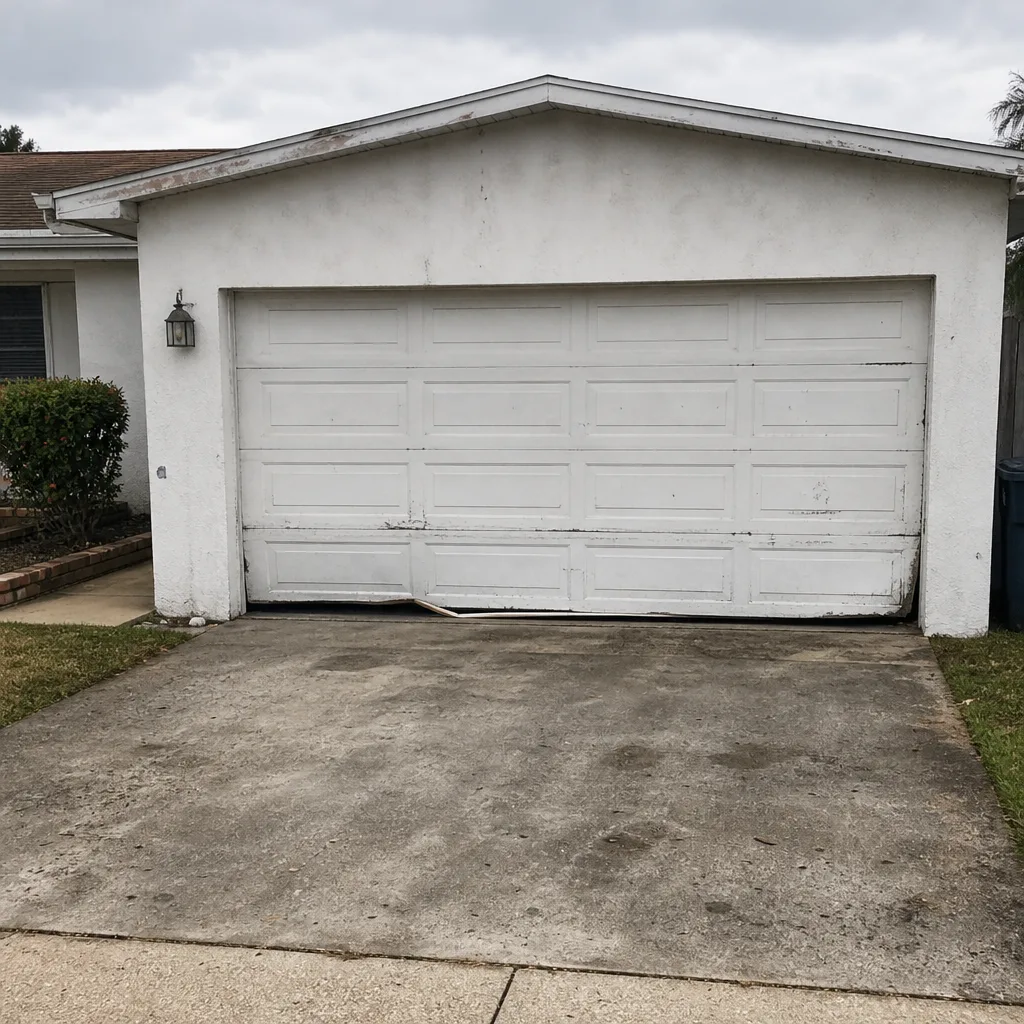 Before
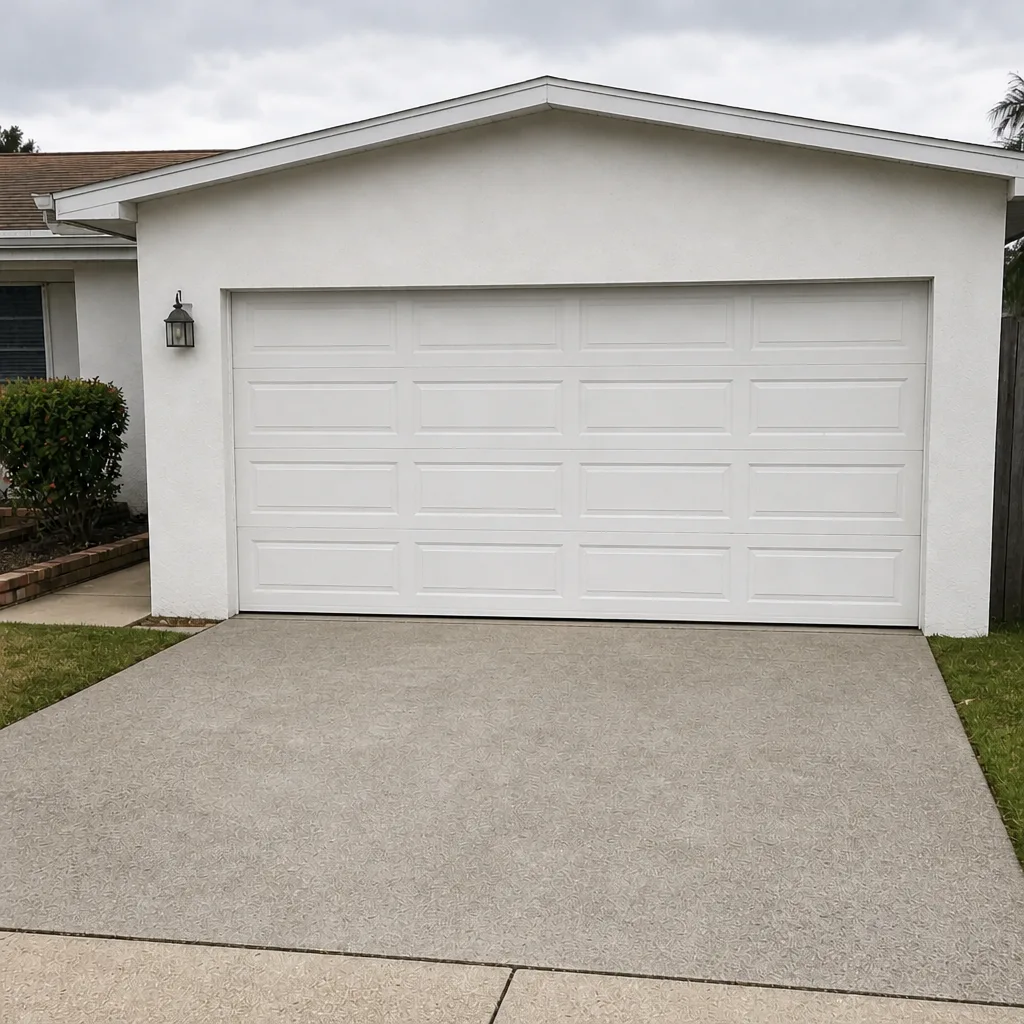 After
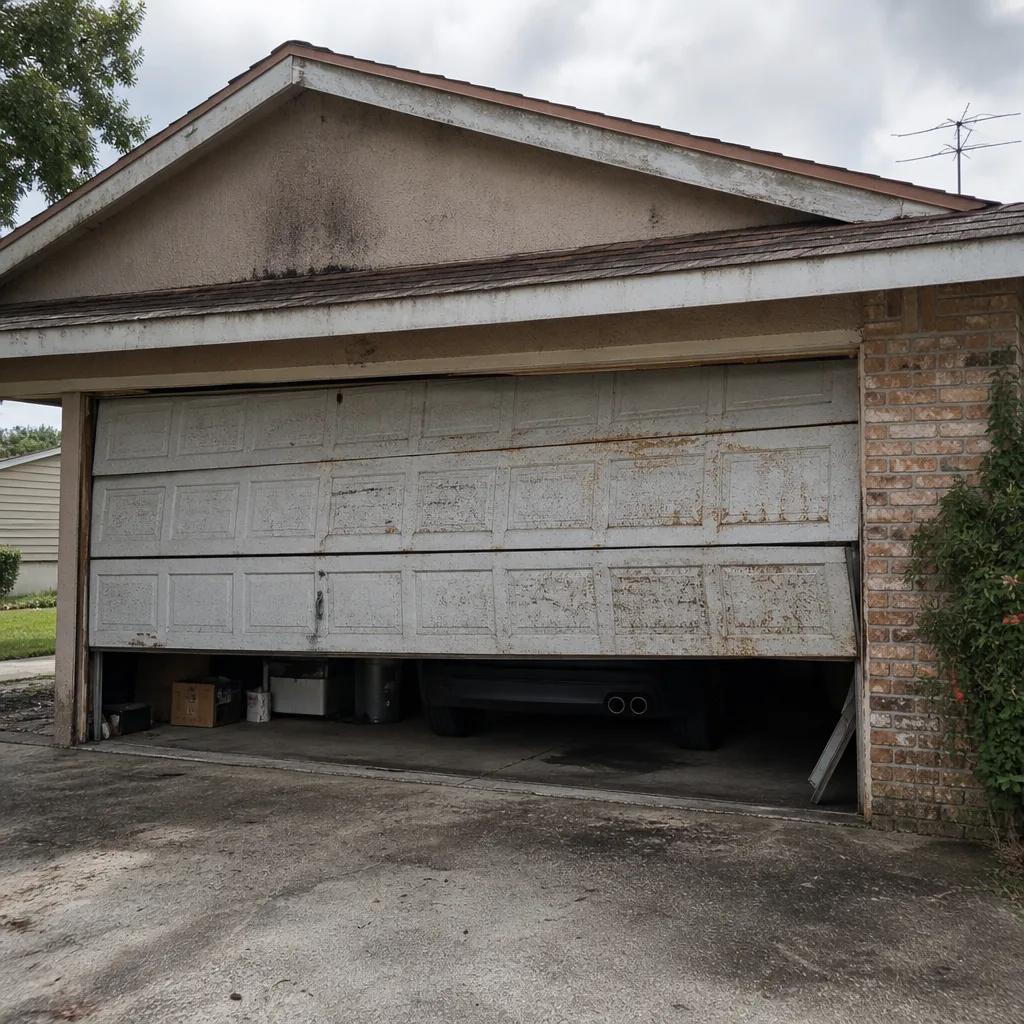 Before
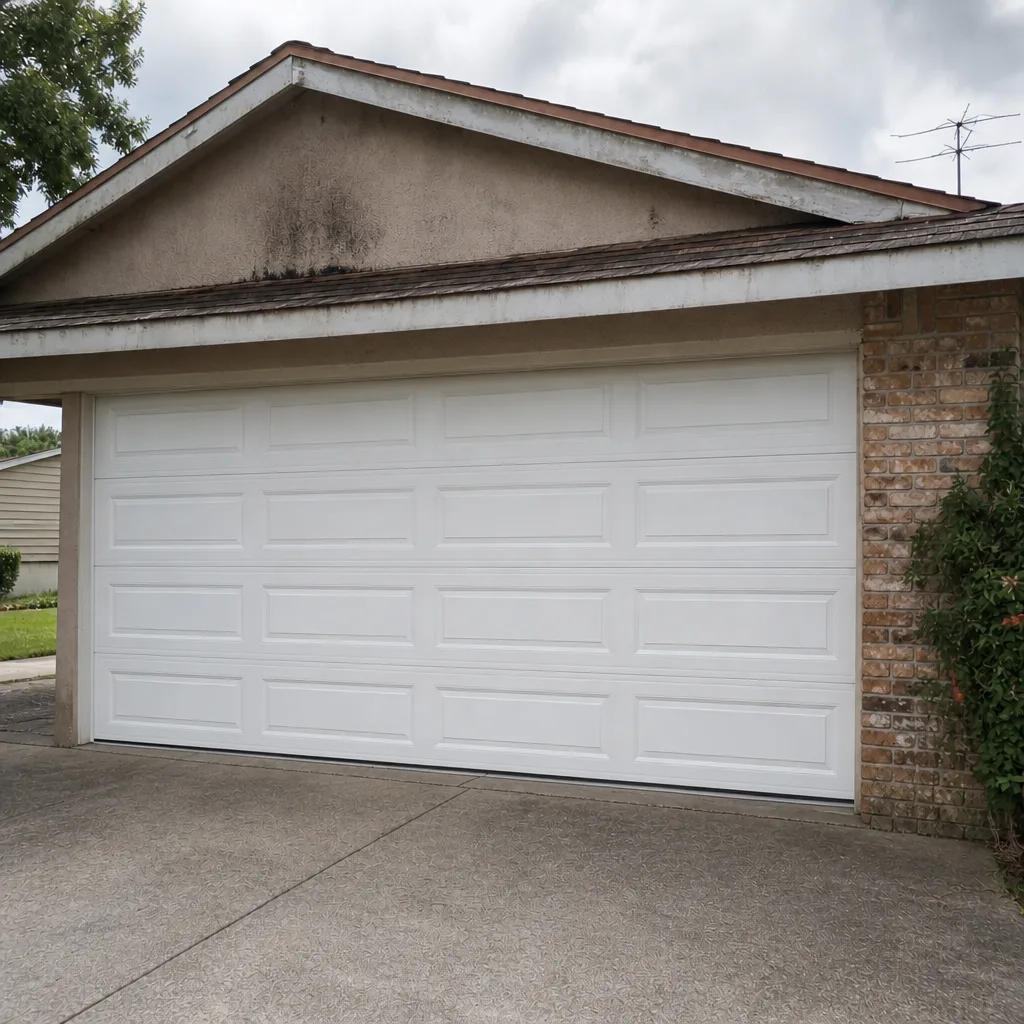 After
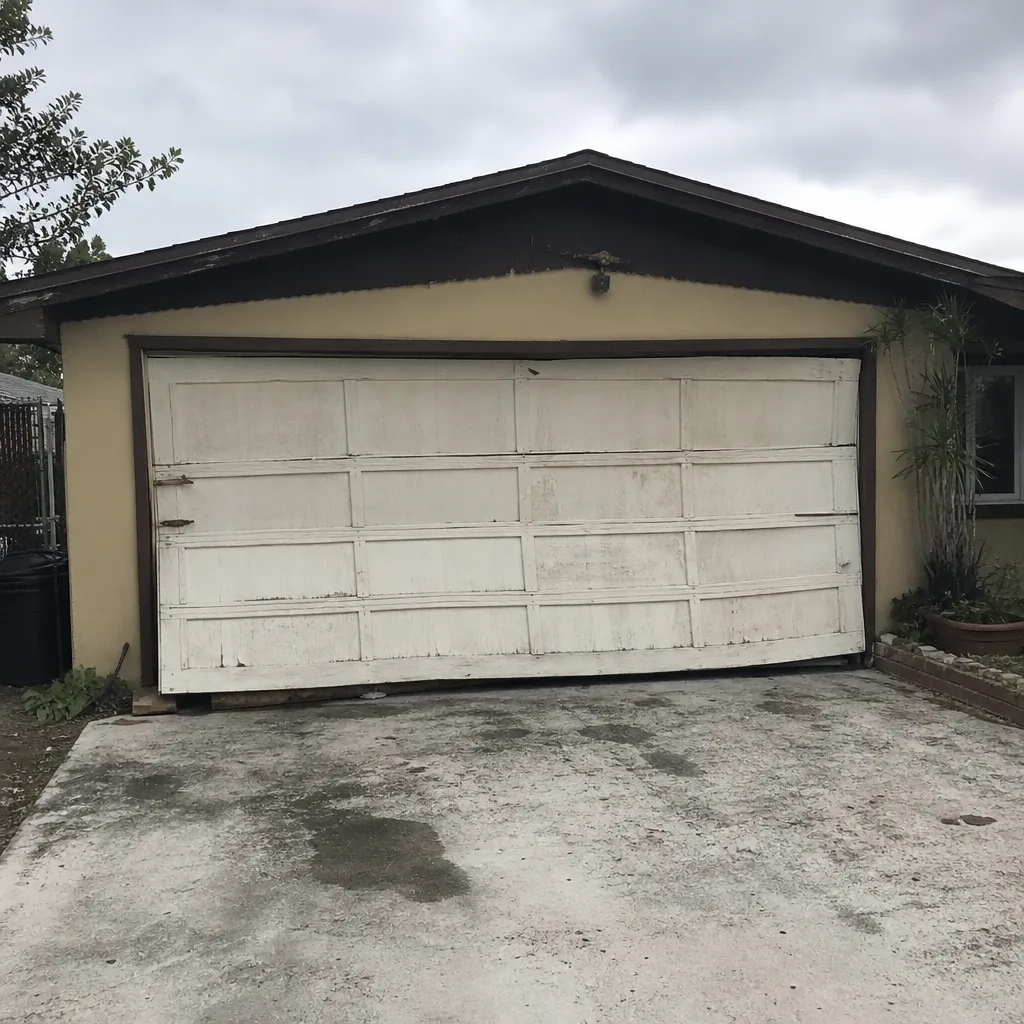 Before
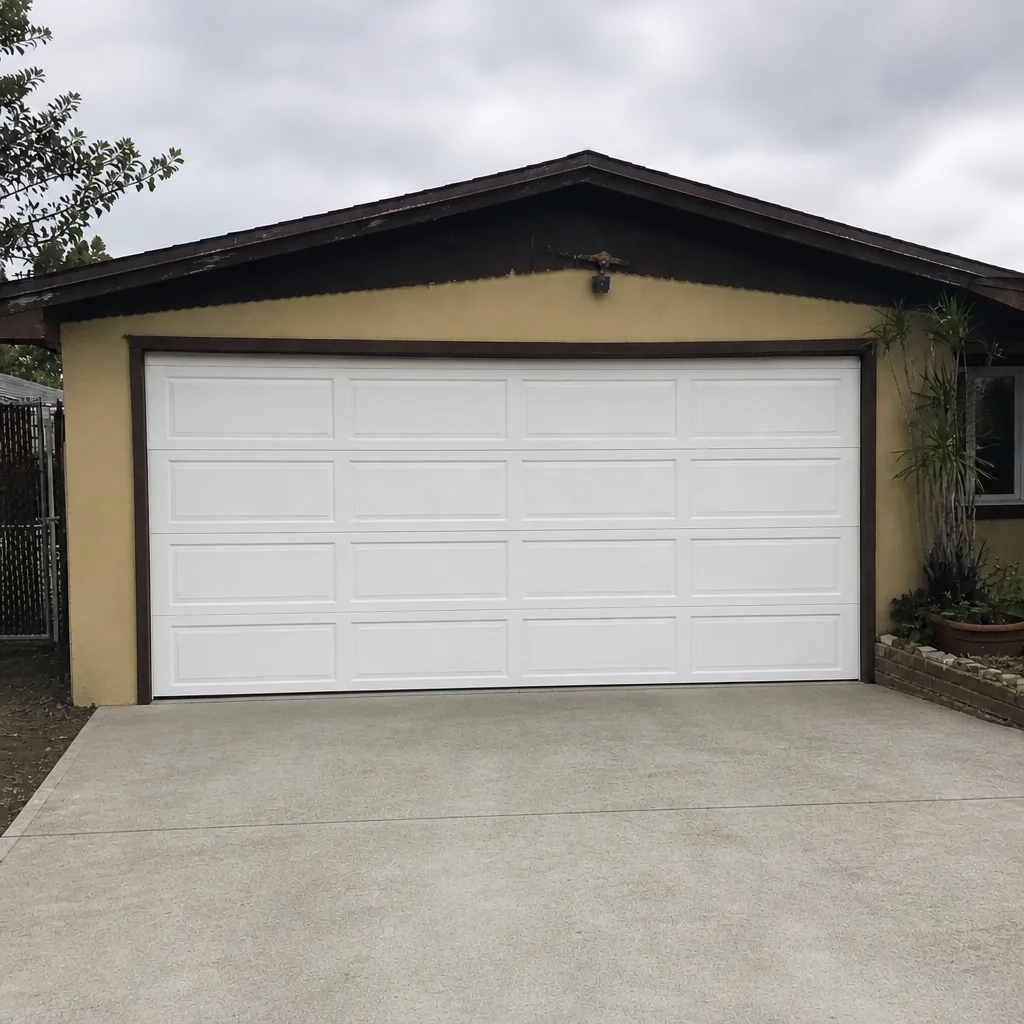 After
When to Call a Professional
Call a professional when the work in front of you involves anything structural. A new door, a panel replacement that changes the model, a bent track that’s pulling the door out of alignment, a snapped torsion spring, or an opener that’s failing under load. These aren’t jobs to attempt from a ladder with a YouTube video playing. Spring repair in particular carries real risk: the stored energy in a torsion spring can cause serious injury in an instant, and a door that’s out of balance can fall without warning.
Call us as well when the permit side of a replacement is unclear. If a contractor told you no permit was needed, if the paperwork seems thin, or if you’re buying or selling a Kendall home and need to know whether the garage door was permitted, that’s a question we can help you think through. Kendall Garage Door Repair Pros offers free estimates in Kendall, and our technicians have up to 12 years of experience diagnosing doors and openers across the major brands. Call (833) 508-9893.
Frequently Asked Questions
Yes, a full garage door replacement generally requires a permit from Miami-Dade County. Repairs, opener swaps, and hardware replacements usually do not. If the door assembly, its attachment, or its wind-load rating is changing, plan on permitting the work. Call (833) 508-9893 for an exact quote on your job; estimates are free.
A Notice of Acceptance is a Miami-Dade County document certifying that a specific garage door product meets local standards for wind performance. Inspectors check it first because if the NOA doesn’t match the door installed, the rest of the inspection can’t proceed. The number is tied to the exact model, not the brand. Call (833) 508-9893 if you need help identifying the NOA on your existing door.
The structural portion of a storm damage claim can be disputed or excluded when the work involved wasn’t permitted, depending on your policy and carrier. A permit and a closed inspection report are the strongest documentation you can hold. We can’t interpret your policy, but we can tell you that permitted work keeps the claim simple. Call (833) 508-9893 to talk through your options.
Timelines through Miami-Dade’s iBuild portal vary with county workload and how complete the application is. A submission with the correct NOA and full product data tends to move faster than one that’s missing information. The county’s building department is the authoritative source for current timelines and fees.
No. We quote the job before any work starts, and the written estimate is the price you pay. The permit and inspection are part of the scope we quote, not a surprise added after the fact. Call (833) 508-9893 for a written estimate.
The local professionals we connect you with are licensed and insured as their state requires, and permitted work is submitted by the licensed contractor of record as Miami-Dade County requires. Our technicians have up to 12 years of experience on the major garage door and opener brands. Call (833) 508-9893 with any questions before booking.
The Bottom Line
Garage door permits in Kendall aren’t a bureaucratic formality; they’re the record that proves the work was done to the county’s wind-load standards. A full replacement generally needs a permit, a repair usually doesn’t, and the dividing line is whether the assembly, its attachment, or its rating changes. The NOA is the number that ties the door on your wall to the county’s approval file, and it’s the first thing an inspector checks. Get the paperwork right before the door goes up. The permit fee is small; the insurance and resale exposure of a skipped permit is not. If you’re planning a replacement in Kendall, start with the permit question.
Contact
Whether you need a door diagnosed, a replacement quoted, or help understanding what your Kendall home requires, we’re ready to help. We handle repair, opener service, spring work, and full installations on LiftMaster, Chamberlain, Genie, Clopay, Amarr, Wayne Dalton, Craftsman, and Raynor systems, and we have emergency garage door service for the situations that can’t wait. Free estimates, upfront pricing, and a written quote agreed before any work starts. Call (833) 508-9893 for a free estimate.
Written by the team at Kendall Garage Door Repair Pros.