Last updated November 23, 2026
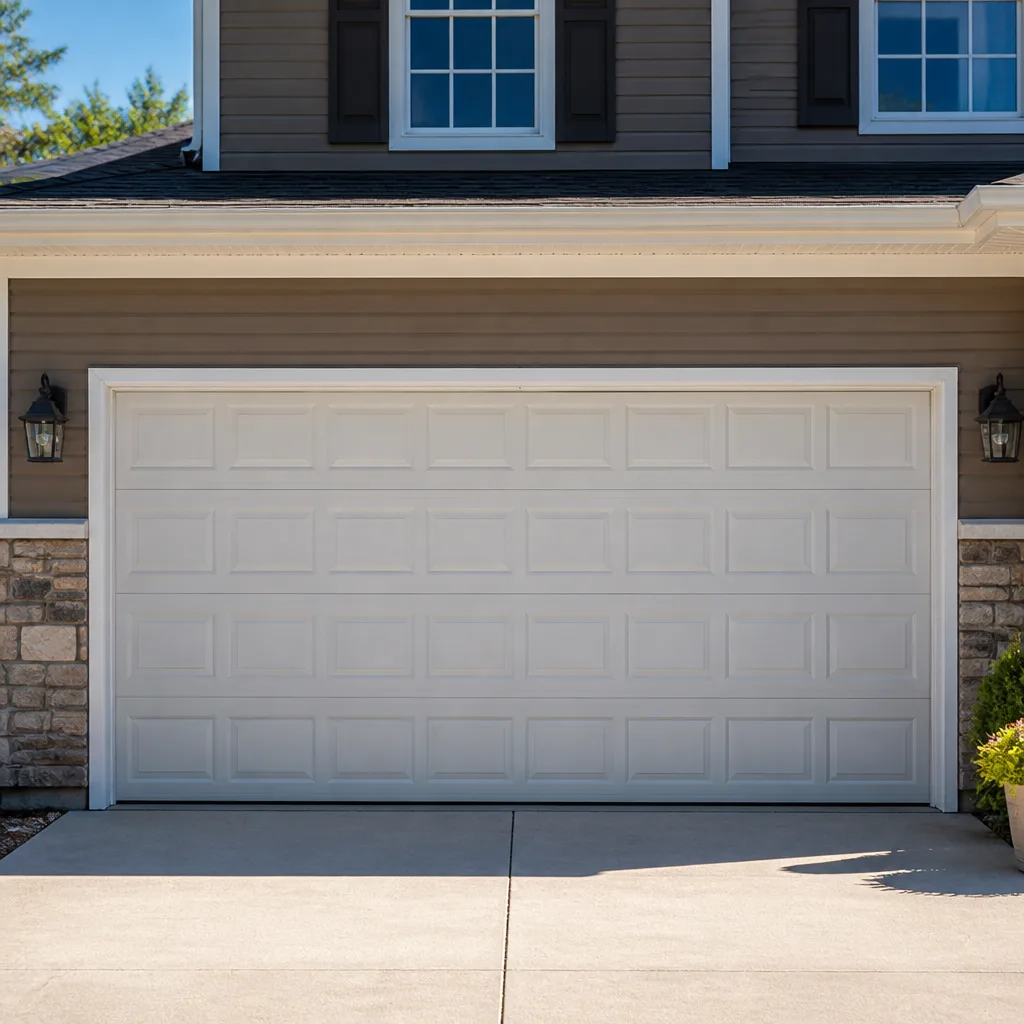 Raised-panel steel
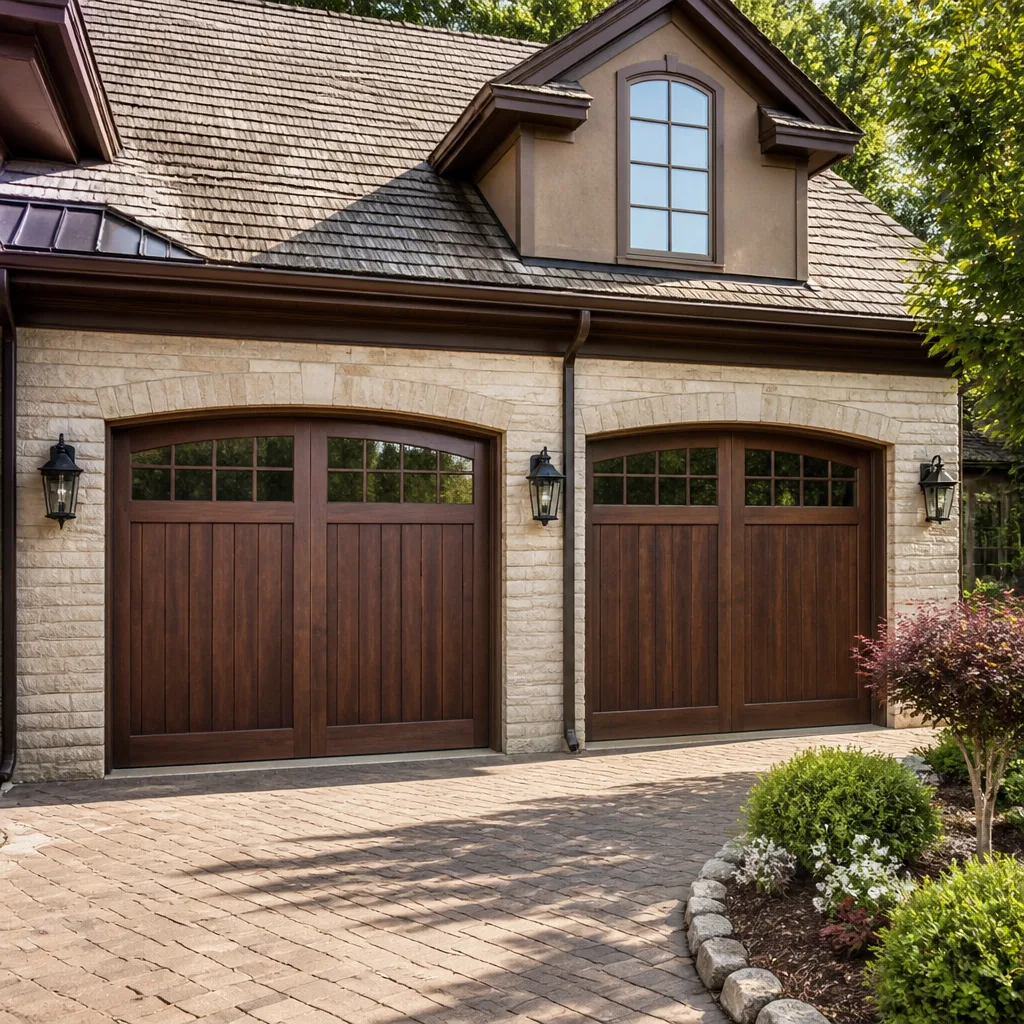 Carriage house
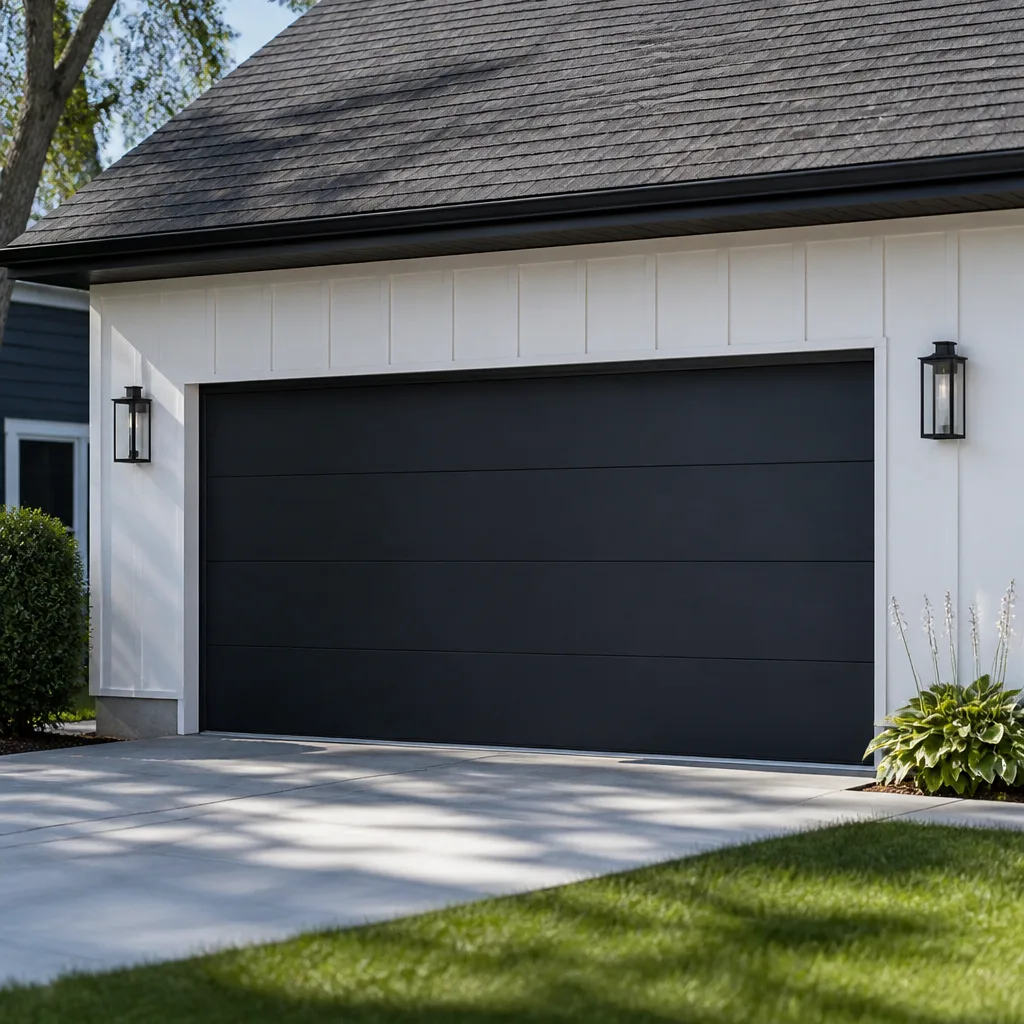 Modern flush
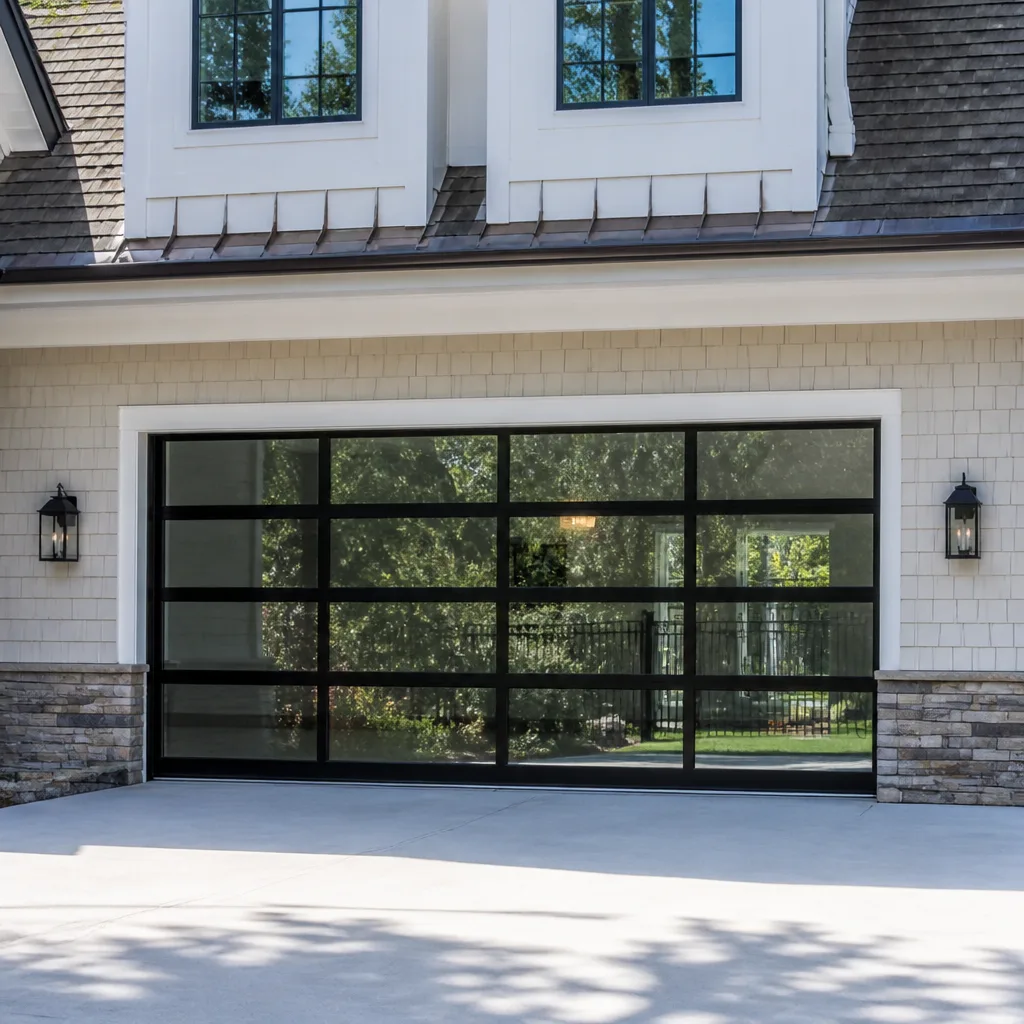 Full-view glass
 LiftMaster openers
 Chamberlain openers
Full 25-point door and opener safety check with every visit - springs, cables, rollers, tracks, and your LiftMaster or Chamberlain opener included
You get a price before we start. It does not change when the pro arrives.
Get your free estimateGarage Door Repair Maintenance Checklist for Kendall Homeowners
The most common cause of a spring that snaps early in South Florida isn’t old age. It’s the wrong lubricant, applied too often, trapping moisture against bare steel in a garage that stays humid most of the year. We see it constantly in Kendall: a door that’s only a few years old, a spring that’s already shot, and a can of spray sitting on the shelf that did the damage. Homeowners mean well, but the parts they’re “protecting” are the ones getting eaten alive. This checklist covers the parts, products, and timing that actually matter here, from corrosion checks to opener diagnostics by brand.
Quick Answer
A garage door maintenance checklist for Kendall should prioritize corrosion inspection before anything else, since humidity attacks hinges, bottom brackets, and the torsion bar faster than dry air elsewhere. Check those three points monthly, lubricate with lithium grease or silicone spray (never WD-40), and run a full spring, cable, and opener diagnostic each quarter. If you find rust pitting, a stretched spring, or a door that won’t reverse on contact, that’s a professional job.
Styles & brands we work with
- Raised-panel steel
- Carriage house
- Modern flush
- Full-view glass
- LiftMaster openers
- Chamberlain openers
Table of Contents
- Why Corrosion Comes First in Kendall
- Monthly Inspection Sequence
- Which Lubricant Goes Where
- Opener Diagnostics by Brand
- Hurricane Season Pre-Check: May 1 Trigger
- Quarterly vs. Annual Task Split
- Safety Rules for Springs and Cables
- Common Mistakes to Avoid
Why Corrosion Comes First in Kendall
Kendall’s climate is mild by winter standards but relentless on metal. The garage sits at the intersection of warm air and trapped humidity, and that moisture settles on unpainted steel surfaces every night when temperatures drop. Springs, hinges, cables, and bottom brackets are the first to show damage because they’re either unpainted or use dissimilar metals where galvanic corrosion kicks off. In dry climates, a spring can last its full rated cycle count. Here, we’ve opened doors where a spring was visibly pitted before half its expected lifespan had run.
The inspection order matters because it saves time and catches failure before it happens:
- Hinges – look at the pin and the knuckle for rust streaks or a white powder film (zinc oxidation). That film means the hinge is already wearing.
- Bottom brackets – the bracket at the base of each vertical track takes splashing and ground moisture. Rust here is common and often overlooked.
- Torsion bar – run a gloved hand along the shaft. Feel for pitting or roughness. A pitted torsion bar can bind and stress the springs.
- Rollers – check the bearing housing for rust and whether the roller spins freely.
- Tracks – inspect the screw holes and mounting plates for corrosion where metal meets metal.
This sequence takes five minutes. It’s also the difference between replacing a $4 hinge and a $300 spring-and-cable job. For homeowners in Kendall who want a professional set of eyes on the corrosion picture, our garage door repair team can evaluate the full system in a single visit.
Monthly Inspection Sequence
A monthly walkthrough catches problems before they compound, and it doesn’t require tools beyond a cloth and a little patience. Do this the same day each month so it becomes a habit. Walk the door through its full cycle first, then inspect:
- Door balance test – disconnect the opener, lift the door halfway, and let go. It should stay put. A door that drifts down means the springs are losing tension.
- Visual spring check – look at both torsion springs (the coiled ones on the bar above the door) or extension springs (along the horizontal tracks). Look for gaps in the coil, a visible stretch, or rust at the ends. This is a look-only task.
- Cable check – cables should be taut and seated in the drums at each end of the torsion bar. Frays or slack are red flags.
- Roller and hinge play – grab each roller and hinge with a gloved hand. Anything that wobbles more than a hair needs replacement.
- Weather strip and bottom seal – press the bottom seal against the floor. Any gap larger than a pencil width invites in rain, insects, and humidity that worsens corrosion.
- Safety reverse test – place a roll of paper towels under the center of the door and close it. The door must reverse on contact. If it doesn’t, stop using the door until it’s fixed.
Our technicians have up to 12 years of experience diagnosing exactly these fail points, and the pattern is consistent: doors that get a monthly walkthrough rarely surprise their owners with a sudden failure. Doors that don’t get one usually do.
Which Lubricant Goes Where
This is where most home maintenance advice goes wrong. “Lubricate moving parts” is a sentence that leads directly to a can of WD-40 and a spring that fails early. WD-40 is a solvent and a light penetrating oil, not a lubricant for garage door hardware. It removes the protective coating on bare steel and leaves a thin film that collects dust and holds moisture against the metal. In Kendall’s humidity, that’s the worst combination you can create.
Here’s the correct lubricant by component:
- Hinges and rollers – white lithium grease. Apply a small dab at each hinge joint and a light coat on the roller bearings. Wipe off excess; a thick layer collects grit.
- Torsion springs – silicone spray, applied sparingly once or twice a year. Not grease. Grease on a torsion spring traps moisture in the coil gaps and accelerates rust.
- Torsion bar – a light silicone spray along the shaft, then wipe. Enough to slow surface corrosion, not enough to attract dust.
- Tracks – nothing. Tracks run dry. Lubricant in the tracks attracts dirt and causes binding. Clean them with a dry cloth if they collect debris.
- Bottom brackets – a small dab of lithium grease at the moving point, then wipe clean. Inspect these every time you lubricate; they’re a top corrosion point in Kendall.
- Opener rail and chain – chain-drive openers use lithium grease on the chain. Belt-drive openers typically need nothing on the belt itself.
- Weather seals – silicone spray keeps rubber pliable and slows cracking.
One application a year is usually enough for hinges and bottom brackets, and no more than twice a year for springs. More is not better with grease. The pattern we see in Kendall homes is over-application followed by dust and moisture buildup, which creates the exact condition the homeowner was trying to prevent. If you’d rather a professional handle the inspection and lubrication, our garage door spring repair specialists check the full spring assembly while they’re there.
Opener Diagnostics by Brand
Openers have brand-specific failure points, and knowing your unit’s model matters more than knowing “it’s an opener.” We work on eight major brands routinely, and here’s what we look for by name:
LiftMaster and Chamberlain
These two share a platform, so the diagnostics overlap. Check the force settings first. A door that reverses for no reason or stops partway through often has a force setting that’s too high or too low, especially after a spring loses tension. Next, test the safety sensors by waving an object in front of each eye; a blinking LED on the sending unit means an alignment or wiring issue. For Chamberlain and LiftMaster models with WiFi, test the app connection separately from the remote. If the remote works but the app doesn’t, the WiFi module is the problem, not the door.
Genie
Genie openers use limit switches to set open and close travel, and they drift. If the door doesn’t close all the way or opens too far, the limit switch is the first suspect, not the remote or the sensors. Check the up and down limit screws on the side of the head unit and adjust in small increments. Genie models with a battery backup need that battery tested annually; a dead backup battery can affect the unit’s operation in ways homeowners don’t expect.
Craftsman
Craftsman openers share design DNA with Chamberlain units from certain production periods, but parts aren’t always interchangeable. Check the model number on the back of the head unit before ordering a remote or gear kit. The plastic drive gear in some Craftsman models wears down over time; a grinding noise during operation usually points there.
Wayne Dalton, Amarr, and Raynor
These brands appear more often on the door side than the opener side, but Wayne Dalton’s iDrive and related systems have their own troubleshooting quirks. Raynor’s opener line pairs with specific door weights, and if the springs have been replaced with a different tension rating, the opener may struggle. Amarr doors typically pair with third-party openers, so the brand diagnosis is about the door balance and hinge condition, not the motor.
When a door or opener needs a professional diagnosis, our garage door opener repair service covers all eight brands by name. That means the technician arrives knowing the model’s failure pattern, not guessing at it.
Hurricane Season Pre-Check: May 1 Trigger
Hurricane season starts June 1, but in Kendall the smart move is a May 1 pre-check, before the first storm threat shows up on the forecast. Cleanup and repairs always stack up in the days before a named storm, and a garage door that won’t close properly is the last thing you want to deal with under a watch. The pre-check covers three areas:
- Bottom seal integrity – run your hand along the seal where it meets the floor. Cracks, tears, or a loose seal let water in during heavy rain. Replace the seal before June, not after the first flood.
- Track alignment – check that each vertical and horizontal track is straight and the door travels smoothly without wobble. Wind loading on a misaligned door stresses every hinge and roller.
- Emergency release cord – locate it, test it, and clear the path to it. In a power outage, you need to be able to disengage the door from the opener and lift it by hand. Make sure nobody has piled boxes against it.
- Door balance under load – re-run the balance test. A door that won’t hold position in May is a door that may not open manually in an emergency.
- Spring inspection – springs lose tension gradually and often fail at the worst moment. A pre-season check catches the ones already running low.
This isn’t a hurricane-proofing service. It’s a functional check to make sure the door does what it’s supposed to do when weather turns ugly. If anything on the list needs repair, do it in the spring rather than scrambling in June.
Quarterly vs. Annual Task Split
The clearest way to work this checklist is to split tasks into what you can handle and what needs a technician, then put them on a calendar. Here’s the split we recommend for Kendall homeowners:
What You Can Do (Quarterly)
- Run the balance test and the safety reverse test
- Inspect hinges, bottom brackets, and the torsion bar for new corrosion
- Wipe tracks clean with a dry cloth
- Test the emergency release cord and clear its path
- Check the bottom seal for gaps and cracks
- Wipe springs with silicone spray once a year (not quarterly)
What Needs a Technician (Annual or As Needed)
- Spring tension check and replacement when needed. Torsion springs are under extreme tension and are dangerous to adjust without the right tools and training.
- Cable inspection and replacement. Cables are under tension too, and a snapped cable can whip with serious force.
- Roller and hinge replacement in batches. Small parts are cheap, but replacing them correctly requires checking door balance afterward.
- Opener force setting calibration and limit switch adjustment
- Full system balance and alignment after any part replacement
- Complete pre-hurricane season inspection in late April or early May
The pattern that works: you do the monthly visual walkthrough and quarterly functional tests, and a professional handles springs, cables, and opener calibration once a year. For a full lifecycle view of what professional service covers, see Kendall Garage Door Repair Pros.
Safety Rules for Springs and Cables
Torsion springs are under constant tension that can exceed several hundred pounds. When one breaks, it doesn’t fail quietly; it releases that stored energy in an instant. This is why spring and cable work is professional territory, full stop. If you find a broken spring, do not try to open the door manually to get your car out. Do not try to “help” the opener by lifting. Do not run a wrench on the torsion bar to “just tighten it.” All three mistakes send people to the emergency room every year, and a homeowner who’s never handled a torsion bar has no way to know how much stored energy is in the assembly.
The same caution applies to cables and bottom brackets. A snapped cable is under tension and can whip unpredictably. Bottom brackets hold the cable end and are the anchor point for that tension. Even something as simple as replacing a bottom bracket requires relieving cable tension first, which means a professional job.
On the electrical side, any work inside the opener head unit or on the safety sensor wiring should be done with the circuit breaker off. If you’re not comfortable identifying which breaker controls the garage circuit, leave it to a technician. Garage door openers are low-voltage on the control side but the motor circuit is standard household voltage, and mixing the two up is a real hazard.
For anything on this safety list, call a professional. Our spring repair work is one of the most frequently requested services here in Kendall, and the reason is simple: it’s dangerous, it happens, and doing it wrong makes it worse.
How Much Does Garage Door Maintenance Cost in Kendall?
A professional maintenance visit in Kendall typically runs $89-$149 for a full inspection, lubrication, and adjustment, and spring replacement when needed usually falls in the $180-$340 range per spring. A matched pair costs about twice that. Opener repair depends on the failure, running $120-$280 for most common fixes, and full door replacement starts higher depending on the brand, size, and material you choose.
- Maintenance inspection and lubrication – $89-$149
- Single torsion spring replacement – $180-$340 (one spring; a pair is about twice)
- Extension spring replacement – $150-$280 (one spring; a pair is about twice)
- Opener repair (common failures) – $120-$280
- Roller replacement (set) – $60-$120
- Bottom seal replacement – $90-$180
- Cable replacement (pair) – $180-$320
These are estimated ranges, not exact quotes. The written estimate you receive before any work begins sets the final price, and we don’t start a job until you’ve approved it. If you’re comparing local providers, ask each one to put the estimate in writing before they touch the door. Call (833) 508-9893 for a free estimate.
See the difference
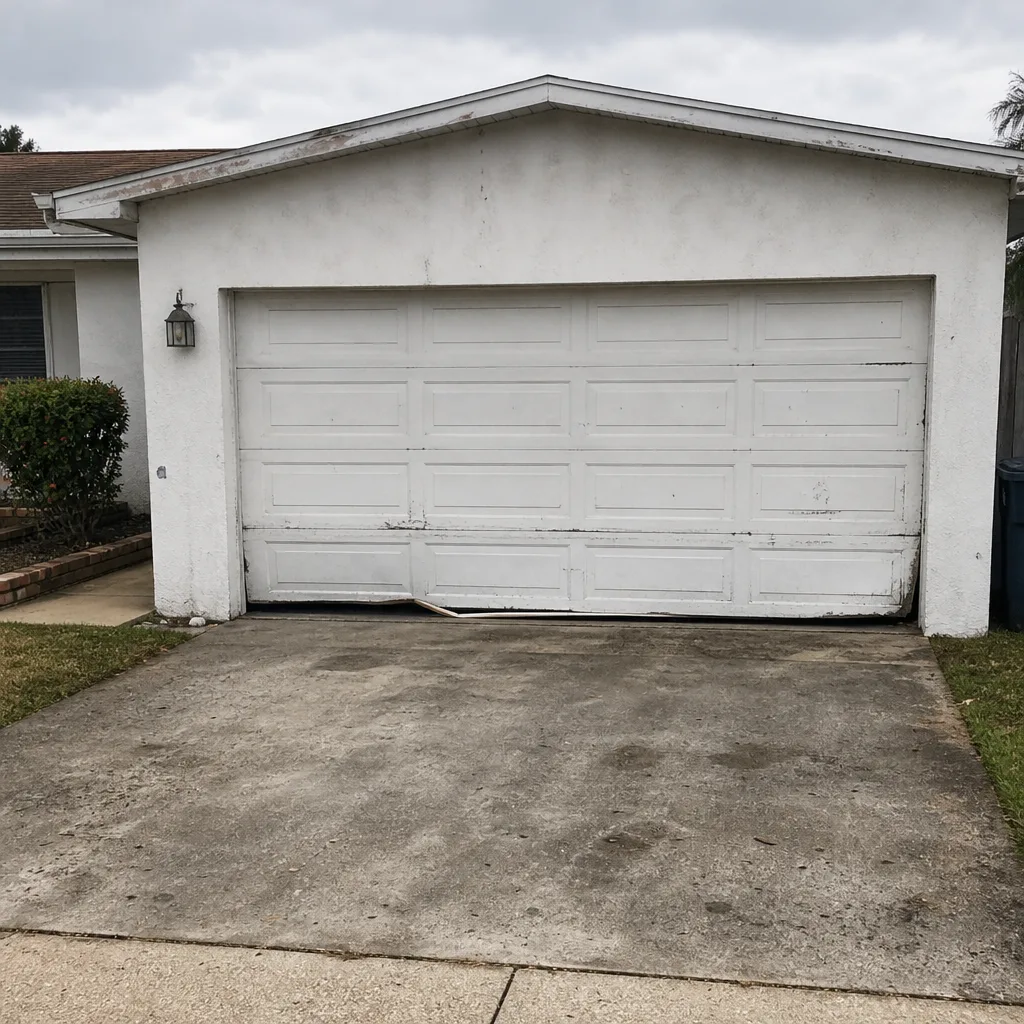 Before
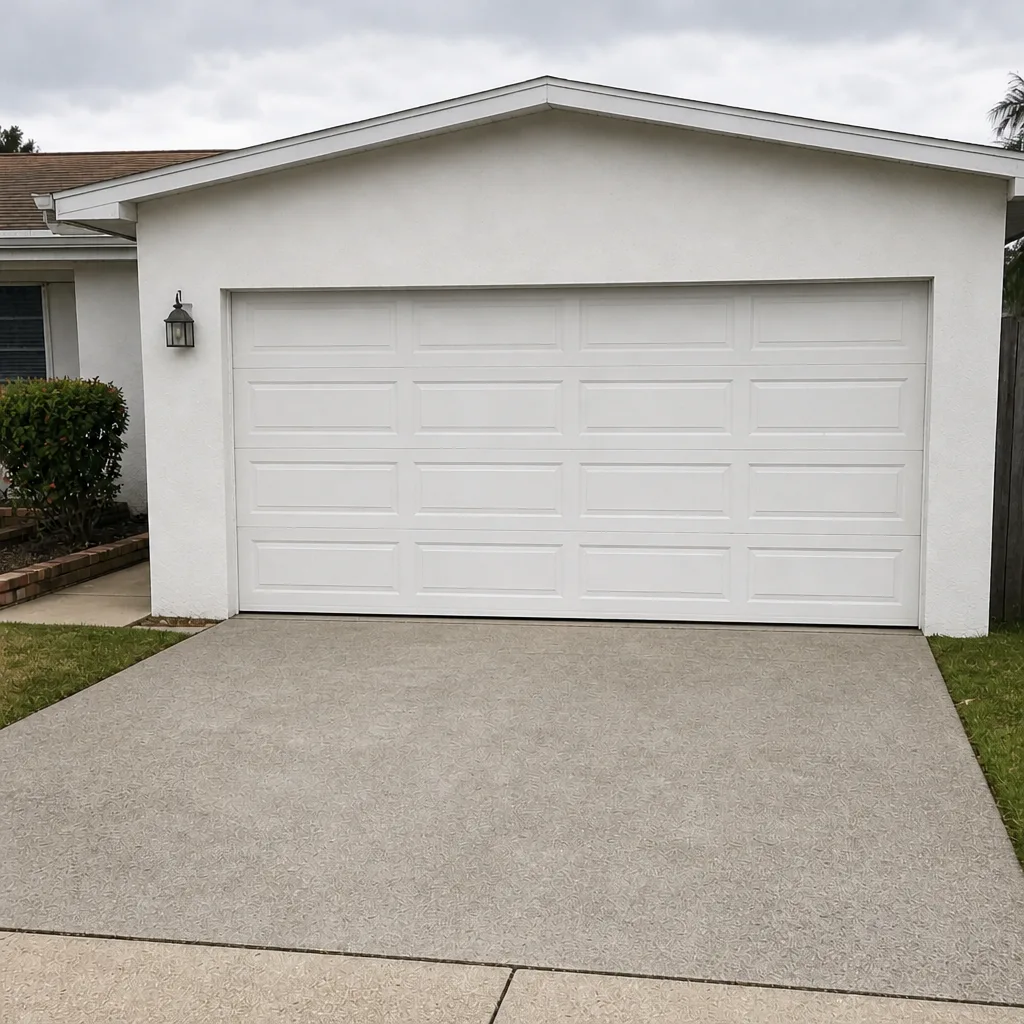 After
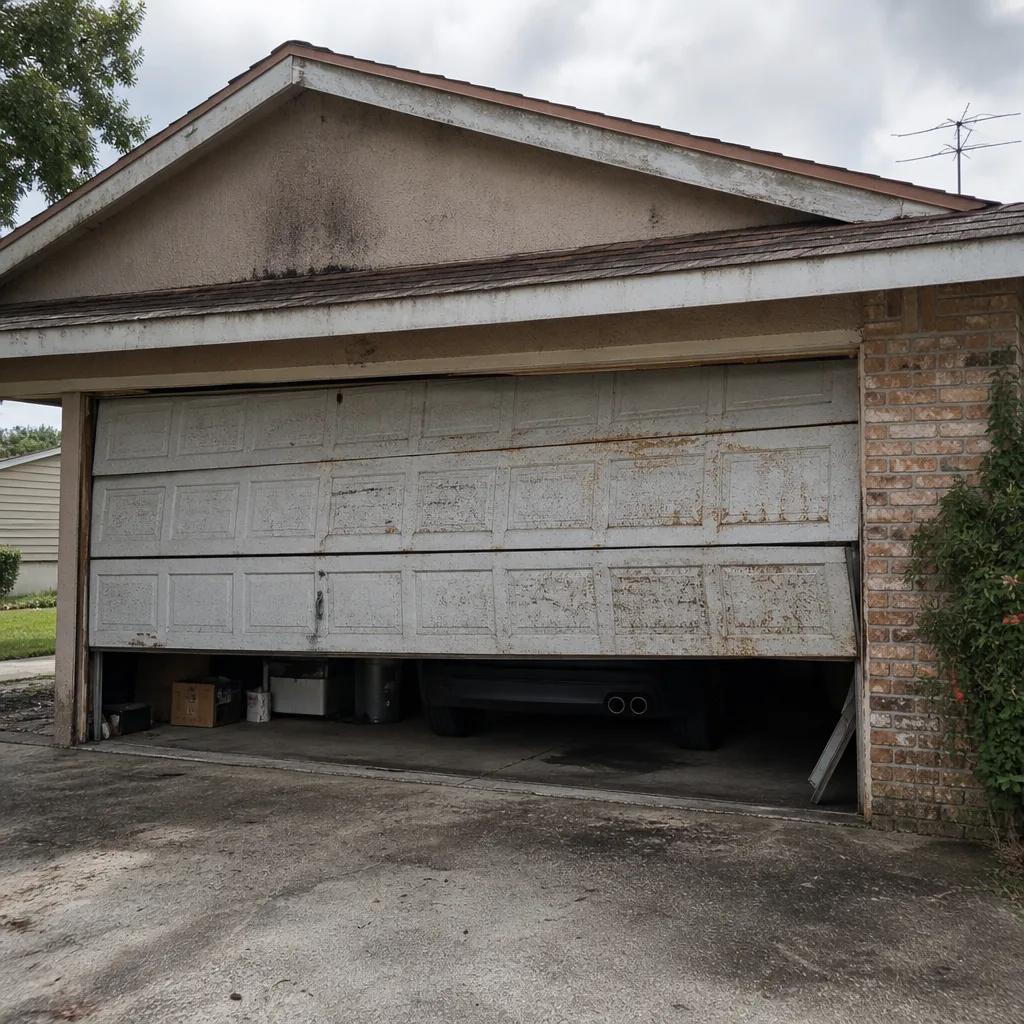 Before
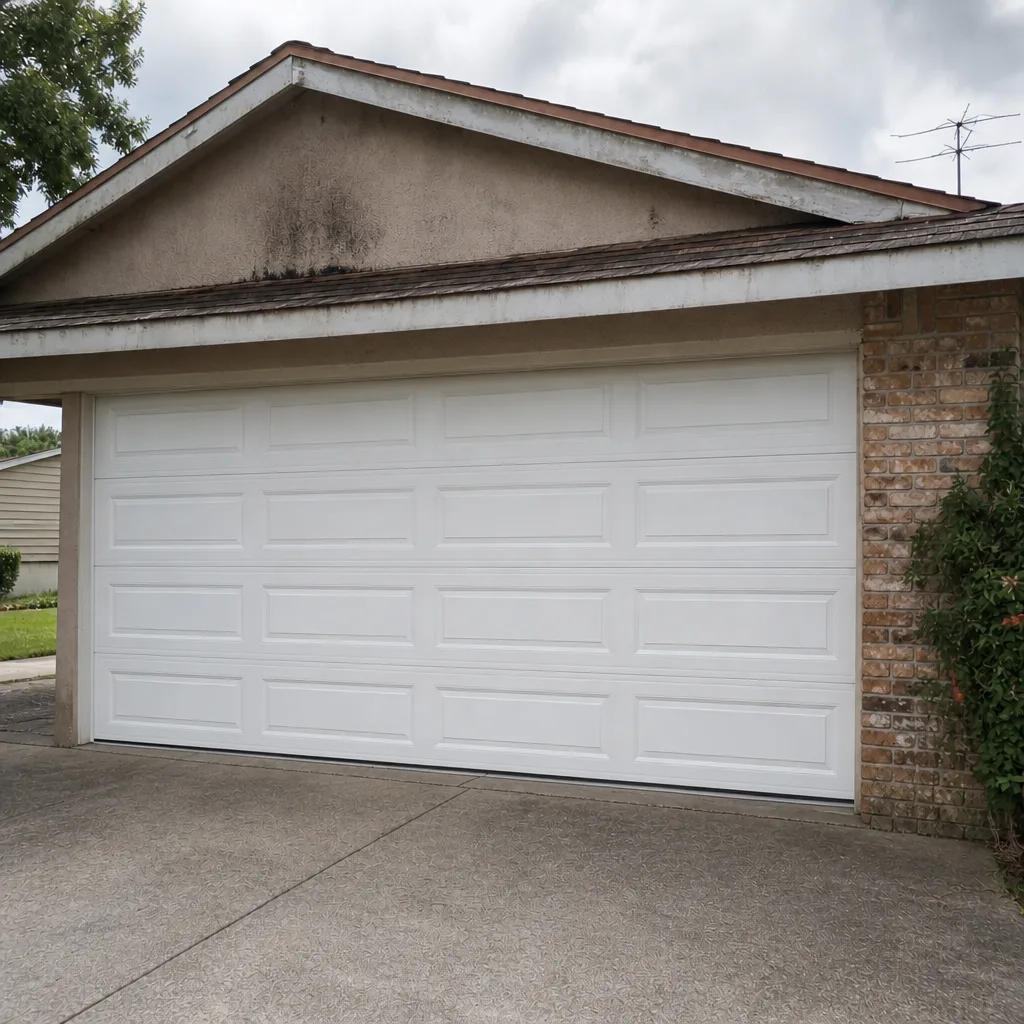 After
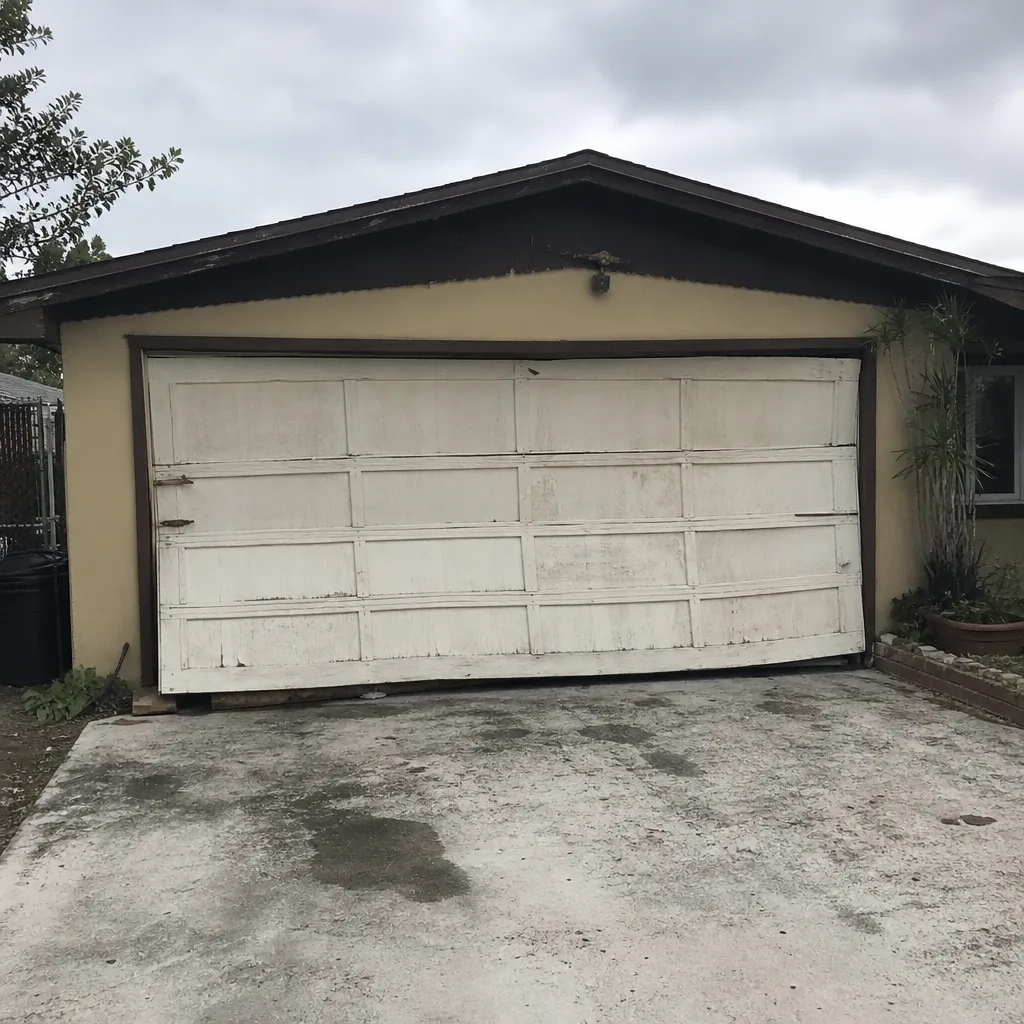 Before
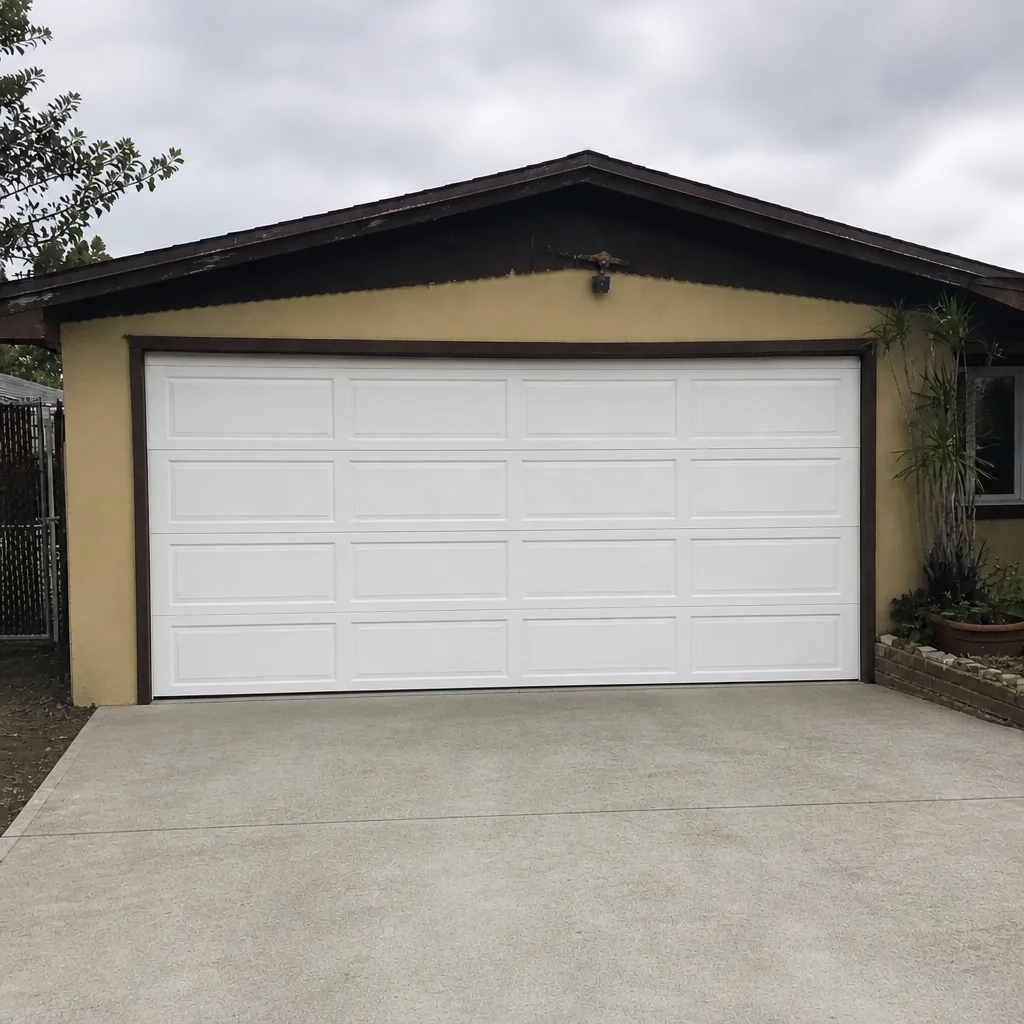 After
Common Mistakes to Avoid
- Using WD-40 on springs or hinges. It’s a solvent, not a lubricant, and in Kendall’s humidity it strips the protective coating and leaves bare steel exposed to moisture. Use lithium grease on hinges and silicone spray on springs.
- Over-lubricating. More grease is not better. Excess collects dust from the garage floor and holds moisture against the metal, which is the exact condition you’re trying to avoid.
- Lubricating the tracks. Tracks run dry. Grease in the tracks causes the door to bind and slows the opener, and it’s one of the most common mistakes we see in Kendall homes.
- Ignoring bottom brackets during inspection. They’re the point where water and ground moisture collect, and they’re the first thing to rust. Homeowners check springs and skip brackets, then wonder why the cable started to fail.
- Forcing a door with a broken spring. It will not work, and the opener will burn out trying to lift a door it isn’t powerful enough to lift. Stop using the door and call a professional.
- Skipping the safety reverse test. A door that closes on an object without reversing is a serious hazard for kids and pets. Test it monthly and fix any failure before using the door again.
- Assuming “it’s a new door” means no maintenance. New doors in a humid climate corrode just as fast as old ones. The brand doesn’t protect against humidity; the maintenance does.
- Putting off the May pre-check. Hurricane season in Kendall doesn’t wait, and neither should the maintenance. A failed door on the eve of a storm is a scramble.
When to Call a Professional
Call a professional when you find a broken or stretched spring, a frayed or slack cable, or a door that won’t stay in position on the balance test. Also call if the safety reverse test fails, if the door comes off the tracks, if the opener struggles or makes grinding noises, or if you find rust pitting on the torsion bar. Those are all signs that the system needs more than lubrication and a visual check. Kendall Garage Door Repair Pros offers free estimates in Kendall, and our technicians have up to 12 years of experience working on LiftMaster, Chamberlain, Genie, Clopay, Amarr, Wayne Dalton, Craftsman, and Raynor systems specifically. When it won’t open and can’t wait, we offer emergency garage door service. Call (833) 508-9893.
Frequently Asked Questions
Once a year is enough for hinges, bottom brackets, and rollers with lithium grease, and once or twice a year for springs with silicone spray. The mistake to avoid is applying more often in response to humidity; over-lubricating traps moisture and dust against the metal, which worsens corrosion. Clean the parts before you lubricate, and wipe off any excess.
Silicone spray is the right choice for torsion and extension springs, applied sparingly once or twice a year. Do not use WD-40, which is a solvent and not a proper lubricant. Do not use grease on springs either; grease traps moisture in the coil gaps and accelerates rust in a humid garage. Silicone spray slows surface corrosion without the moisture problem.
No. Torsion springs, and often extension springs, are under enough stored tension to cause serious injury when they fail or when tension is released incorrectly. Replacing one requires specific winding tools and training, and the danger is genuine. Call a professional. Our garage door spring repair team handles this routinely. Call (833) 508-9893 for a free estimate.
A door that reverses for no reason usually has a force setting that’s too high, a safety sensor that’s misaligned, or a spring that’s losing tension. Start by checking the sensor eyes for obstructions and a blinking LED; if the sensors are clear, test the door’s balance. If it drifts on the balance test, the springs are the issue. If the balance is fine, the opener force setting needs adjustment, which varies by brand.
Check the bottom seal for cracks and gaps, verify that the tracks are straight and the door travels without wobble, test the emergency release cord, and re-run the balance test. Do this by May 1 so there’s time to schedule any repairs before the first storm threat. If the door fails any of these checks, call a professional rather than waiting until June.
A professional maintenance inspection in Kendall typically runs $89-$149 for a full check, lubrication, and adjustment. Spring replacement, if needed, adds $180-$340 per spring, and a matched pair is roughly twice that. The written estimate you receive before any work starts sets the final price. Call (833) 508-9893 for a free estimate.
Yes, and it’s the most underrated factor in premature failure here. The garage traps warm, moist air, and moisture settles on unpainted steel overnight. Hinges, bottom brackets, and the torsion bar corrode first. That’s why this checklist puts corrosion inspection before spring and opener checks, and why it recommends against lubricants like WD-40 that strip the protective coating.
We work on LiftMaster, Chamberlain, Genie, Clopay, Amarr, Wayne Dalton, Craftsman, and Raynor systems. Knowing the specific quirks of your brand and model means the technician diagnoses the right part the first time. For issues specific to your opener, our garage door opener repair team knows the force settings, limit switches, and WiFi modules for each brand.
The Bottom Line
A garage door maintenance checklist for Kendall has to start with corrosion, not springs. The humidity here does more damage to hinges, bottom brackets, and the torsion bar than dry air anywhere else, and the wrong lubricant makes it worse. Do the monthly visual walkthrough, test balance and safety reverse quarterly, and call a professional for anything involving springs, cables, bottom brackets, or opener calibration. The May 1 hurricane pre-check is a real appointment, not a formality. Keep the right lubricants on hand, skip the WD-40, and let a technician handle the high-risk parts once a year. If you’d rather a professional handle the checklist, Kendall Garage Door Repair Pros offers free estimates in Kendall, and our spring, opener, and repair work covers every brand we’ve named here. Call (833) 508-9893 for a free estimate.
Written by the team at Kendall Garage Door Repair Pros.